
How Income Shapes the Way India Buys Homes
Summary
India's housing market is highly stratified by income, creating distinct buying patterns. Budget buyers face shrinking supply and high EMIs, while the mid-income segment sees strong demand and new launches. Luxury homes dominate transaction values, reflecting diverse priorities across the spectrum.

Introduction
Walk into a property fair in any Indian city today and you will notice something striking. The buyers sitting at different stalls are not just looking at different price tags. They are looking for entirely different versions of what a home should mean. A family from Kanpur saving up for their first flat has almost nothing in common with an IT professional in Bengaluru hunting for a third bedroom with a home office. And neither of them thinks the way a senior executive buying a penthouse in Gurugram does.
Housing preferences across income groups in India have always been layered, but in 2026, the gaps between those layers have widened sharply. Understanding them is not just useful for developers. It matters for buyers trying to make sense of which direction the market is actually moving.
What Budget Buyers Are Really Looking For
Let us start at the base of the pyramid, because that is where the real pressure lives. Affordable housing India has been shrinking as a share of total launches at a pace that should alarm anyone watching urban development. In the second quarter of 2026, homes priced below Rs 40 lakh accounted for just 6 percent of fresh launches across major cities. Compare that to nearly 52 percent in 2018, and the picture becomes uncomfortable very quickly.
The buyers in this segment are not chasing lifestyle. They want legal ownership, a reasonable commute to work, and a home loan that does not push their monthly EMI beyond half their take-home salary. EMI-to-income ratios for this group have climbed close to 60 percent in some metro markets, which is dangerously high for a household with limited financial cushion. PMAY subsidies and government housing schemes continue to be their primary lifeline, but supply has not kept pace with aspiration.
The Middle Band: Where the Real Action Is
The segment that is drawing the most attention from developers and analysts right now sits between Rs 80 lakh and Rs 1.5 crore. This is where mid income housing demand India is finding its footing in 2026, as earning potential has climbed among salaried professionals in IT, healthcare, and financial services.
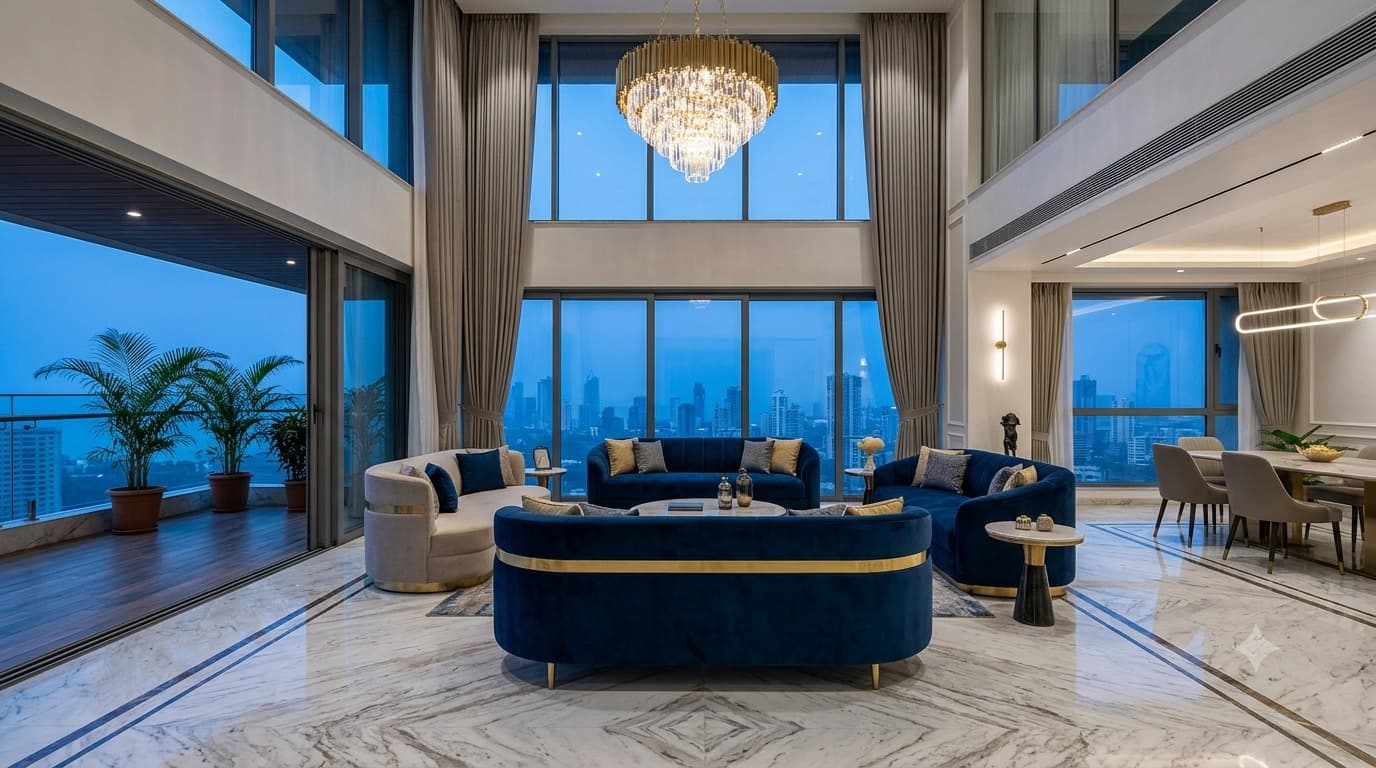
Mid segment housing buyers want more than four walls. A second bathroom, a proper kitchen, a covered parking bay, and a society with basic security are non-negotiable. Many of them are also first-time homebuyers in their early thirties, carrying the psychological weight of a generation that watched rents rise year after year during their twenties. Buying is no longer just a financial decision for them. It has become an identity decision.
Developers have noticed. Fresh supply in this bracket grew meaningfully in 2025, with average 3 BHK prices approaching Rs 2.1 crore at the all-India level, reflecting how the mid segment's ceiling has been rising.
Premium and Luxury: Aspiration at Full Volume
At the top end, the story is almost the opposite. Luxury homes India accounted for more than half of all residential sales by value across India's eight major cities in the first six months of 2026. Over 800 ultra-premium homes above Rs 10 crore each sold in FY26, generating transaction values crossing Rs 11,000 crore.
These buyers are not worried about EMIs. They are weighing lifestyle location against capital safety. Smart home technology, private terraces, proximity to top schools, and the brand name of the developer matter far more than carpet area calculations. Post-pandemic, the definition of premium has also expanded beyond Mumbai and Delhi to Hyderabad and Bengaluru, where luxury pricing remains softer and lifestyle infrastructure has matured considerably.
Why the Gap Between Groups Is Growing
The divergence in housing preferences across income groups is not accidental. It reflects a structural reality. Land costs in many metros now eat up 60 percent or more of total project costs. When developers have to choose between a Rs 35 lakh home and a Rs 1.5 crore apartment, the math pushes them upward almost every time. Affordable projects operate under thin margins. Premium projects offer breathing room.
The result is a market that is getting more valuable at the top while quietly running out of options at the bottom. Transaction values crossed Rs 6 lakh crore across top cities in 2025, even as unit sales fell by roughly 14 percent year on year. More money moving, fewer homes sold.
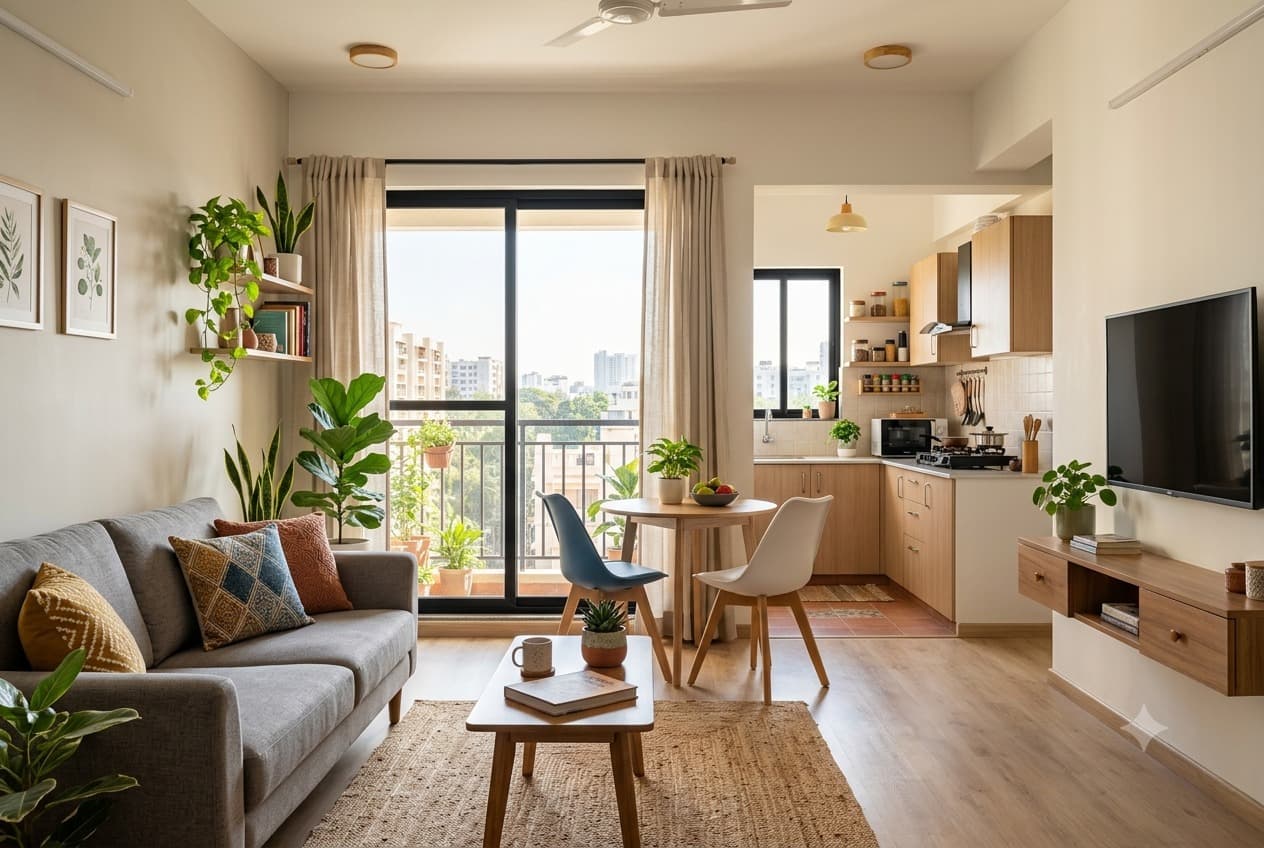
What This Means for Buyers Across the Spectrum
For Indian homebuyers at the budget end, patience and PMAY eligibility verification are the first steps. The supply gap is real, but projects do exist in peripheral corridors of cities like Pune, Ahmedabad, and Lucknow where affordability holds.
For mid-tier buyers, 2026 is a reasonable entry window. Prices have not spiked yet in many growth corridors, and developers are actively targeting this segment with newer launches. The Rs 80 lakh to Rs 1.5 crore bracket is where the best value-to-quality balance currently sits.
For premium buyers, the primary question is city selection. Hyderabad and Pune offer better pricing per square foot for comparable quality than Mumbai does. But Mumbai still wins on long-term capital safety.
Summary
Housing preferences across income groups in India reflect a market pulling in three different directions at once. Budget buyers face shrinking supply and rising EMI pressure, while mid income housing demand India is quietly emerging as the most active and stable segment in 2026. Luxury homes India dominate transaction values, with over half of all sales by value in the premium bracket. For Indian homebuyers across every income level, knowing where your segment is headed is half the battle of making the right call.