
How E-Commerce Is Reshaping Retail Space Demand in India
Summary
E-commerce is transforming India's retail landscape, shifting consumer behavior and increasing logistics demand. The future lies in blending online and offline experiences, with retailers adapting through omnichannel strategies and experiential retail spaces.

Introduction
Walk into any metro city today and you will notice something interesting. Some old shops are closing. New delivery hubs are opening. Shopping habits are shifting quietly. This is the real effect of e-commerce retail India.
Online shopping has changed how people buy, compare, and even think about products. It is no longer just about going to a store. Now it starts on a phone screen. This shift is slowly reshaping the demand for physical retail space across the country.
The Rise of Online Shopping in India
Over the last decade, online shopping growth in India has been nothing short of dramatic. Cheap smartphones, low-cost internet, and easy payment options have brought millions of people online.
From metros to small towns, people now browse products late at night, during lunch breaks, even while travelling. India’s internet economy is expected to touch one trillion dollars by 2030. That number alone explains why the Indian retail market is transforming.
Shopping is no longer limited by geography. A customer in a small town now has the same access as someone in Mumbai or Bengaluru.
Changing Shopping Behaviour of Consumers
One of the biggest shifts is in changing shopping behaviour India.
Earlier, people visited multiple shops, compared prices, and bargained. Now they compare online. They read reviews. They watch unboxing videos. Then they decide.
Tier-2 and tier-3 cities contribute more than 60 percent of online orders. This shows how deep digital retail has reached. Electronics, fashion, and lifestyle products dominate, but even groceries and medicines are moving online.
This behaviour directly impacts retail space demand, especially in traditional markets.
Pressure on Traditional Retail Stores
Small standalone shops feel the pressure first. When customers find better prices and home delivery online, footfall drops.
Many high-street stores now struggle to justify high rents. This has changed retail real estate demand in several cities.
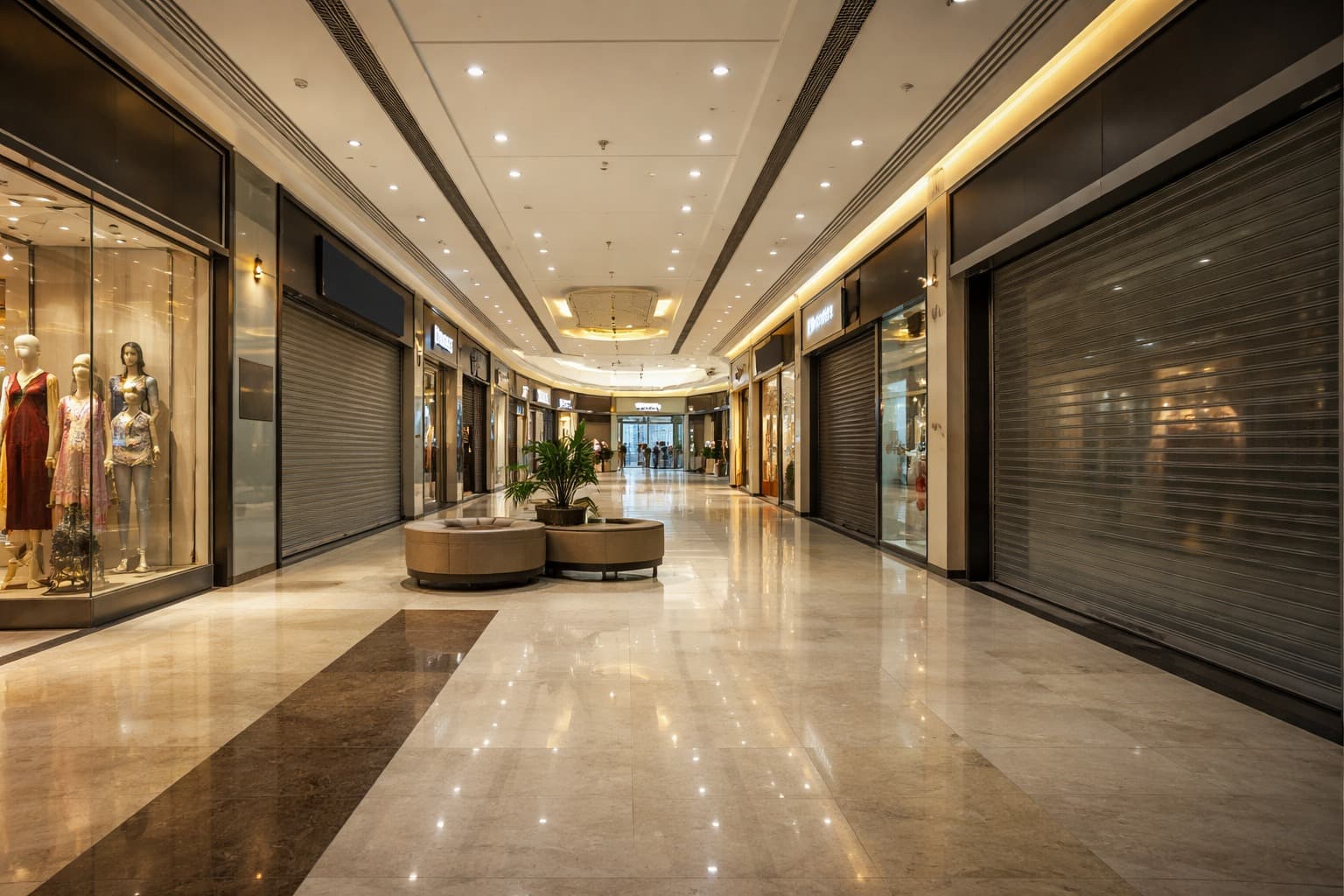
Older shopping complexes without parking, good layout, or experience-based offerings are losing relevance. They feel outdated. And customers notice that.
This is where impact of e-commerce on retail space becomes visible.
The Rise of Experience-Based Retail
But physical retail is not dying. It is evolving.
Modern malls and premium stores are focusing on experiences. Cafes, gaming zones, trial rooms, events, and pop-up stores are becoming common.
People may discover products online. But they still want to touch, try, and feel before buying. This is why future of retail in India depends heavily on experience.
Shopping malls are becoming social spaces, not just buying centres.
Omnichannel: Blending Online and Offline
Today, successful brands are not choosing between online and offline. They are combining both.
This is called omnichannel. Customers browse online, visit stores, pick up orders, or return products offline.
The role of omnichannel retail in India is becoming central to business strategy.
Click-and-collect, in-store returns, online catalogs in shops, all these bridge digital and physical retail.
This balance defines online vs offline retail India today.
Growth of Warehousing and Logistics
While some retail shops are shrinking, warehouses are expanding.
E-commerce needs storage, sorting, and delivery infrastructure. This has boosted demand for logistics parks and fulfilment centres.
In many outskirts and industrial zones, warehousing space is growing faster than malls. This is another way how digital commerce affects retail real estate.
Jobs are also shifting from sales floors to logistics hubs.
Impact on Shopping Malls
The future of shopping malls in India with e-commerce is not about size anymore. It is about relevance.
Successful malls focus on: EntertainmentFood courtsLuxury brandsFamily experiences
They attract people for time spent, not just money spent.
Weak malls with only basic shops are slowly fading. Location and concept matter more than ever.
Retail in Non-Metro Cities
Interestingly, non-metro cities are seeing mixed effects.
On one hand, online shopping offers access. On the other, new organised retail is also growing.
Malls in cities like Indore, Coimbatore, and Bhubaneswar are thriving because people want modern experiences.
Here, future of retail in India looks more balanced. Online and offline are growing together.
How Retailers Are Adapting
Smart retailers are changing their strategies.
They reduce store size.They improve digital presence.They focus on data.They personalise offers.
Physical stores now act as showrooms, service centres, and brand-building spaces.

This is the new meaning of impact of online shopping on physical stores.
Stores are not disappearing. Their purpose is changing.
Real Estate Developers and New Planning
Developers are also adapting.
New retail projects include: Smaller shopsMore food zonesMixed-use layoutsOffice-retail combinations
They understand that retail real estate demand is no longer about maximum shops. It is about maximum engagement.
Location near residential clusters and transport hubs is now more important than ever.
Long-Term Outlook for Retail Space
E-commerce will continue to grow. No doubt about that.
But India is social. People enjoy going out. They enjoy malls. They enjoy street shopping.
So physical retail will survive. But only if it evolves.
The real future lies in integration, not competition.
This is the core of how e-commerce is changing retail space demand in India.
Human Side of the Shift
Behind all numbers, there is emotion.
For many families, weekend mall visits are still special. Street markets still feel alive. Small shop owners still have loyal customers.
Technology changes habits, but relationships still matter.
Retail is not only about selling. It is about connection. And that will never go fully online.
Summary
E-commerce has reshaped India’s retail sector by changing consumer behaviour, boosting online shopping, and increasing demand for logistics infrastructure. While traditional stores face pressure, physical retail is evolving into experience-driven and omnichannel formats. Shopping malls are focusing on entertainment and engagement, while warehouses are expanding rapidly. The future of Indian retail lies in balancing digital and physical platforms. Retailers and developers who adapt to this blended model will remain relevant in a market driven by convenience, connectivity, and customer experience.