
Home Buying Tips for Senior Citizens in India
Summary
Senior citizens in India should prioritize accessibility, medical facilities, and community when buying a home. Financial planning, including reverse mortgages, and thorough legal checks are crucial for comfortable, independent living.

Introduction
Buying a home as a senior citizen is a fundamentally different exercise from buying one at thirty-five. The priorities shift completely. Location matters less for career proximity and more for daily convenience. Size matters less for entertaining and more for ease of maintenance. And the financial decision carries a weight it did not carry in earlier decades because the margin for error is smaller and the consequences of a wrong choice are harder to recover from. Senior citizen home buying in India has become a more structured conversation in recent years, with developers, policymakers, and financial institutions all paying closer attention to this segment. But the buyer still needs to walk in with the right checklist.
Prioritise Accessibility Over Aesthetics
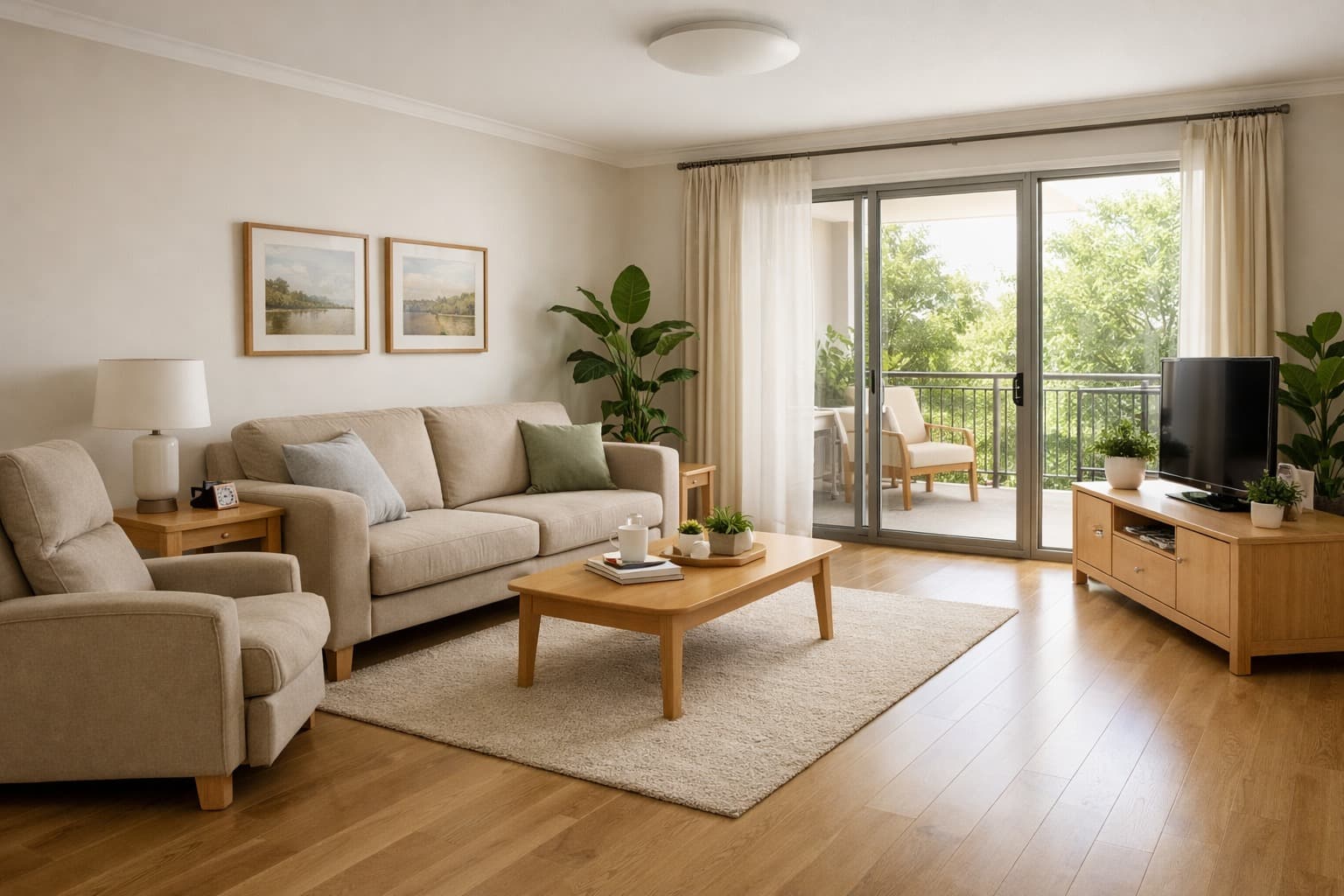
The single most important feature in any senior friendly home India is accessibility. This means ground floor or lift-accessible floors with reliable elevator infrastructure, wide doorways that accommodate walkers or wheelchairs if needed in future, zero-step entries at the building entrance and the apartment door, and bathrooms designed with grab bars, non-slip flooring, and a shower that does not require stepping over a high ledge.
Many buyers in their sixties feel these features are unnecessary at the time of purchase. The reality is that a home purchased today will be lived in for fifteen to twenty years and needs to accommodate mobility changes that come naturally with age. Building accessibility into the purchase decision now is significantly cheaper and less disruptive than retrofitting it later.
Location Should Serve Daily Life, Not Aspirations
Elderly home buying tips consistently converge on one point about location: proximity to daily necessities matters more than prestige of address. A pharmacy, a grocery store, a general physician's clinic, and a diagnostic centre within walking distance or a short auto ride are worth more to a senior citizen's daily quality of life than a premium postal code.
Proximity to family members who can assist in emergencies deserves serious weight in the location decision. A home that requires a forty-five minute drive from the nearest family support makes every medical situation more stressful than it needs to be.
Medical Infrastructure Is Non-Negotiable
No senior citizen housing purchase should be finalised without mapping the nearest hospital with emergency services, the nearest specialist clinics relevant to existing health conditions, and the availability of home healthcare services in that locality. Urban areas generally have better medical access than semi-urban or resort-style retirement destinations, which is a trade-off buyers need to examine honestly.
Some buyers romanticise the idea of retiring to a hill station or coastal town without fully accounting for the medical infrastructure gap that exists in many such locations. A peaceful setting is wonderful until a cardiac event or a fall requires emergency response within minutes.
Financial Planning Around the Purchase
Retirement home buying India financial decisions require a different framework than mid-career purchases. Using retirement savings or provident fund proceeds entirely for a home purchase can leave insufficient liquid reserves for medical emergencies, daily living costs, and maintenance expenses. Financial planners consistently advise keeping at least two to three years of living expenses in liquid assets separately from the property purchase.
Senior citizens above sixty can access home loans from most banks, though tenure restrictions mean the loan period is typically capped to align with age seventy-five or eighty depending on the lender. A smaller loan with a larger down payment and a shorter tenure is almost always the more comfortable financial structure for this age group.
Understand the Reverse Mortgage Option
India's reverse mortgage scheme allows senior citizens who own a property to receive monthly payments from a bank against the security of that property without selling it or giving up residence. For buyers considering downsizing from a larger property to a smaller, more manageable home, the reverse mortgage on the new property can supplement pension or retirement income.
Awareness of this option among Indian senior buyers remains low. Discussing it with a housing finance company before finalising any purchase decision adds a financial flexibility dimension that can meaningfully improve quality of life in later years.
Community and Social Environment Matter More Than Most Buyers Admit
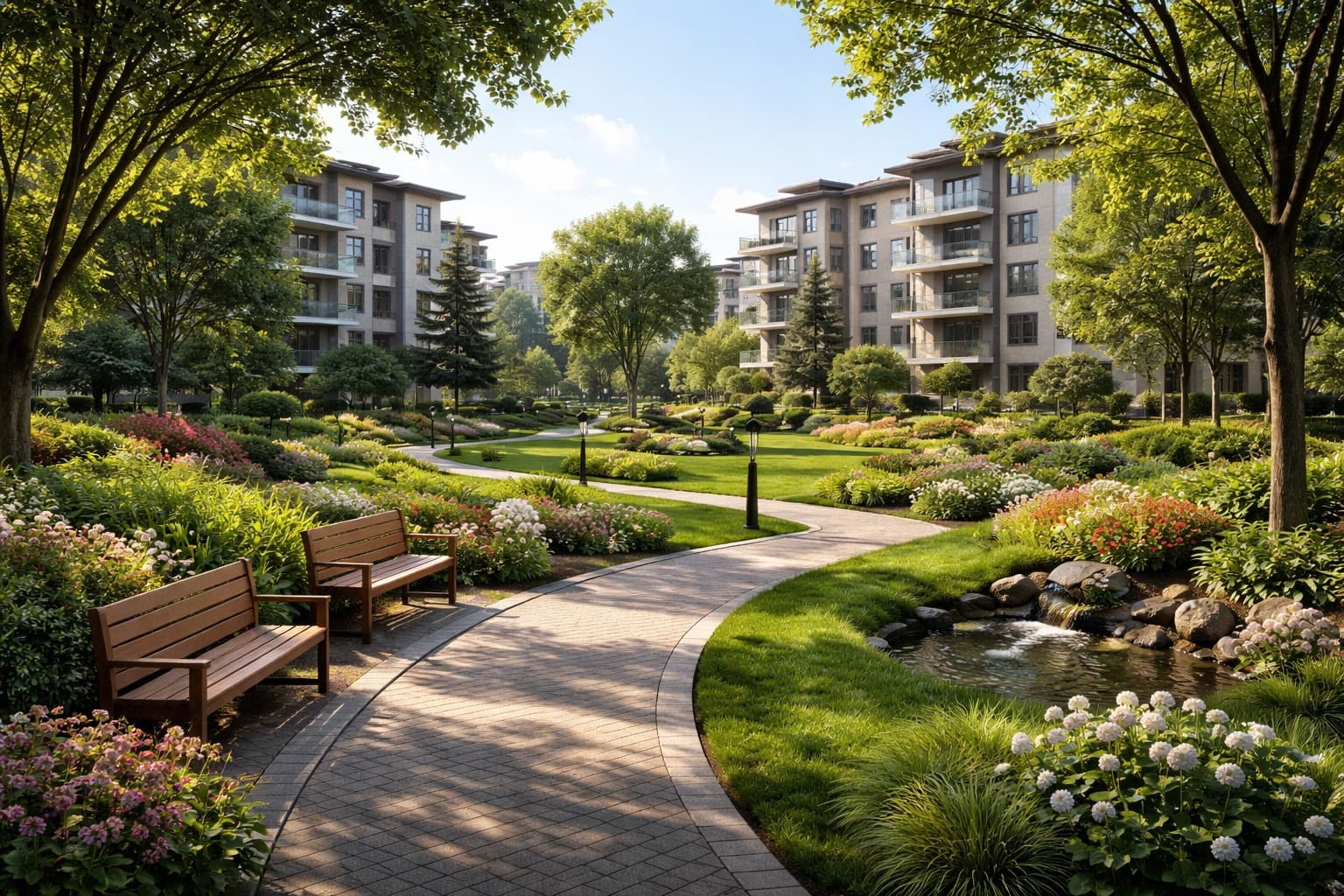
Isolation is one of the most serious and under-discussed challenges of retirement. A home surrounded by a community of similar-aged residents, a functional residents' welfare association, accessible common areas, and programmed social activities creates a living environment that supports mental health in ways that a technically superior but socially isolated property cannot.
Senior citizen friendly apartment projects that include dedicated senior amenity spaces, walking tracks, meditation zones, and community halls designed for regular programming offer a lifestyle dividend that compounds over years of ownership.
Legal and Documentation Checklist
Clear title, RERA registration, and verified encumbrance certificates are non-negotiable for any property purchase but carry additional importance for senior buyers who may not have the energy or resources to pursue prolonged legal disputes. Engaging a property lawyer independently of the developer's recommended advocate adds a layer of protection that is worth the cost.
Summary
Buying a home for senior citizens in India requires placing accessibility, medical proximity, community environment, and financial prudence above every other consideration. The right senior friendly home is not the most impressive one or the most affordable one. It is the one that supports independent, comfortable, and socially connected living for the next fifteen to twenty years without creating financial stress or logistical hardship. Get those fundamentals right and the rest of the decision falls into place naturally.