
GST Rules Every First-Time Homebuyer Should Know
Summary
Navigating GST as a first-time homebuyer in India can be complex. This guide simplifies GST rules, rates for under-construction vs. ready-to-move properties, and common misconceptions to help you make informed decisions.

Introduction
Buying a home is one of the biggest financial decisions in a person’s life. Along with property price, registration charges, and stamp duty, buyers also need to understand taxes. One important component is GST on property purchase. Since its introduction in 2017, GST in real estate India has changed the way property transactions are taxed. For first-time buyers, knowing how GST for homebuyers works can help avoid confusion and unexpected costs.
Understanding GST in Real Estate
The Goods and Services Tax replaced older taxes like VAT, service tax, and excise duty. Earlier, buyers had to pay multiple taxes, which increased overall property prices. The new system introduced a single structure, improving transparency and reducing double taxation.
Today, real estate GST rules 2025 mainly focus on under-construction properties. Ready properties are treated differently, which makes it important for buyers to understand category-wise taxation.
How GST Works in Property Transactions
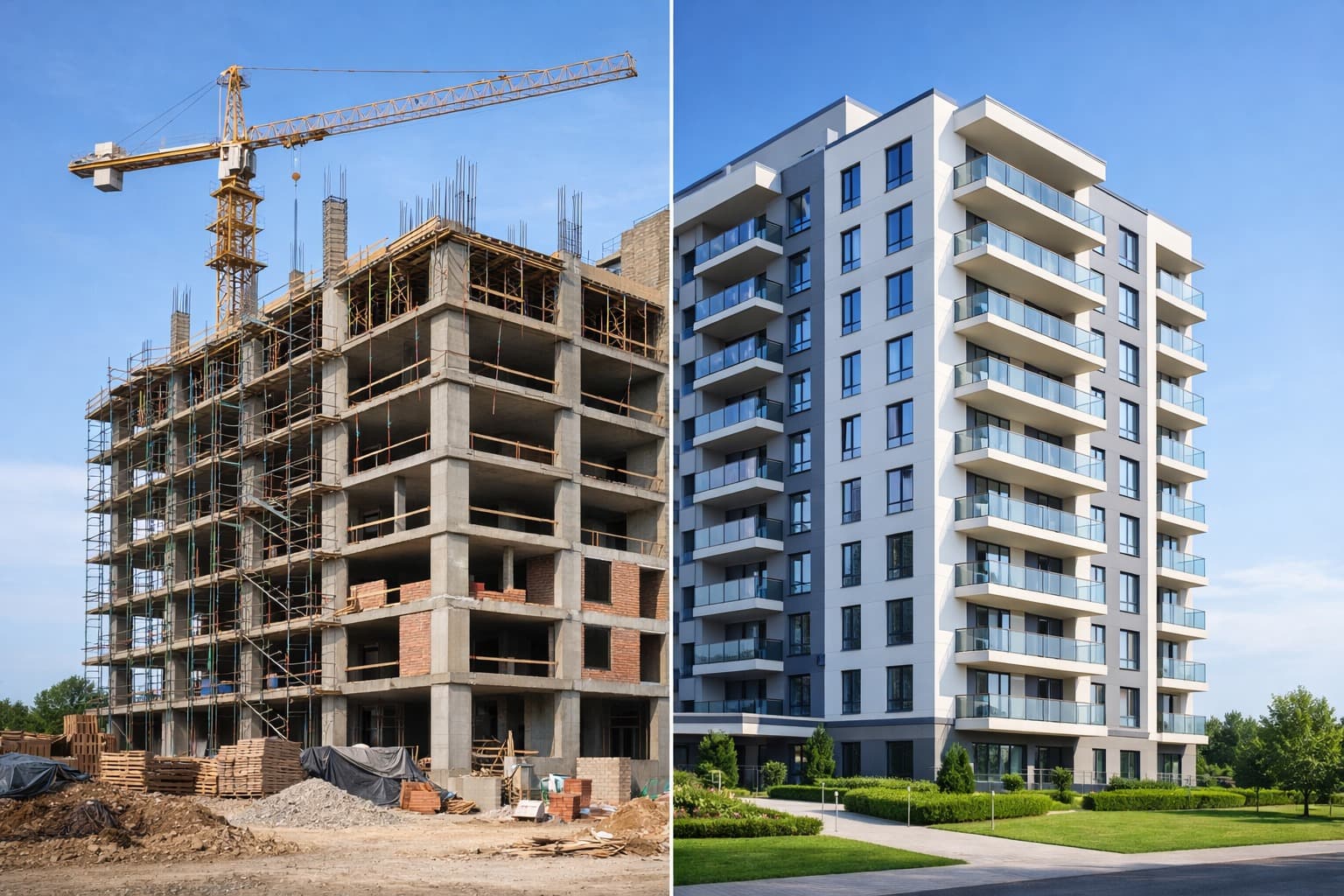
GST is linked to the stage of construction. If a project is under construction, tax applies. If it is completed with a Completion Certificate, GST does not apply.
Developers can claim Input Tax Credit on construction materials and services. However, under current rules, this benefit is not passed on to residential buyers. This directly impacts GST impact on property prices and final purchase costs.
When and Where GST Is Applicable
The most common application of GST on under construction property is in residential projects. Non-affordable homes attract 5 percent GST, while affordable homes attract 1 percent.
GST on flat purchase in India does not apply if the property is ready to move in. Resale properties are also exempt because the transaction happens between individuals. Land purchases are outside GST as well.
Who Pays GST and How It Is Collected
In under-construction projects, buyers pay GST to the developer. The developer then submits this amount to the government.
GST also applies to additional charges such as club membership, parking, and maintenance if they exceed certain limits. These extra costs often surprise buyers who are unaware of GST for first time homebuyers in India.

Affordable Housing and GST Benefits
Affordable housing is defined by carpet area and price limits. In metro cities, the carpet area must be within 60 square metres. In non-metros, it is 90 square metres. The maximum price limit is ₹45 lakh.
For such projects, GST on residential property purchase is only 1 percent without ITC. This makes affordable housing more accessible for first-time buyers.
Common Misconceptions About GST
Many buyers believe GST applies to resale homes. This is incorrect. Only stamp duty applies in such cases.
Another misconception is that RERA registration covers GST compliance. In reality, both are separate legal requirements. Understanding GST rules for first time homebuyers in India helps avoid such misunderstandings.
Impact of GST on Construction and Pricing
Before GST, developers paid multiple taxes, increasing project costs. The unified tax system has improved compliance and reduced leakage.
From a buyer’s point of view, understanding GST for property buyers in India ensures price transparency. Buyers can now clearly see the tax portion in their agreement.
Residential vs Commercial GST Rates
Residential properties attract lower GST compared to commercial ones. Affordable housing attracts 1 percent, while non-affordable and luxury housing attracts 5 percent.
Commercial properties attract 12 percent GST, with ITC benefits available. This makes complete guide to GST in real estate sector important for investors planning mixed portfolios.
Questions to Ask Before Signing
Before finalising a deal, buyers must confirm whether the project is GST registered. They should ask if GST is included in the quoted price.
Buyers must also check Completion Certificate status and pending tax liabilities. These steps are essential in how GST applies on property purchase in India.
GST for Property Investors
Residential rental income is exempt from GST unless it exceeds ₹20 lakh annually. NRIs buying ready properties do not pay GST.
For commercial properties, GST is 12 percent on purchase and 18 percent on rental income. ITC benefits are available, making commercial assets attractive for serious investors.
Recent GST Updates and Policy Trends
The Central Board of Indirect Taxes and Customs regularly updates compliance rules. Recent notifications aim to improve digital filing and transparency.
State-level stamp duty still varies, affecting total costs. Future reforms may expand affordable housing definitions and improve reporting systems.
Mistakes Buyers Should Avoid
Many buyers wrongly assume GST applies to all properties. Others fail to verify the developer’s registration.
Some confuse GST with stamp duty and registration fees. These errors often increase costs. Knowing GST on under construction flats in India 2025 helps prevent such mistakes.
Developer-Level Compliance Issues
Incorrect invoicing, non-disclosure of GST, and improper bundling of services are common errors.
Buyers must demand clear tax invoices and written clarification. This strengthens confidence in GST for homebuyers and protects legal rights.
Summary
GST has simplified property taxation and improved transparency for homebuyers. It mainly applies to under-construction properties, while completed and resale homes remain exempt. Affordable housing attracts lower GST, making it suitable for first-time buyers. Understanding rates, legal compliance, and documentation is essential before signing any agreement. By learning how GST works and avoiding common mistakes, buyers can plan better finances, reduce risks, and make informed decisions while investing in residential or commercial property in India.