
Gated Community vs Standalone Building: A Comprehensive Comparison for Indian Homebuyers
Summary
Indian homebuyers often weigh gated communities against standalone buildings. Gated communities offer enhanced security and amenities, potentially higher resale value, while standalone buildings can be more affordable with fewer restrictions. Your choice depends on priorities!

Introduction
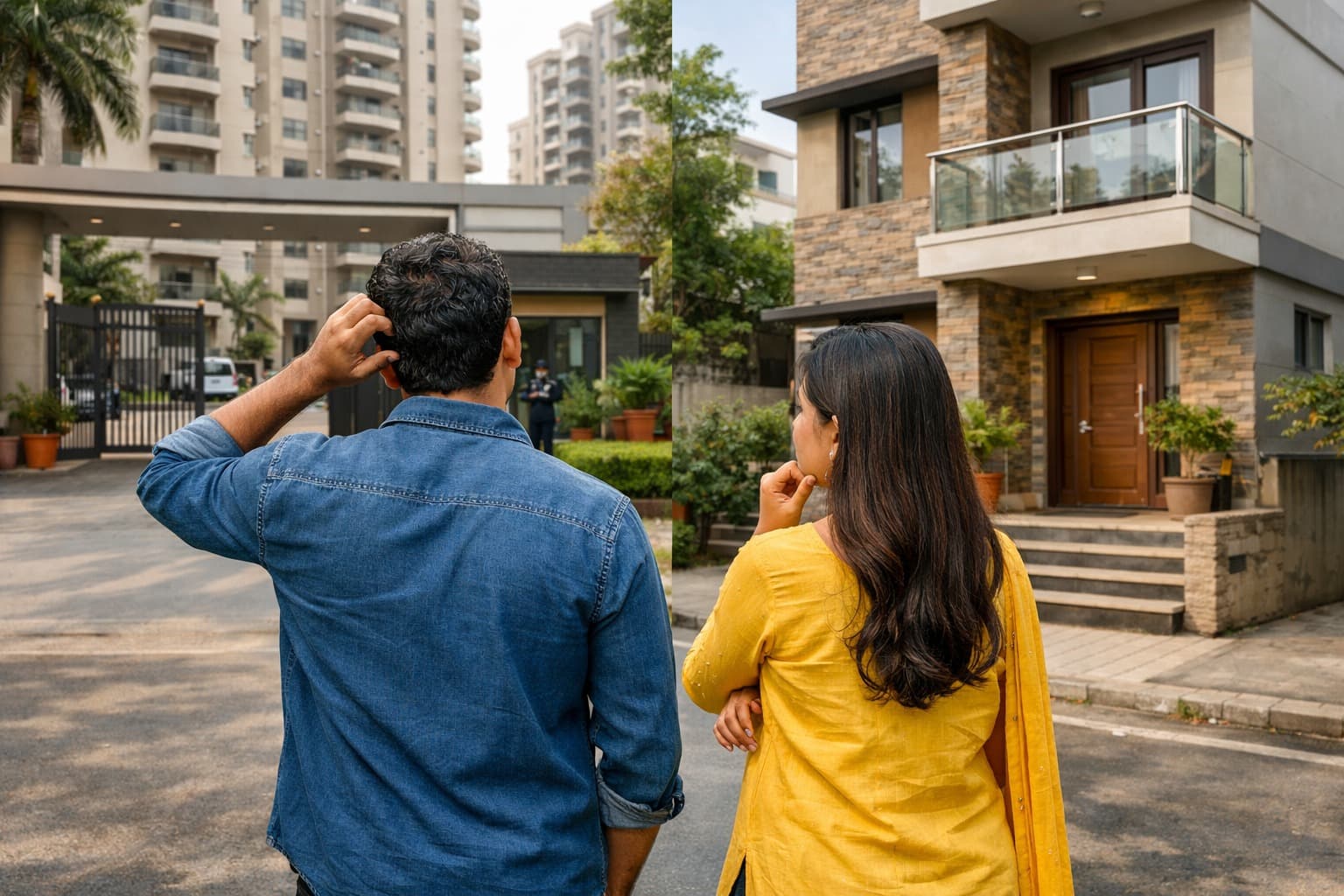
Choosing between a gated community and a standalone building is a common dilemma for Indian homebuyers, especially those planning for long-term living or resale. While both options offer homeownership, they differ significantly in terms of resale value, maintenance structure, safety, and lifestyle benefits. Understanding the gated community vs standalone building full comparison helps buyers align their choice with budget, security needs, and future investment goals.
What Is a Gated Community
A gated community is a residential complex with multiple buildings or villas enclosed within a secured boundary. These projects usually offer common amenities such as security systems, power backup, parking management, landscaped areas, and recreational facilities. Professional facility management is a defining feature of gated communities.
What Is a Standalone Building
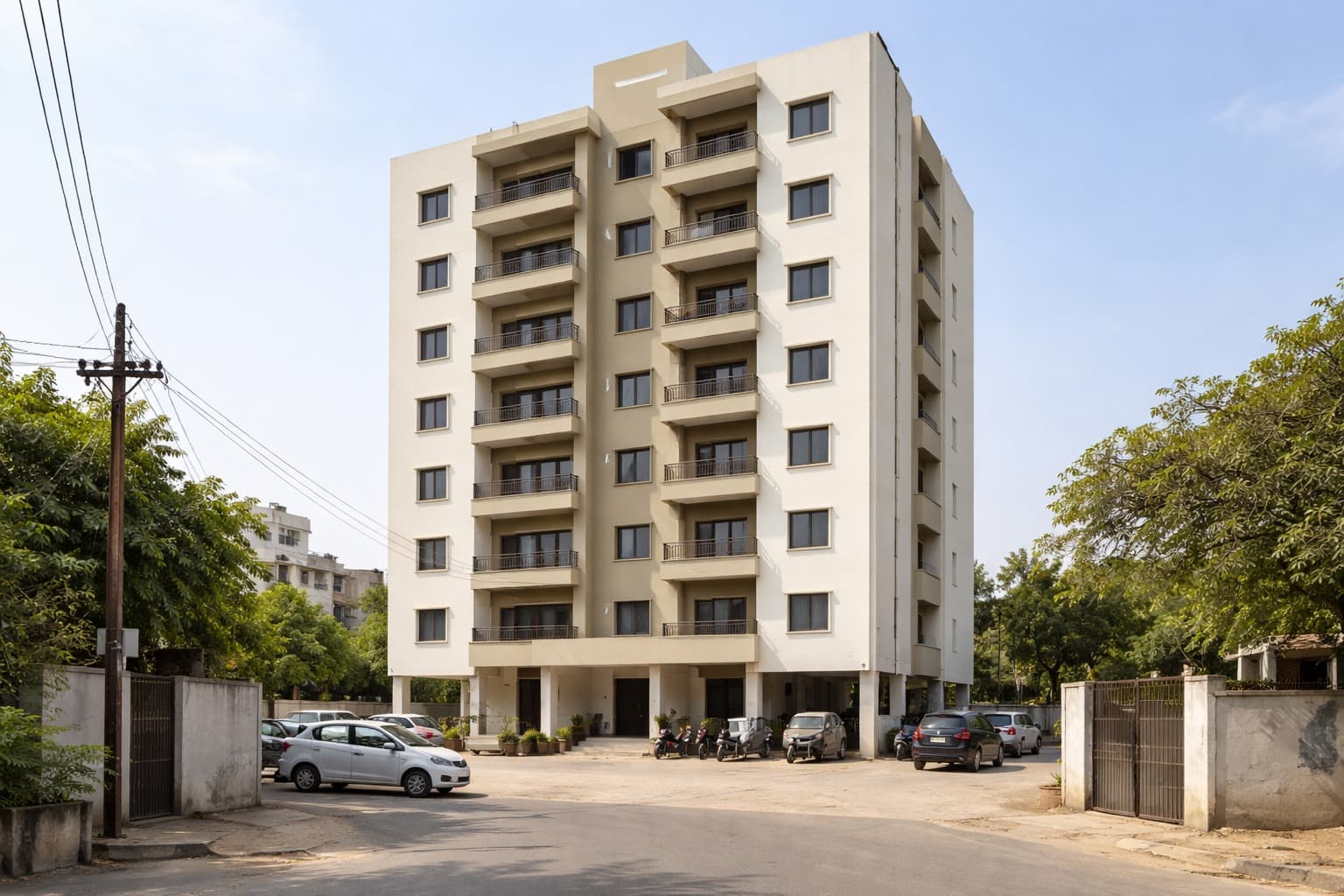
A standalone building is an independent residential structure, usually with fewer flats and limited shared facilities. Such buildings may or may not have a formal society or professional maintenance team. Maintenance and security responsibilities are generally managed by residents themselves.
Resale Value Comparison
Resale potential is a key factor when evaluating gated community vs standalone building resale. Gated communities generally command higher resale value due to better amenities, security, and consistent upkeep. Buyers often prefer gated projects because they offer predictable living standards. In contrast, standalone building resale value depends heavily on location, building condition, and society management, which may vary over time.
Maintenance Structure and Costs
In gated communities, maintenance is centrally managed and covers security, common amenities, lifts, landscaping, and power backup. While gated society maintenance charges are higher, services are more organised and reliable. Standalone buildings usually have lower monthly costs, but maintenance quality depends on resident participation. Over time, lack of structured maintenance can lead to faster wear and tear.
Safety and Security Standards
Safety is one of the strongest advantages of gated communities. They typically offer 24/7 security personnel, CCTV surveillance, access control, and visitor tracking. This significantly improves safety in gated community apartments, especially for families and senior citizens. Standalone buildings often rely on basic security arrangements, making them more vulnerable to security gaps.
Lifestyle and Amenities
Gated communities provide shared amenities such as parks, gyms, clubhouses, and walking tracks, supporting a community-oriented lifestyle. Standalone buildings usually lack such facilities, which may require residents to depend on external options. Buyers comparing pros and cons of gated community vs standalone building often consider lifestyle as a deciding factor.
Parking and Infrastructure
Parking is usually planned and allocated in gated projects, reducing conflicts among residents. Infrastructure such as internal roads, drainage, and lighting is better maintained. In standalone buildings, parking availability can be limited or unorganised, and infrastructure upgrades depend on collective resident decisions.
Legal and Management Aspects
Gated communities are typically developed by reputed builders and come with clearer documentation, RERA compliance, and structured handover processes. Standalone buildings, especially older ones, may face issues related to unclear by-laws, irregular maintenance funds, or documentation gaps. These factors can affect resale and financing.
Suitability for Different Buyers
Standalone buildings may suit buyers with limited budgets, preference for low-density living, or prime city locations where gated projects are scarce. Gated communities are better suited for buyers seeking security, amenities, and long-term asset value. Understanding which is better gated community or standalone building depends on personal priorities rather than a single right answer.
Long-Term Investment Perspective
From an investment viewpoint, gated communities generally perform better due to sustained demand, easier resale, and professional upkeep. Standalone buildings may offer initial cost savings but can face challenges in maintaining value over time, especially if maintenance is neglected.
Summary
Both gated communities and standalone buildings have their own advantages and limitations. Gated communities score higher on safety, resale value, and lifestyle amenities, while standalone buildings offer affordability and independence. Buyers should evaluate resale goals, maintenance expectations, and safety needs before deciding. A clear understanding of the maintenance and safety comparison gated vs standalone homes ensures a confident and informed homebuying decision.