
Floor Inspection Checklist: Identifying Deviations and Ensuring Safety
Summary
Ensure building safety and longevity with a comprehensive floor inspection checklist. Learn to identify deviations, conduct thorough inspections, and implement effective maintenance strategies for residential and commercial properties.

Introduction
A proper floor inspection checklist is one of the most important tools for ensuring safety, quality, and long-term value in any property. Many buyers and facility managers focus only on walls, lighting, and design, but often ignore small floor plan deviations that slowly turn into major problems. Whether it is a residential apartment or a commercial complex, floors play a vital role in comfort and movement. This guide works as a practical property inspection guide and helps you understand how to maintain building floor safety through regular checks and careful observation.
Understanding Floor Plan Deviations
Floor plan deviations occur when the actual construction does not match the approved layout. These changes may include uneven surfaces, shifted walls, improper slopes, or poor finishing. Over time, such errors affect usability and safety. A reliable checklist for inspecting floor plan deviations helps identify these concerns early. Knowing how to identify floor plan deviations in buildings requires patience, visual attention, and a basic understanding of approved drawings and site conditions.
Importance of Regular Floor Inspections
Regular inspections are essential for maintaining healthy and usable spaces. A well-prepared detailed floor inspection checklist supports early detection of cracks, moisture, loose tiles, and surface wear. This practice reduces repair costs and improves user confidence. In high-traffic spaces, inspections also protect against legal risks and insurance issues. A strong inspection routine supports smooth operations and improves overall standards of facility maintenance floors.
Common Types of Floor Deviations
Several issues are commonly noticed during inspections. Uneven leveling is one of the most frequent problems. Cracked tiles, peeling surfaces, and poor drainage slopes also appear often. In some cases, carpet edges lift or wooden panels shrink. These problems affect movement and appearance. A structured commercial building floor inspection or residential property floor safety audit helps record such deviations and plan corrections without delay.

Key Areas to Inspect on Floors
Every inspection must cover specific zones carefully. Surface condition should be checked for holes, chips, or dents. Slip resistance is equally important, especially in bathrooms and corridors. Cleanliness must be observed, as spills often lead to accidents. Floor coverings such as tiles, vinyl, and carpets require close attention. Transition areas between rooms deserve special focus. Signage and warning marks should also remain visible to prevent slip and trip hazards through floor inspection.
Tools and Documentation for Inspection
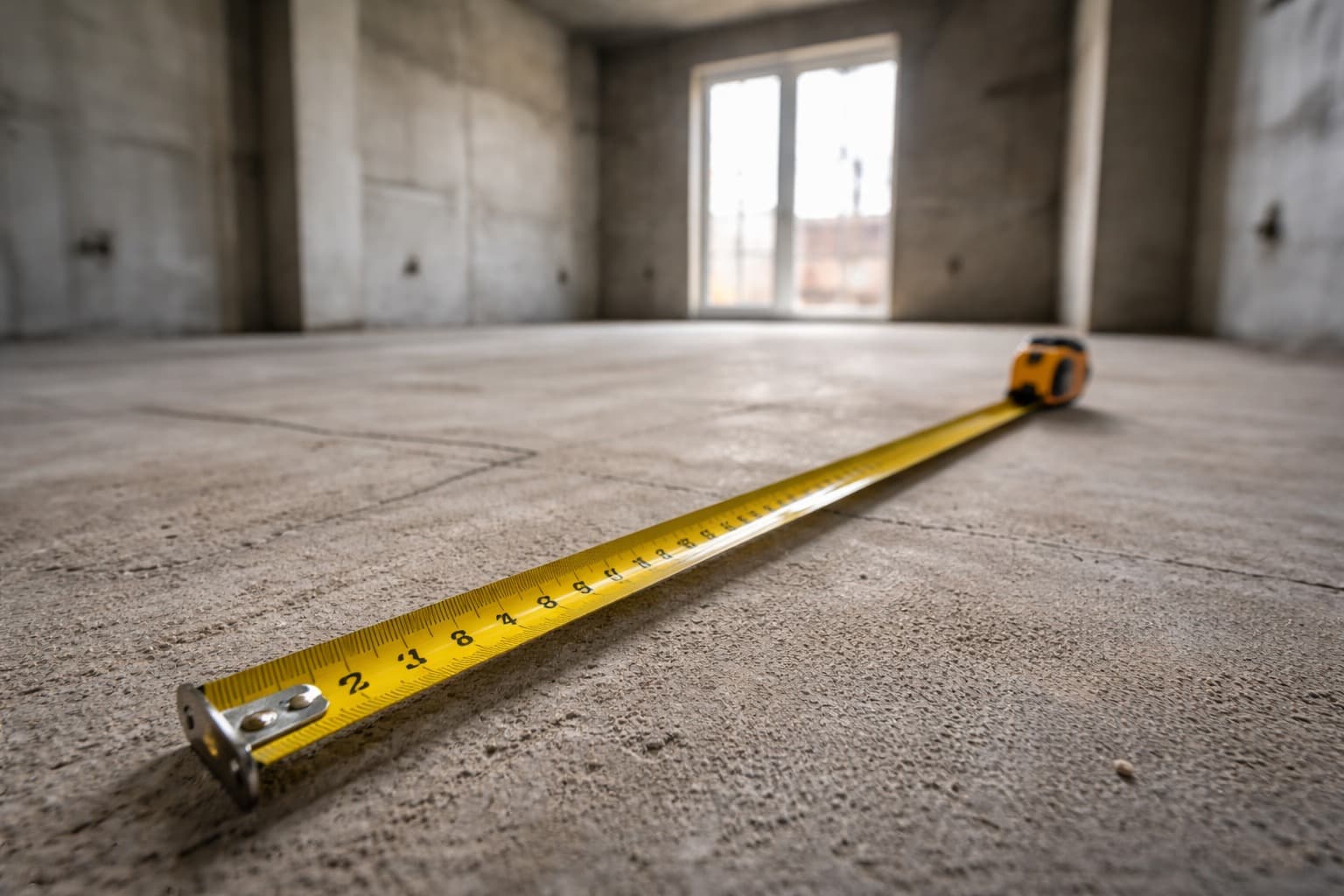
Carrying proper tools improves inspection quality. A measuring tape helps check levels and spacing. Spirit levels confirm evenness. Moisture meters detect water seepage. A camera records visible defects for reporting. Copies of approved drawings support comparison. Digital forms also help in tracking repeated problems. When these tools are used together, the floor maintenance inspection process becomes more accurate and transparent.
Step-by-Step Inspection Process
A clear method reduces confusion. First, review approved layouts and past reports. Second, conduct a visual walkthrough of all areas. Third, test surfaces by gentle tapping and pressure. Fourth, measure uneven sections. Fifth, note down all deviations. Sixth, take photographs for proof. Finally, prepare corrective suggestions. Following a step by step floor inspection checklist for property owners ensures that no major detail is missed during evaluation.
Safety Standards and Legal Compliance
Safety is closely connected with regulations. Floors must follow guidelines related to load capacity, surface finish, and accessibility. In India, local authorities and building codes define minimum standards. Ignoring them may lead to penalties or occupancy delays. Understanding legal compliance for floor safety in India protects both owners and occupants. Regular audits help maintain lawful operations and reduce future disputes.
Maintenance and Improvement Strategies
Inspection alone is not enough. Action must follow. Minor cracks should be sealed quickly. Loose tiles must be replaced. Slippery zones may require anti-skid coatings. Regular cleaning improves durability. Training staff and residents about floor care also helps. Applying the best practices for long term floor maintenance ensures that investments remain protected and daily usage stays comfortable.
Future Outlook for Floor Management
With increasing focus on smart buildings, floor inspections are becoming more technology-driven. Sensors, mobile apps, and cloud records are improving accuracy. Predictive maintenance models will soon identify risks before visible damage appears. Still, human observation will remain essential. Combining modern tools with traditional inspection habits will strengthen quality standards in both residential and commercial properties.
Summary
This blog explained how a proper floor inspection checklist helps identify floor plan deviations and maintain safety in buildings. It discussed common defects, key inspection areas, useful tools, and step-by-step procedures. The importance of legal compliance, regular audits, and timely maintenance was also highlighted. By following structured inspection methods and long-term care strategies, property owners and facility managers can reduce risks, improve comfort, and protect their investments while ensuring secure and reliable floor systems for everyday use.