
Features Residents Actually Use vs Marketing Amenities
Summary
Many residential project amenities are marketed heavily but rarely used, leading to wasted maintenance costs for residents. A study reveals functional services like maintenance and reliable utilities are valued most, while flashy features often see limited, short-term use. Buyers should prioritize daily value and functional features over aspirational marketing hype.

Introduction
Walk through any new project's sales brochure and you will find a long, glossy list. Infinity pool. Mini theatre. Golf simulator. Pet spa. Now walk through the same project two years after possession and watch which of these spaces actually have people in them on a random Tuesday evening. The gap between what gets marketed and what gets used is one of the most under-discussed realities in Indian residential real estate, and it has real consequences for buyers who pay maintenance charges on amenities sitting empty.
What a Recent Resident Survey Actually Found
A study published in the International Journal for Research in Applied Science and Engineering Technology surveyed apartment residents across various Bengaluru societies to understand actual usage patterns rather than relying on brochure claims. The findings are revealing. Maintenance and basic upkeep services scored the highest satisfaction, with a large share of residents reporting their complaints were addressed within 24 hours. That is not a flashy amenity. It is a functional one, and it is the one residents valued most consistently.
The same study found that common service-based amenities, things like housekeeping, security, and maintenance response time, generated far stronger satisfaction scores than the lifestyle-oriented spaces that dominate marketing material. Clubhouses and recreational zones were appreciated mainly for their role in community bonding rather than for the specific facilities inside them.
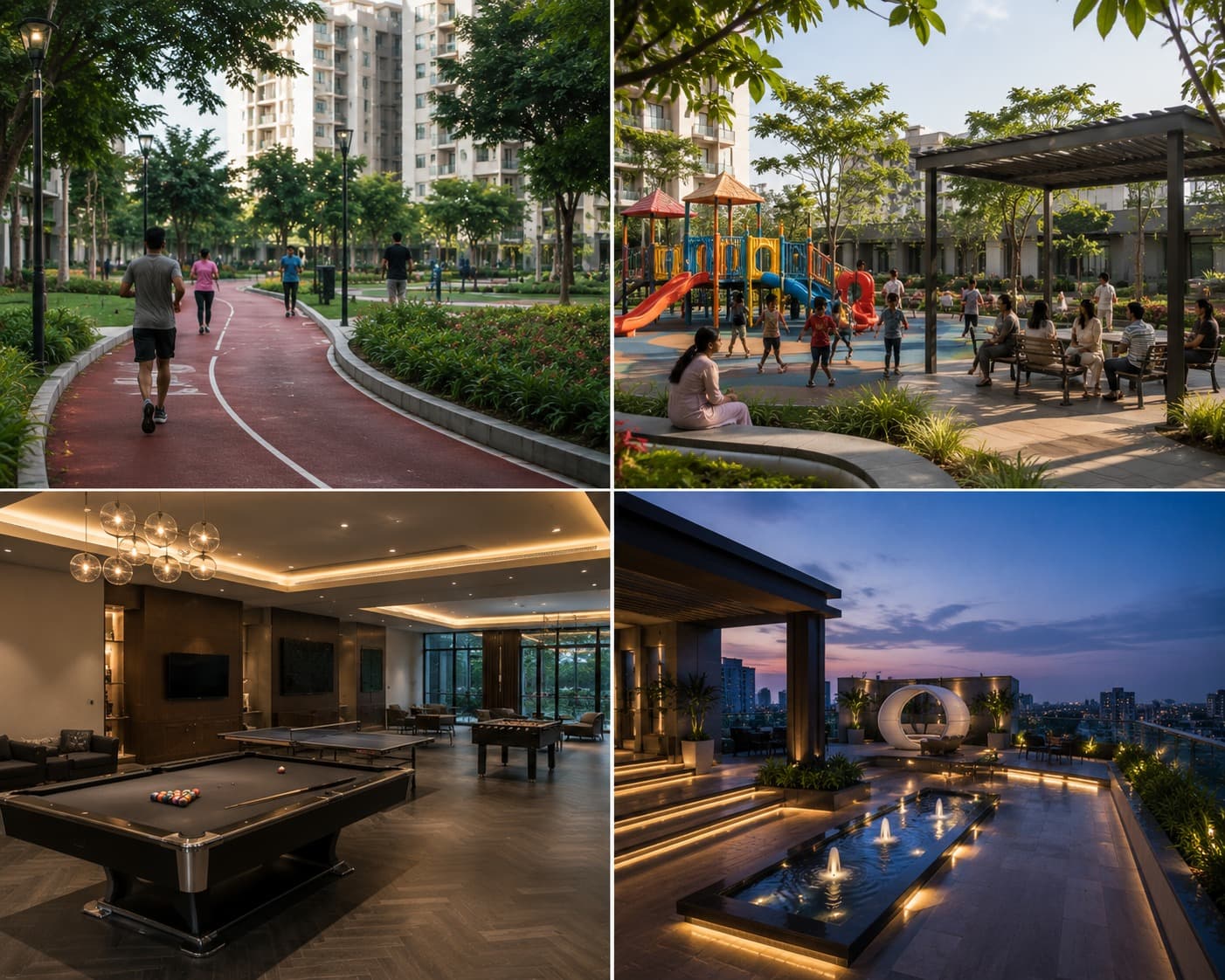
The Pool and the Gym: A Familiar Story
Almost every new launch in urban India features a swimming pool and a fully equipped gymnasium as headline attractions. In practice, usage of both tends to cluster around a small percentage of residents, and that percentage often shrinks further within the first eighteen months after handover. The novelty wears off. Work schedules take over. And the maintenance cost of keeping a pool chemically balanced and a gym's equipment serviced continues regardless of how many people actually use either space that month.
This does not mean these amenities have no value. For the residents who do use them regularly, they matter a great deal. The issue is the mismatch between the cost allocated across every paying household and the number of households deriving daily benefit from it.
Spaces That Quietly Earn Their Keep
Compare that to amenities rarely mentioned first in a sales pitch. Children's play areas see consistent daily use across almost every age group of family. Walking and jogging tracks within the compound get used by a wide cross-section of residents, particularly senior citizens who value a safe, flat, enclosed space for daily movement. Visitor parking, often treated as an afterthought in planning, becomes one of the most contested resources in any society once families start hosting guests regularly.
Power backup and water supply reliability rarely appear as a marketed amenity at all, yet they are consistently the features residents say they would least like to live without.
Why This Gap Exists in the First Place
Developers market what photographs well and what differentiates one project from a dozen competing launches in the same micro-market. A rooftop infinity pool sells brochures. A reliable water pump does not generate the same visual excitement, even though it affects daily life far more directly.
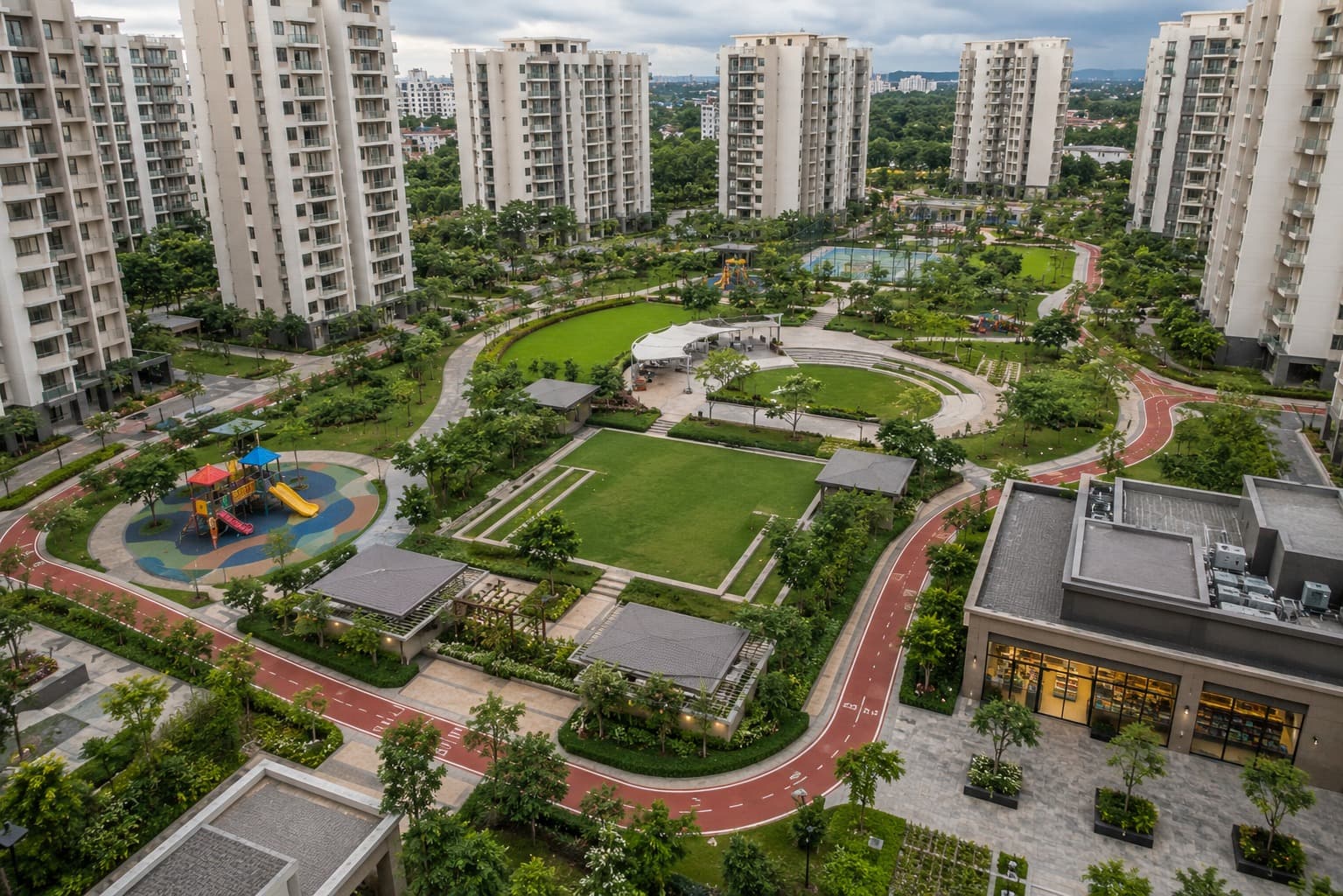
Buyers, especially first-time ones, often respond to this marketing exactly as intended, weighing amenity lists heavily in their decision without projecting forward to actual usage patterns or the maintenance cost those amenities will add for decades.
What This Means When You Are Evaluating a Project
Before being swayed by an amenity list, ask which features the existing residents in similar completed projects by the same developer actually use. Visit an older project from the same builder and observe rather than ask. A clubhouse with people in it on a weekday evening tells you more than any brochure photograph. Factor maintenance cost per amenity into your decision, not just the presence of the amenity itself.
Summary
Which apartment amenities do residents actually use in India comes down to a consistent pattern: functional, daily-use features outperform aspirational, photograph-friendly ones in real satisfaction terms. The gap between marketed amenities and actual usage in Indian flats exists because developers optimise for differentiation while buyers should be optimising for daily value. Apartment amenities that justify higher maintenance charges are usually the unglamorous ones: power backup, water reliability, and well-maintained common services. The next time an amenity list impresses you, ask the people already living there what they actually use.