
Corner Flat vs. Middle Unit: A First-Time Buyer's Guide in India
Summary
Corner flats offer enhanced light, ventilation, and privacy, but come at a premium. This guide helps first-time Indian buyers weigh the pros and cons against middle units to make an informed decision.

Introduction
If you have ever walked through a site visit and found yourself drawn to the end-of-corridor apartment, the one with windows on two sides and a balcony that wraps slightly around the building, you have experienced the instinctive appeal of a corner flat. There is something immediately compelling about the extra light, the sense of openness, and the feeling that nobody is crowding you from every direction. But first-time buyers in India face a very practical question: does that appeal translate into a sound financial and lifestyle decision, or is it an expensive preference that a tighter budget cannot justify? The honest answer involves both sides of the equation.
What Makes a Corner Flat Different
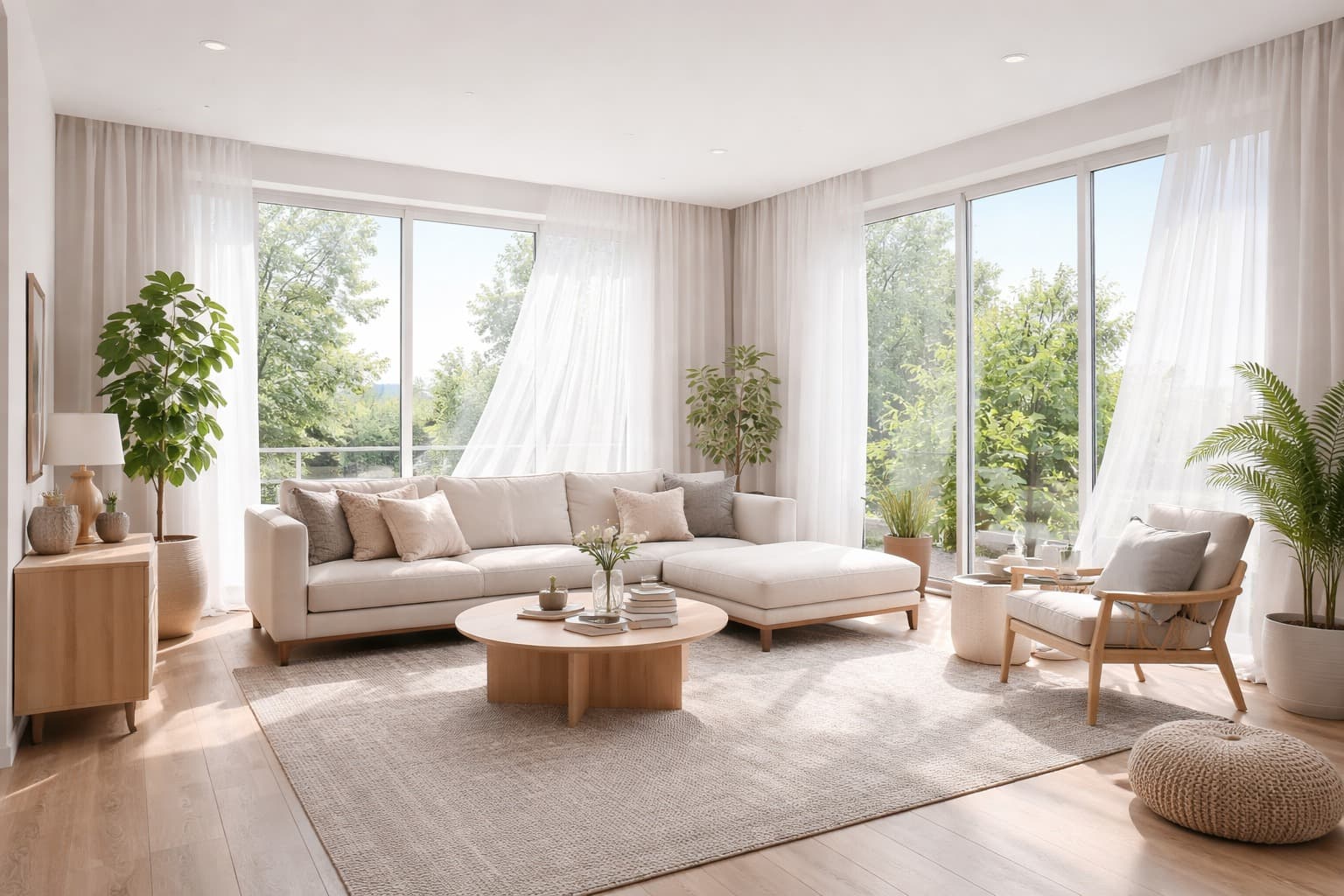
A corner flat, sometimes called an end unit, sits at the edge of a floor rather than sandwiched between two neighbours. It shares only one wall with another apartment instead of two. This single structural fact creates a cascade of differences. Because the unit occupies the corner of the building, it typically has walls facing two different external directions. That means windows on two or more sides instead of one, which is the primary source of the corner flat's appeal: natural light, cross-ventilation, and a feeling of openness that middle units simply cannot replicate.
In a typical apartment complex in Indian cities, corner flats account for roughly 15 to 20 percent of units on any given floor. That scarcity is one reason they attract a price premium, and one reason they tend to sell out during pre-launch phases before middle units do.
The Genuine Advantages
The ventilation and natural light story is real, not just marketing. A flat with windows facing two different compass directions benefits from cross-ventilation, air moving across the apartment rather than stagnating in one direction. In cities like Hyderabad, Chennai, or Pune where the summer months are long and humid, this reduces dependence on air conditioning during the transitional seasons and makes the indoor environment feel fresher throughout the year.
Privacy is another tangible benefit. With only one shared wall instead of two, you hear less from neighbours and they hear less from you. For families with young children, professionals working from home, or anyone who values a quiet living environment, this is not a minor detail. Add to that the reduced foot traffic outside your door, since corner units sit at the end of corridors rather than in the middle of them, and the day-to-day noise landscape of the apartment is meaningfully calmer.
Views are the third real advantage, especially on mid to high floors. A corner flat typically has unobstructed sightlines in at least two directions, something no middle unit can offer regardless of which floor it sits on. And from a resale perspective, market data from cities like Hyderabad shows that corner flats in well-planned projects appreciate approximately 8 to 12 percent faster than comparable middle units in the same building.
The Honest Drawbacks
A corner flat costs more. The premium in most Indian cities ranges from 5 to 15 percent over equivalent middle units. On a flat priced at ₹1.2 crore, that is an additional ₹6 to ₹18 lakh. For a first-time buyer working within a careful budget, that gap has real consequences for home loan eligibility, EMI burden, and the financial cushion left after purchase.
The extra windows that deliver light and ventilation also mean more exterior wall area exposed to the elements. In Indian cities with heavy monsoon seasons, this raises the risk of water seepage if the builder's waterproofing is not thorough. It also means more surface area to maintain over time, more glass to clean, and potentially higher energy bills during summer months when the additional glazing admits heat.
The floor plan challenge is worth understanding before you buy. Corner flats often have L-shaped or irregular layouts with awkward corners that are difficult to furnish. A badly proportioned nook between two exterior walls can eat into usable carpet area without adding any functional space. Always compare the actual carpet area of the corner unit against a similar middle flat on the same floor rather than assuming the corner comes with more liveable space.
External noise is also worth checking. A corner flat on a lower floor facing a main road gets more ambient noise from traffic than a middle unit on the same floor that faces an internal corridor. Visit the apartment at different times of day before deciding.
The Vastu Consideration
Many Indian homebuyers factor Vastu Shastra into their purchase decision. Corner flats can be particularly suitable for Vastu-conscious buyers because the dual-directional exposure makes it easier to orient key rooms in auspicious directions. Northeast-facing corner flats are generally considered the most favourable. Southwest-facing corners may require specific remedies, so checking the orientation before booking is worth the effort.

Who Should Choose a Corner Flat
Families with children who want natural light and ventilation in the children's rooms will find genuine daily value in a corner flat. Professionals working from home benefit from the quieter single-shared-wall environment. Buyers with a medium to long investment horizon tend to favour corner units for their historically stronger resale performance.
First-time buyers on tighter budgets who are prioritising carpet area per rupee may find that a well-chosen middle unit on a higher floor delivers comparable livability at a lower outlay. The premium is justified when light, ventilation, and privacy matter more than maximising space per rupee spent.
Summary
Corner flats offer first-time buyers in India genuine advantages: superior natural light, better cross-ventilation, greater privacy with one fewer shared wall, and historically stronger resale appreciation. The trade-offs are real: a 5 to 15 percent price premium, greater waterproofing and maintenance exposure, potential for irregular floor plans, and more outdoor noise on lower floors. The right choice depends on budget headroom, lifestyle priorities, and how long you plan to hold the property.