
Comprehensive Inspection Checklist for Furnished Flats
Summary
A comprehensive checklist ensures a furnished flat's comfort, safety, and long-term value. Inspect furniture, appliances, plumbing, and legal documents to avoid future risks and ensure a hassle-free living experience.

Introduction
Buying or renting a furnished flat can save time and effort, but it also requires careful inspection. Many people focus only on furniture design and location, while ignoring quality, safety, and functionality. A proper inspection helps you avoid future repair costs and daily inconvenience. This guide explains a complete inspection checklist for furnished flats so that homebuyers and tenants can make informed decisions. It focuses on practical aspects that matter in daily life and long-term comfort.
Understanding the Importance of Furnished Flat Inspection
A furnished flat comes with ready-made interiors, appliances, and fittings. While this appears convenient, hidden defects may exist. Loose fittings, damaged wiring, or low-quality furniture can create problems later. Inspection ensures that what you see is what you actually get. It also protects you from unnecessary disputes with builders or landlords. A detailed check improves safety, usability, and overall satisfaction.
Checking Furniture Quality and Condition
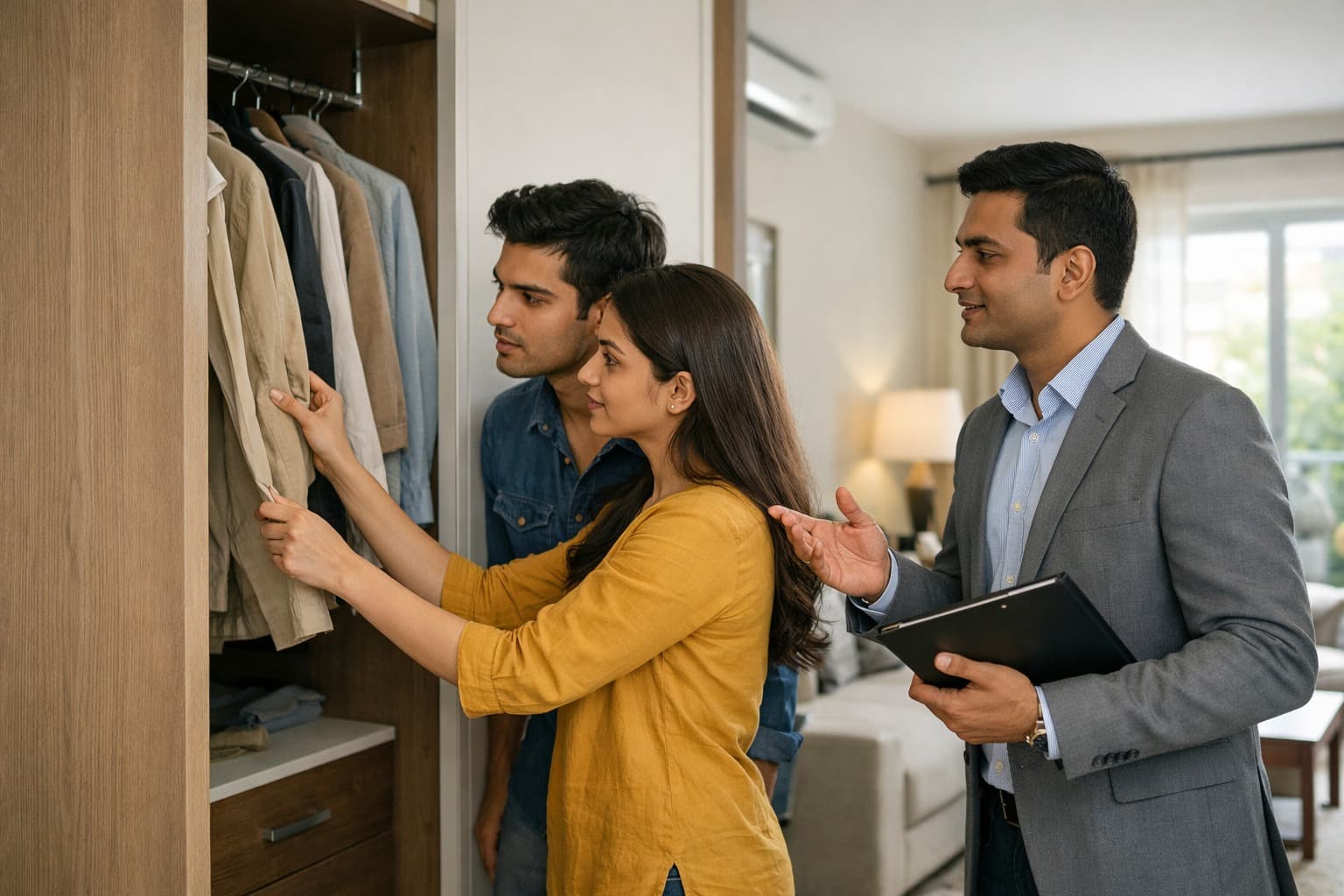
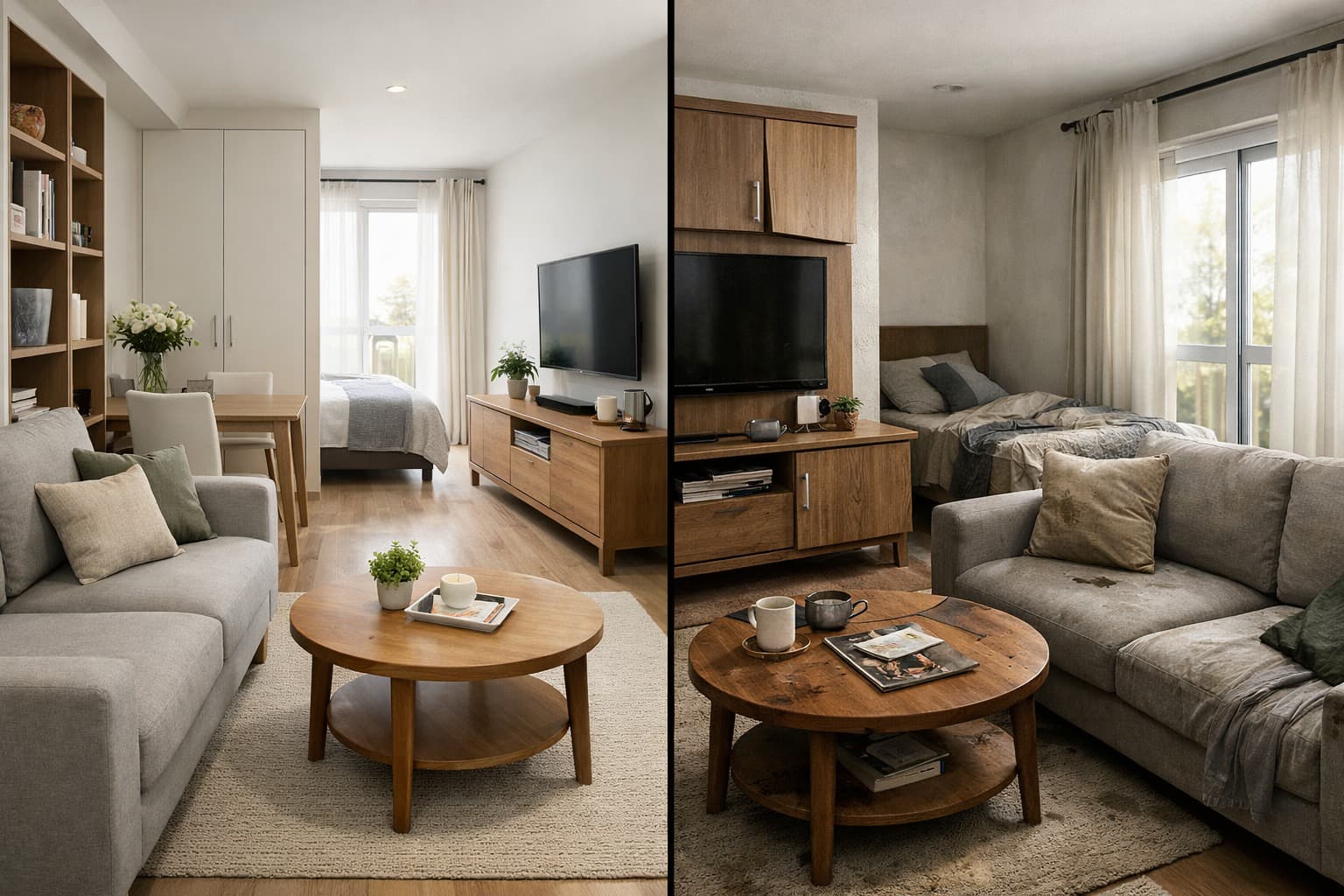
Furniture forms the core of any furnished flat. Begin by examining beds, sofas, wardrobes, tables, and chairs. Look for cracks, wobbling, or loose joints. Open and close drawers and cabinets to test smooth movement. Check upholstery for stains, tears, or weak stitching. Mattresses should feel firm and clean. Poor-quality furniture may require early replacement, increasing your expenses.
Inspecting Electrical Fittings and Appliances
Electrical systems must be checked carefully. Switch on all lights, fans, and plug points. Test air conditioners, geysers, televisions, refrigerators, and washing machines. Confirm that appliances are working properly without unusual noise. Inspect wires and sockets for damage. Ensure that circuit breakers and safety switches are installed. Faulty electrical systems can be risky and costly to repair later.
Evaluating Kitchen Setup and Storage
The kitchen is one of the most important areas in a furnished flat. Check modular cabinets, drawers, and shelves for strength and alignment. Inspect countertops for cracks or stains. Test chimneys, microwaves, and built-in ovens if provided. Open taps to check water pressure. Examine sinks for leakage. Proper storage and functional appliances make daily cooking easy and stress-free.
Bathroom Fixtures and Plumbing Assessment
Bathrooms should be clean, dry, and well-fitted. Check toilets, washbasins, and showers for leakage. Flush systems should work smoothly. Inspect mirrors, cabinets, and towel holders. Look for damp patches on walls and ceilings. Test hot and cold water supply. Good plumbing prevents long-term damage and avoids frequent maintenance issues.
Flooring, Walls, and Interior Finishing
Examine flooring for cracks, uneven tiles, or loose edges. Carpets and wooden panels should be firmly fixed. Walk across rooms to detect hollow sounds. Inspect walls for peeling paint, dampness, or cracks. Doors and windows must open and close properly. Curtains, blinds, and decorative panels should be securely installed. Good finishing reflects quality construction and improves comfort.
Safety and Security Features
Safety should never be ignored. Check door locks, window grills, and main entry systems. Ensure fire extinguishers and smoke detectors are present in high-rise buildings. Balconies should have strong railings. Intercom systems and CCTV connections must function properly. Verify emergency exits and staircases. A secure environment protects residents and adds long-term value to the property.
Ventilation, Lighting, and Natural Airflow
Proper ventilation keeps the home healthy and fresh. Open windows to check airflow. Ensure exhaust fans work in kitchens and bathrooms. Observe natural light during daytime. Dark or poorly ventilated rooms may feel uncomfortable over time. Balanced lighting reduces electricity consumption and improves living quality.
Legal Documents and Inventory Verification
Along with physical inspection, document verification is essential. Match the provided inventory list with actual items. Confirm brand names, models, and warranties of appliances. Check maintenance agreements if available. Verify ownership documents, occupancy certificates, and society approvals. Proper documentation avoids legal problems and ensures transparency.
Common Mistakes to Avoid During Inspection
Many buyers rush through inspections due to time pressure or excitement. Ignoring minor cracks, loose handles, or small leaks can become costly later. Some people rely only on verbal promises instead of written confirmation. Others fail to test appliances properly. Avoid skipping any section of the flat. A slow and careful approach brings better results.
Long-Term Benefits of Proper Inspection
A thorough inspection provides peace of mind. It reduces unexpected expenses and improves daily comfort. You gain confidence in your investment and avoid repeated maintenance. Well-inspected furnished flats also offer better resale value. Over time, this practice supports smart property decisions and stable living conditions.
Summary
Inspecting a furnished flat is essential for ensuring comfort, safety, and long-term value. A proper checklist helps buyers and tenants evaluate furniture quality, appliances, kitchen fittings, plumbing, and interior finishing. Attention to security, ventilation, and documentation reduces future risks. Avoiding common mistakes and following a structured inspection process protects your investment. By carefully examining every detail before finalizing, you can enjoy a hassle-free living experience and maintain confidence in your property choice.