
Comparing Flats: A Guide to Using Carpet Area for Smart Home Buying
Summary
Confused comparing flats? This guide highlights why carpet area is the smartest way to make informed home buying decisions. Learn how to accurately compare usable space, layout, and value for long-term comfort.

Introduction
Choosing between two flats often looks simple on paper, yet many buyers feel confused when the sizes appear similar but the pricing differs widely. The main reason for this confusion is unclear property measurement terms. Carpet area is the most reliable way to compare flats fairly. It reflects the actual usable space inside a home. Understanding how to compare two flats using carpet area helps buyers make practical decisions based on real living comfort rather than marketing numbers.
What Carpet Area Actually Means
Carpet area refers to the net usable floor space within a flat where you can place furniture or move freely. It excludes walls, balconies, shafts, and common spaces. Apartment carpet area meaning is important because it shows how much space you truly own and use daily. When buyers focus on this figure, they avoid misleading impressions created by larger advertised areas.
Why Carpet Area Is the Best Comparison Tool
When comparing flats, carpet area gives a clear and honest picture. Built-up or super built-up figures often include spaces that are not usable. Carpet area shows actual value for money. It helps buyers judge comfort, functionality, and layout efficiency. This is why carpet area matters when comparing flats, especially when two homes appear similar but feel different in daily use.

Step One: Collect Carpet Area Details
The first step in flat comparison is to collect verified carpet area details from official documents. Check the sale agreement, floor plan, or builder disclosure. Avoid relying only on brochures. Carpet area calculation must be clearly mentioned and compliant with regulations. Without accurate data, flat size comparison method becomes unreliable.
Step Two: Compare Room Sizes and Layout
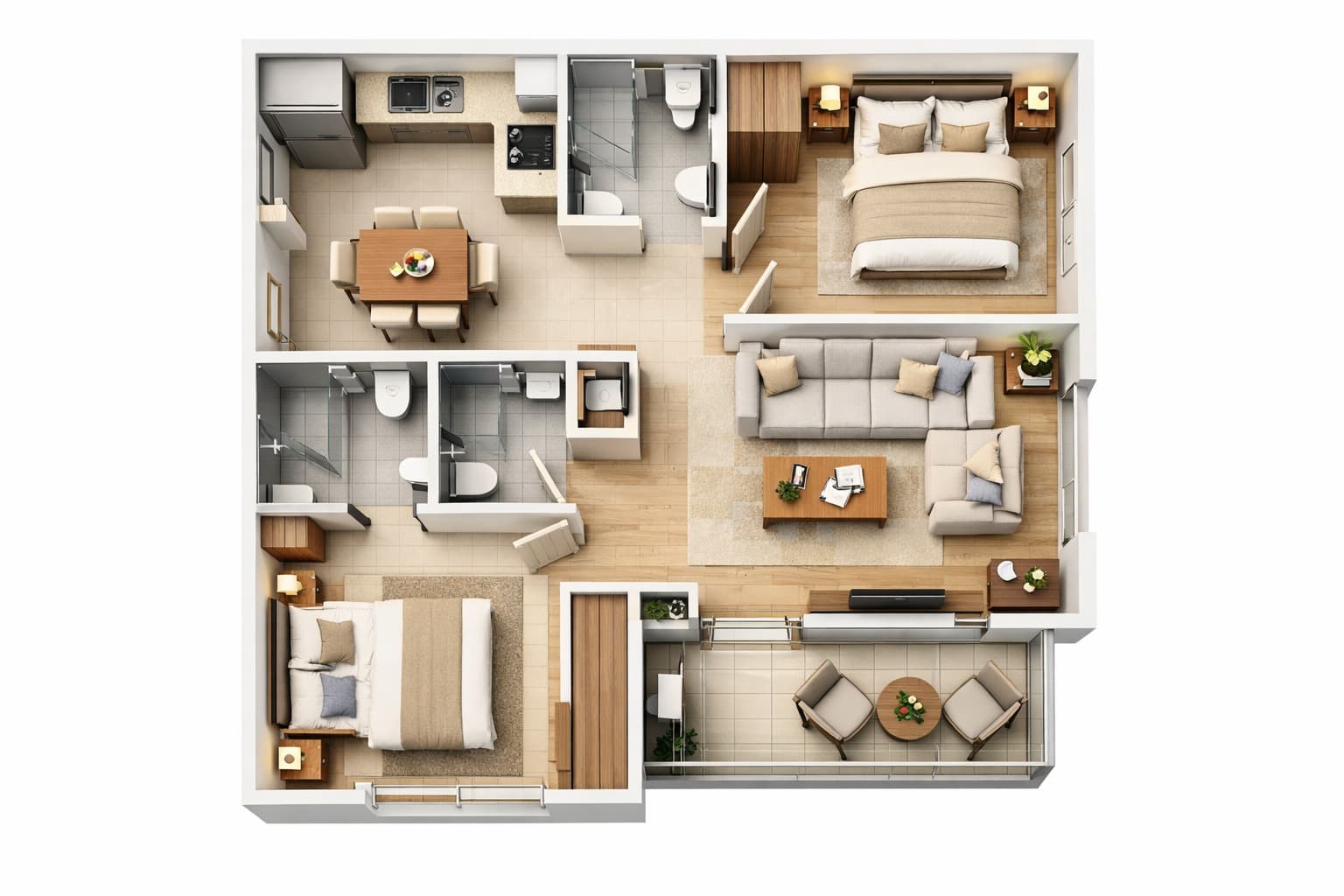
Two flats with the same carpet area can feel very different due to layout. Compare bedroom sizes, living space shape, kitchen width, and bathroom placement. Efficient layouts offer better movement and furniture placement. This practical review helps buyers understand apartment size beyond numbers and supports smarter home buying decisions.
Step Three: Check Space Usability
Usable space matters more than total area. Long passages, awkward corners, or narrow rooms reduce comfort. When you compare flats using carpet area, observe how much of the space can be practically used. A well-planned flat often feels larger even with slightly less carpet area. This step ensures the comparison focuses on daily living quality.
Step Four: Relate Carpet Area to Price
Comparing price per square foot of carpet area gives real value clarity. Two flats may have the same price, but the one with higher carpet area offers better worth. This method avoids confusion caused by inflated super built-up figures. It is the best way to compare flat sizes while buying and ensures transparent decision-making.
Step Five: Understand Measurement Differences
Buyers should clearly understand carpet area vs built up area differences. Built-up includes walls and balconies, while super built-up adds common areas. These figures vary widely across projects. Carpet area calculation for apartments in India is regulated, making it the safest benchmark for fair comparison and legal clarity.
Step Six: Consider Long-Term Comfort
Carpet area directly affects future comfort, resale value, and furnishing flexibility. Larger usable space improves lifestyle and reduces adjustment issues. Comparing flats only on appearance can lead to regret later. Carpet area ensures the comparison reflects real, long-term living needs rather than short-term attraction.
Step Seven: Use Carpet Area for Final Decision
After evaluating layout, usability, and price, carpet area should guide the final choice. It allows buyers to compare flats objectively and avoid emotional bias. Property measurement based on carpet area protects buyers from overpaying and supports confident home buying.
Summary
Comparing flats using carpet area helps buyers understand true usable space and real value. It avoids confusion created by built-up and super built-up figures. By checking verified carpet area details, layout efficiency, space usability, and price per square foot, buyers can make informed decisions. Carpet area comparison ensures transparency, long-term comfort, and better investment value. For any home buyer, focusing on carpet area is the smartest and safest way to compare two flats accurately.