
Common Myths About Carpet Area Every Indian Homebuyer Must Stop Believing
Summary
Confused about carpet area? This guide busts common myths surrounding carpet area, built-up area, and super built-up area in India. Understand RERA's impact and avoid overpaying for your dream home.

Introduction
Walk into any property sales office in India and you will hear at least three different area figures thrown at you within the first ten minutes. The brochure says one thing, the agent quotes another number, and the agreement mentions something else entirely. Most buyers nod along politely without truly understanding what they are paying for.
Carpet area, built-up area and super built-up area are not interchangeable terms for the same thing. They describe meaningfully different measurements of a property, and confusing them can cost you lakhs of rupees and years of disappointment. The myths surrounding these terms are surprisingly common and persistent even among educated, informed buyers.
Myth 1: Carpet Area and Built-Up Area Mean the Same Thing
This is probably the most widespread confusion in Indian real estate. They are not the same. Not even close.
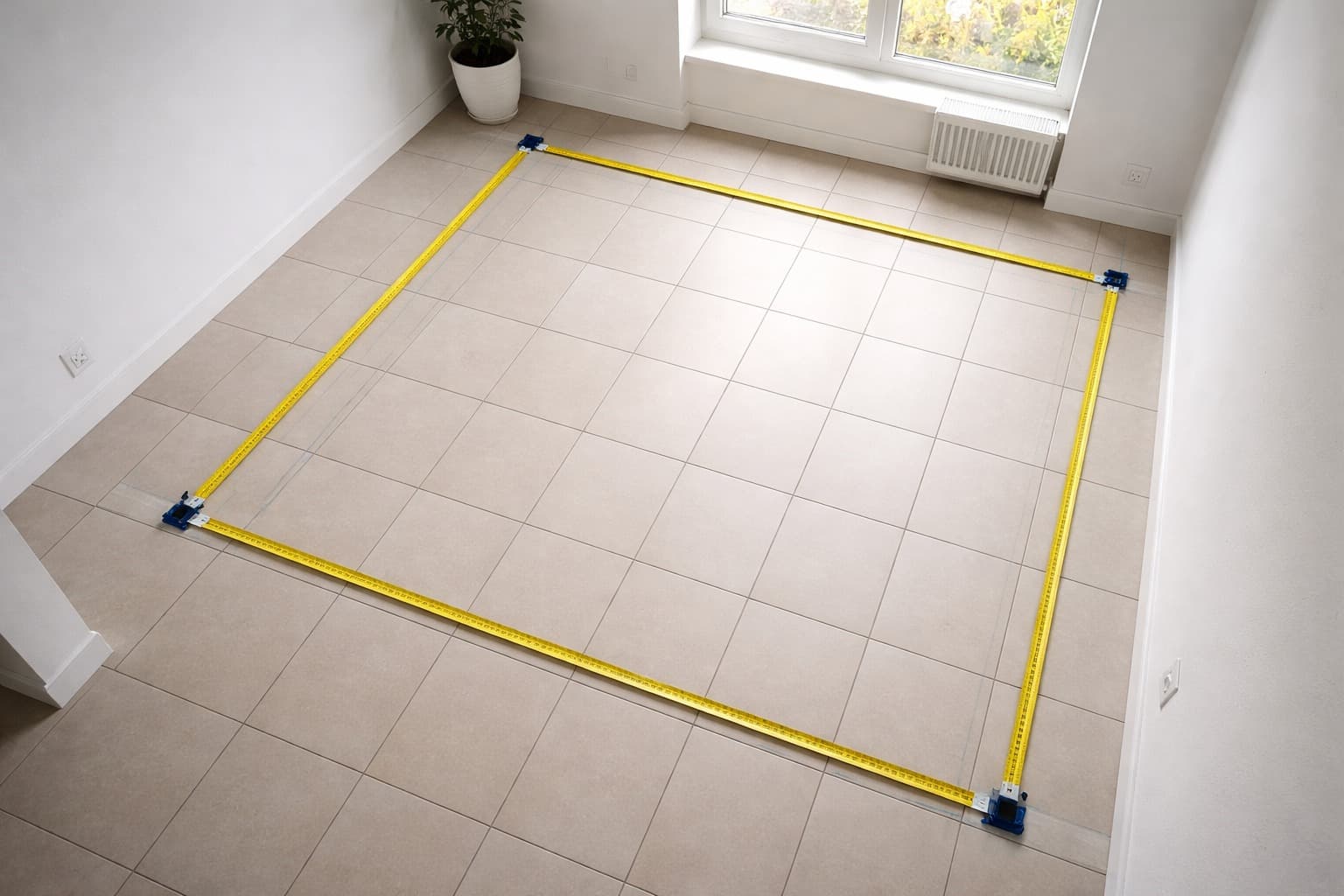
Carpet area is exactly what the name suggests: the floor space inside your flat where you could lay carpet. It is the net usable area within your walls, covering bedrooms, living room, kitchen, bathrooms and internal corridors. Under RERA, it also includes the area covered by internal partition walls within the flat. What it excludes is everything outside your walls: balconies, the external wall thickness, open terraces, lobbies, lifts and staircases.
Built-up area, also called plinth area, adds the thickness of all walls to the carpet area. So it is larger. The formula is straightforward: carpet area plus wall area equals built-up area. Built-up area is typically around 10 to 15 percent larger than the carpet area. It includes the living room, bedrooms, kitchen, bathrooms, balconies and closed staircases but excludes open terraces, open staircases, lifts and swimming pools.
When a builder quotes your flat's size as built-up area, you are already paying for wall thickness. That is legal. But confusing it with carpet area means you are overestimating your actual living space.
Myth 2: Super Built-Up Area Is Just Another Name for Built-Up Area
This myth leads to the most expensive surprises. Super built-up area, also called saleable area, is significantly larger than built-up area because it includes your proportionate share of all common areas in the building.
Lobbies, lifts, staircases, clubhouses, swimming pools, gymnasium spaces and any other shared amenities are divided proportionately among all flat owners and added to each flat's built-up area to arrive at the super built-up area. The formula includes the built-up area plus the setback area plus roughly 20 percent of common areas, though this loading factor varies from project to project.
Before RERA came into force in 2016, builders routinely priced flats on super built-up area. This lowered the per square foot rate on paper while inflating the total cost in practice. A buyer comparing a flat priced at Rs 8,000 per square foot on super built-up area versus Rs 10,000 per square foot on carpet area was not necessarily getting a better deal with the first option. The super built-up area could be 40 to 50 percent larger than the actual carpet area in many projects.
Myth 3: RERA Has Not Changed Anything About How Area Is Quoted
This myth persists because some buyers do not realise that RERA fundamentally changed the rules. The Real Estate Regulation and Development Act, 2016 mandates that all flats must be sold on the basis of RERA carpet area. Builders are required to disclose the carpet area of every unit clearly, and they cannot price flats purely on super built-up area under this framework.
The RERA carpet area definition is specific. It is the total floor area minus the area of external walls. It includes usable spaces like bedrooms, kitchen, bathrooms and toilets, as well as the area covered by internal partition walls. It does not include balconies, utility areas, external walls, open terraces, lifts or staircases.
This was a genuine consumer protection reform. Before RERA, a 1,200 square foot super built-up area flat might have delivered only 750 to 800 square feet of actual carpet area. RERA forces disclosure so buyers know exactly what they are getting before they commit.

Myth 4: Carpet Area Is Always 70 Percent of Super Built-Up Area
This is a rough industry approximation, not a fixed rule. The actual relationship between carpet area and super built-up area depends entirely on the building design, the builder's loading factor and how generously common areas have been built. In some projects the carpet area is 65 percent of super built-up area. In others it might be 72 percent. Always ask the builder for the RERA carpet area figure specifically.
Summary
Understanding carpet area vs built-up area India is not optional knowledge for homebuyers. Carpet area is your actual usable living space. Built-up area adds wall thickness to that. Super built-up area adds your share of common areas on top. RERA carpet area rules require builders to quote and sell on the basis of carpet area, protecting buyers from inflated saleable area comparisons. Before signing any property agreement, always verify the exact RERA carpet area figure and use that as your basis for both price comparison and space assessment across every project you evaluate.