
Color Psychology in Home Décor: How the Right Shade Can Transform Every Room
Summary
Unlock the power of color psychology in your home! Discover how to choose the right shades for each room to create desired moods, from calming blues in the bedroom to energizing yellows in the kitchen. Apply the 60-30-10 rule for harmonious design.

Introduction
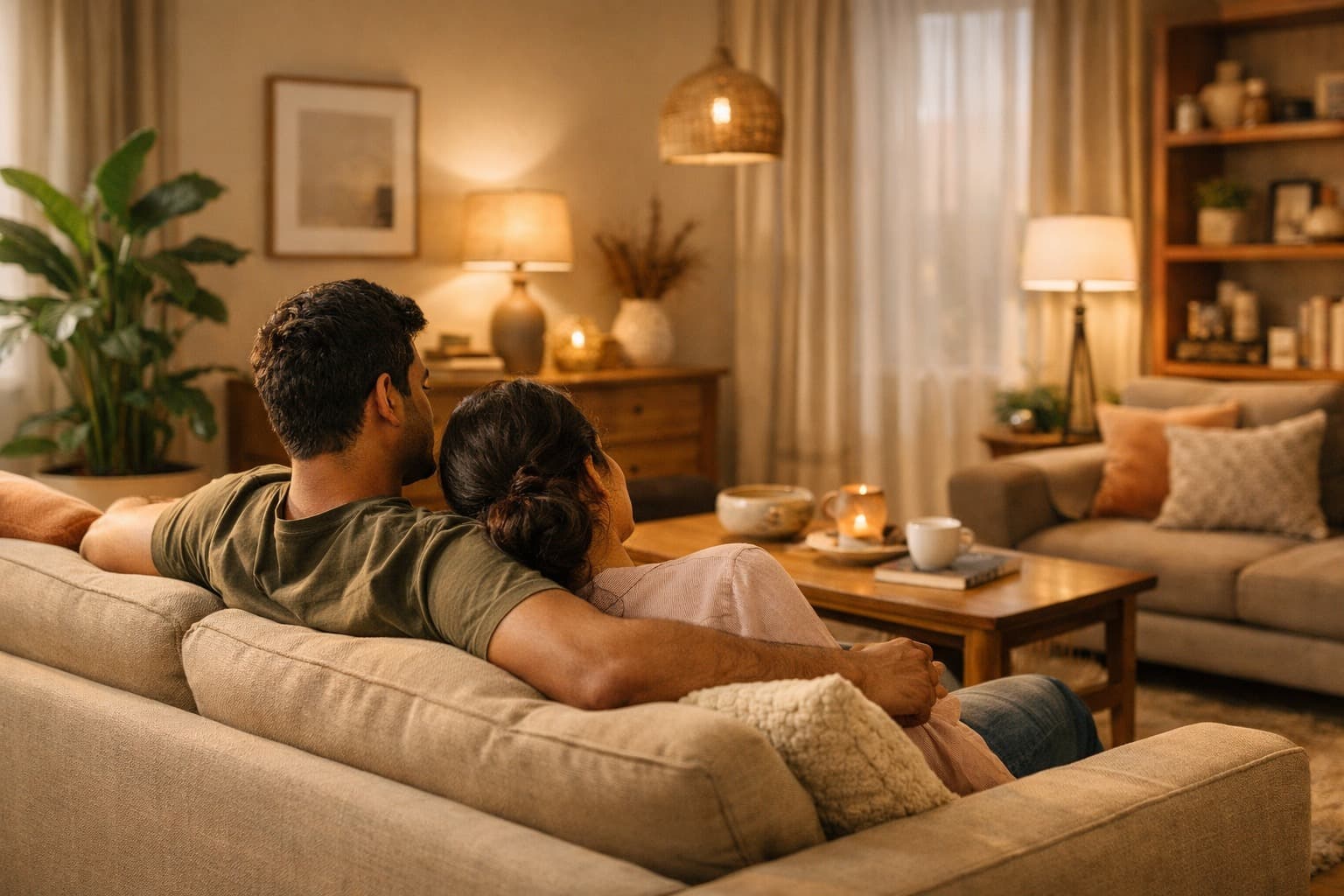
Walk into a room painted deep navy and notice how your shoulders drop slightly. Step into a bright yellow kitchen and feel your energy lift without quite knowing why. This is color psychology in home interior design working on you in real time. The colors you choose for your walls, furnishings and accents are not merely aesthetic decisions. They are emotional ones, and for Indian homebuyers furnishing a new flat or redesigning a lived-in space, understanding this can make the difference between a home that feels right and one that quietly unsettles you.
What Color Psychology Actually Means
Color psychology interior design is the practice of selecting hues deliberately to create specific moods and emotional responses within a space. Research in color theory has mapped particular feelings to each major color and also accounts for variables like how light or dark a shade is, how pure or muted it appears, and how saturated the pigment feels on the eye.
The same blue used in two different ways can feel entirely different. A rich, deeply saturated cobalt reads as bold and commanding. The same blue diluted to a soft powder feels calm and almost weightless. Understanding these distinctions is what separates good interior choices from accidental ones.
The Core Color Map
Each major color carries a dominant emotional signature.
Red communicates power, passion and sensuality. It raises energy in a room and stimulates appetite, which is why it works in dining areas but tends to overstimulate in bedrooms.
Yellow brings warmth, happiness and optimism. It is one of the best choices for kitchens and entryways where you want people to feel immediately welcomed and energised.
Blue creates serenity and calm. It is the most universally recommended color for bedrooms and home offices because it lowers perceived stress and promotes focused, relaxed thinking.
Green speaks to growth, vitality and balance. It connects a space visually to nature, which is particularly valuable in urban Indian flats where greenery outside the window is limited.
Orange delivers creativity and energy. It works well in creative workspaces, children's study corners or dining spaces where you want conversation and warmth rather than quiet contemplation.
Purple suggests intensity and depth. In its darker forms it feels luxurious and dramatic. In softer lavender tones it becomes calming, making it a good bedroom choice for those who find straight blue too cool.
White offers purity and openness. It expands the perception of space and works as the ideal backdrop in smaller rooms or apartments with limited natural light.
Black adds elegance and sophistication. Used sparingly as an accent rather than a dominant tone, it grounds a room and adds visual weight.
Room by Room: What Actually Works
The best wall colors for bedroom living room India vary by how you use each space.
Bedrooms benefit most from soft blues, muted greens, warm whites and gentle lavenders. These colors slow the mind down and signal rest. Avoid reds and bright yellows, which stimulate rather than settle.
Living rooms in Indian homes serve multiple purposes, from family gatherings to occasional work. Warm neutrals, earthy terracottas, sage greens and deep teals all work beautifully here. They are welcoming without being aggressive.
Home offices need colors that balance focus with energy without creating fatigue. Dark green, slate blue and warm brown tones are strong choices. They hold attention without inducing the restlessness that bright orange or red creates during extended work sessions.
Kitchens and dining spaces benefit from warmer, appetite-stimulating tones. Saffron yellow, terracotta, warm red accents and ochre all earn their place here.
Children's rooms work well with pastel versions of primary colors. They are stimulating enough to encourage curiosity without being overwhelming.
The 60-30-10 Rule: How to Apply It
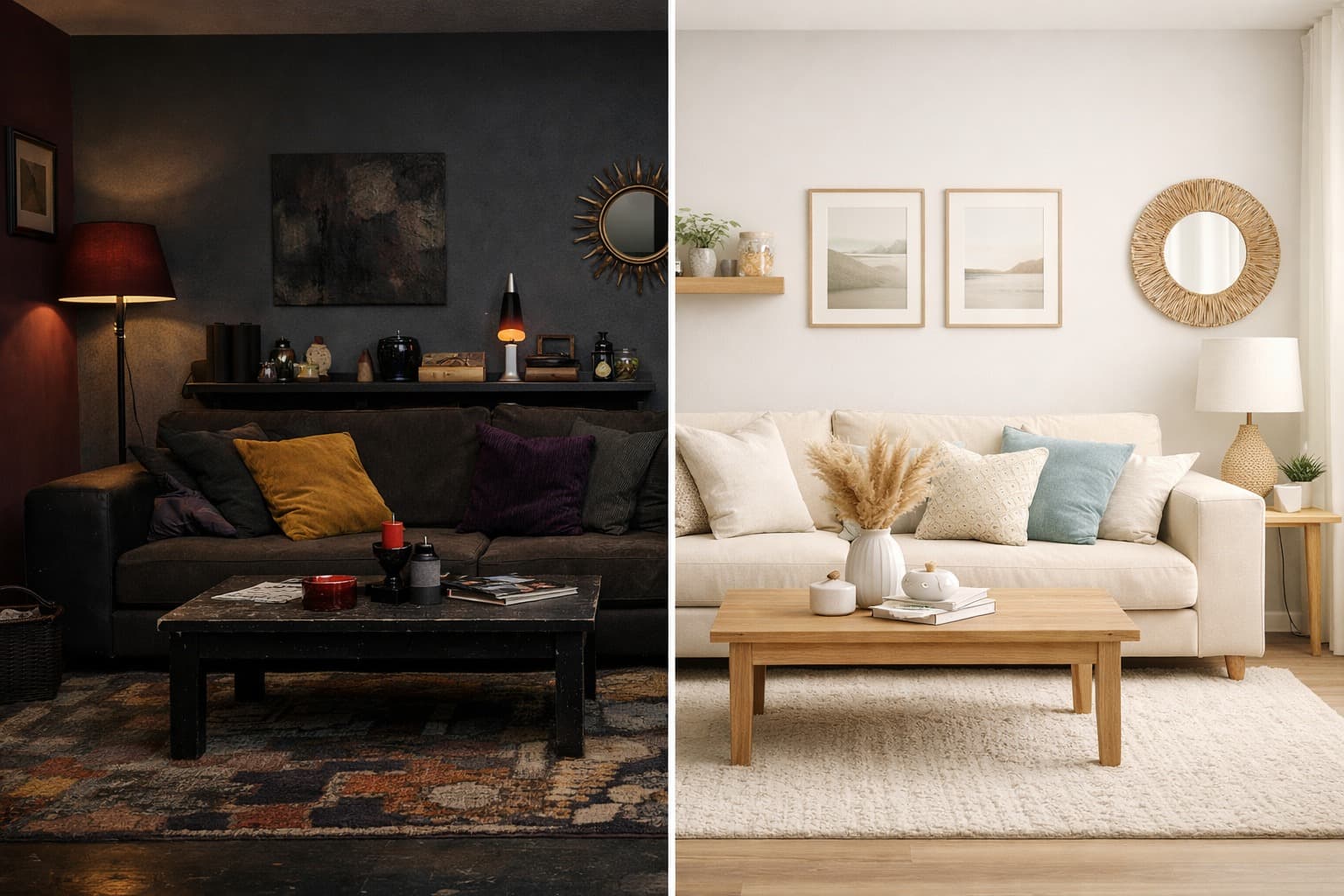
The 60 30 10 color rule interior design is the most practical framework for putting color psychology into practice. Sixty percent of a room should be your dominant color, usually the wall color. Thirty percent should be a secondary color carried through upholstery, curtains and large furniture. The remaining ten percent is your accent, typically cushions, artwork, vases and small objects.
This structure creates visual harmony without making a room feel monochromatic or chaotic. In Indian homes where spaces sometimes serve multiple purposes, this rule also helps define the room's identity even when the furniture arrangement changes.
One Final Tip
Natural light changes how every color behaves. A colour that looks warm and golden in a north-facing showroom can look flat and cold in your east-facing bedroom at noon. Always test paint swatches in the actual room at different times of day before committing. The color you fall in love with in a store may need a warmer undertone to perform the same way in your specific space.
Summary
Color psychology home decor is one of the most underused tools available to Indian homeowners and buyers furnishing new homes. Blue calms, yellow energises, green grounds and red stimulates. How colors affect mood in home decor is consistent enough across people to be genuinely useful as a planning framework. Apply the 60 30 10 color rule interior design structure, test swatches in real light conditions, match your palette to how you actually use each room, and your home will do quiet emotional work on you every single day you live in it.