
Clubhouse Value: Hype or Help in New Residential Projects?
Summary
Explore the real value of clubhouses in residential projects. This post examines whether they are genuine lifestyle enhancers or just developer hype, considering costs, usage, and impact on property value.

Introduction
In recent years, clubhouses have become a standard feature in many new residential projects. Developers prominently advertise large clubhouses with gyms, swimming pools, lounges, and indoor sports facilities. For buyers, this raises an important question: does a clubhouse genuinely improve daily living and property value, or is it mainly a marketing tool? Understanding does a clubhouse really add value in new projects is essential for homebuyers who want to make informed decisions rather than getting influenced by glossy brochures.
What a Clubhouse Typically Includes
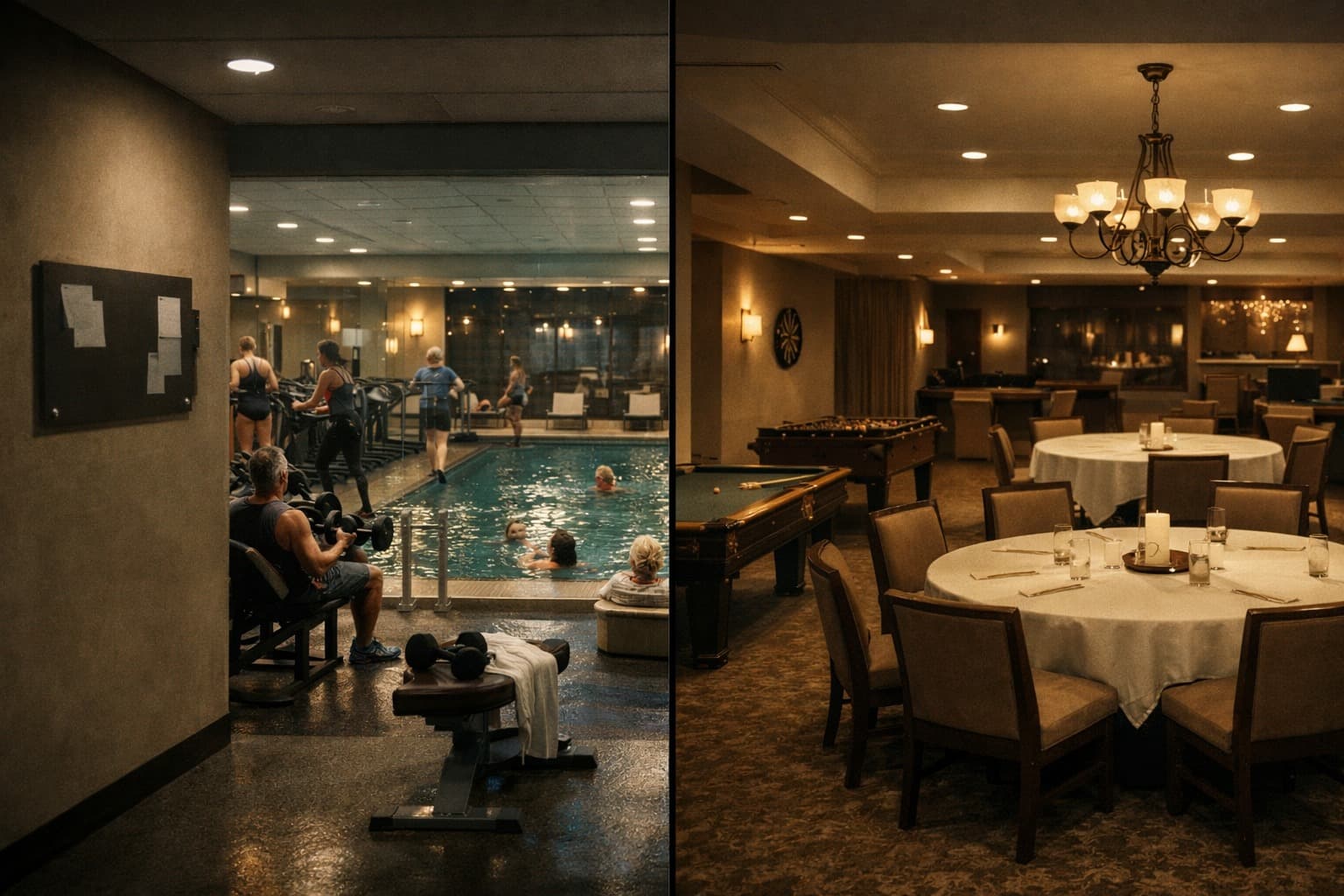
A clubhouse usually serves as a shared recreational and social space within a housing project. Common features include fitness centres, swimming pools, indoor games rooms, party halls, and sometimes co-working areas. In premium developments, clubhouses may also include spas, mini theatres, and cafes. These clubhouse amenities value propositions are designed to create a lifestyle-focused environment within the residential complex.
Why Developers Emphasise Clubhouses
From a developer’s perspective, clubhouses help differentiate one project from another. In competitive markets, amenities become a key selling point. A well-designed clubhouse creates an immediate emotional appeal for buyers during site visits. It also allows developers to position projects as lifestyle-oriented rather than just housing units. This strategy often contributes to perceived value, even if the buyer may not use all facilities regularly.
Practical Value for Daily Living
For residents who actively use facilities, a clubhouse can enhance quality of life. Access to fitness and recreational spaces within walking distance saves time and reduces dependency on external memberships. Families with children and elderly residents benefit from safe indoor and outdoor social spaces. In such cases, clubhouse in residential projects genuinely adds functional value beyond aesthetics.
Maintenance Costs and Long-Term Impact
While clubhouses offer benefits, they also increase maintenance expenses. Large facilities require staffing, utilities, and regular upkeep. These costs are shared by residents through monthly maintenance charges. Buyers must evaluate whether they will use the amenities enough to justify the higher cost. Ignoring this aspect can lead to dissatisfaction after possession, especially in mid-income housing projects.
Usage Patterns Among Residents
In many housing societies, only a portion of residents actively use clubhouse facilities. Gyms and swimming pools often see consistent usage, while banquet halls and indoor games may remain underutilised. This uneven usage raises questions about efficiency. When analysing clubhouse value vs hype in residential projects, understanding real usage patterns is more important than promised features.
Impact on Property Value and Resale
A clubhouse can positively influence resale value, especially in competitive urban markets. Buyers comparing similar properties often prefer projects with better amenities. However, the impact is usually incremental rather than transformational. The impact of clubhouse amenities on property value depends on location, project quality, and maintenance standards rather than the presence of a clubhouse alone.
Rental Demand and Tenant Preferences
From a rental perspective, amenities can make a property more attractive to tenants, particularly young professionals and families. Projects with well-maintained clubhouses may command slightly higher rents. However, tenants rarely pay a significant premium solely for clubhouse access. Location, connectivity, and apartment layout remain the primary drivers of rental demand.
Clubhouses in Affordable vs Premium Projects
In premium housing, clubhouses are often aligned with buyer expectations and lifestyle preferences. Buyers in this segment are more likely to use and value such amenities. In affordable housing, however, large clubhouses may feel unnecessary if they significantly increase costs. Evaluating are clubhouses worth it for homebuyers depends largely on the target buyer segment.
Psychological Appeal and Buyer Perception
Clubhouses create a sense of community and aspiration. Even residents who do not frequently use facilities may appreciate the idea of living in a well-equipped project. This psychological comfort plays a role in purchase decisions. Developers understand this and design clubhouses to enhance the overall image of the project, sometimes beyond practical necessity.

Location vs Amenities Debate
Many experienced buyers prioritise location over amenities. A well-located project with basic amenities often outperforms a poorly located project with an extravagant clubhouse. Accessibility to workplaces, schools, and transport remains more critical in daily life. Amenities should complement location, not compensate for its weaknesses.
Long-Term Sustainability of Clubhouse Facilities
Over time, poorly managed clubhouses can become liabilities rather than assets. High maintenance costs, outdated equipment, and low participation reduce their appeal. Sustainable design and realistic amenity planning are essential. The role of clubhouse in modern housing projects must evolve to balance utility, cost, and long-term relevance.
How Buyers Should Evaluate Clubhouses
Buyers should assess clubhouse size relative to the number of units, expected maintenance charges, and actual facilities offered. Visiting existing projects by the same developer can provide insights into upkeep quality. Understanding rules for access and usage is also important. This practical evaluation helps buyers avoid decisions driven purely by marketing.
Clubhouse as a Lifestyle Choice, Not a Necessity
A clubhouse should be viewed as a lifestyle enhancement rather than a core requirement. For some buyers, it significantly improves living experience. For others, it may remain unused while increasing costs. Recognising this distinction helps answer whether the clubhouse is genuine value or just hype.
Making a Balanced Home Buying Decision
Ultimately, a clubhouse can add value when designed thoughtfully and aligned with resident needs. However, it should never overshadow fundamentals like location, construction quality, and layout. Buyers who evaluate amenities realistically make more satisfying long-term choices.
Summary
Clubhouses can add lifestyle value to residential projects when they are well-designed, regularly used, and properly maintained. They enhance convenience, social interaction, and appeal during resale or rental. However, they also increase maintenance costs and are often underutilised. The real value of a clubhouse depends on buyer needs, project segment, and long-term sustainability. Homebuyers should evaluate clubhouses as optional lifestyle features rather than essential requirements, ensuring that core factors like location and construction quality remain top priorities.
Video will be embedded from: https://www.youtube.com/watch?v=xdV4IjO1A_4