
Carpet Area vs. Built-up Area vs. Super Built-up Area: Key Differences Explained
Summary
Confused about property area measurements? This blog demystifies carpet area, built-up area, and super built-up area, explaining their key differences and impact on pricing. Learn how to make informed decisions and avoid overpaying for your dream home.

Introduction
Understanding property area is one of the most important aspects of buying a home, yet it is also the most confusing for many buyers. Terms such as carpet area, built-up area, and super built-up area are often mentioned in brochures, advertisements, and sale agreements. However, many homebuyers do not fully understand what these terms mean and how they affect pricing and usability. This blog clearly explains the difference between carpet built-up and super built-up area so buyers can make informed and confident property decisions.
Why Area Measurement Matters in Real Estate
The price of a flat is closely linked to its size, which makes property area measurement extremely important. Buyers often assume that a larger quoted area means more living space, which is not always true. Different measurement methods can significantly change the actual usable space inside a home. Understanding real estate area terms helps buyers compare properties accurately, avoid misleading pricing, and assess whether a home truly matches their lifestyle and space requirements.
What Is Carpet Area
Carpet area in real estate refers to the actual usable area inside the flat where furniture can be placed and daily activities take place. It includes bedrooms, living rooms, kitchens, bathrooms, and internal passages. Carpet area does not include the thickness of walls, balconies, verandas, or any common areas. Since this area represents the space you can physically use, carpet area is the most practical measurement for homebuyers.
How Carpet Area Is Calculated
To understand how to calculate carpet area of a flat, measurements are taken from the inner walls of the apartment. Internal partition walls are included, but external walls are excluded. Spaces such as balconies, terraces, lifts, staircases, and common corridors are not part of carpet area. Buyers should always ask for carpet area details because it reflects the actual living comfort and functionality of a flat.

What Is Built-up Area
Built-up area is a broader measurement compared to carpet area. The built-up area calculation includes carpet area plus the thickness of internal and external walls. In many projects, balconies and utility spaces are also included. The difference between carpet and built-up area lies in the inclusion of non-usable spaces such as walls. Built-up area gives an idea of the physical footprint of the apartment but does not fully reflect usable living space.
How Built-up Area Affects Usable Space
Typically, built-up area is about 10 to 20 percent more than carpet area. While this extra space includes walls and balconies, it does not add to daily usability. Buyers often mistake built-up area for livable area, which can lead to disappointment after possession. Understanding this difference helps buyers evaluate whether the quoted size of a flat justifies the price being charged.
What Is Super Built-up Area
The super built-up area meaning goes beyond the apartment itself. Super built-up area includes the built-up area plus a proportionate share of common areas in the building. These common areas may include lobbies, staircases, lifts, corridors, clubhouses, and other shared amenities. Super built-up area is also known as the saleable area and is commonly used by developers to calculate the final price of a flat.
Super Built-up Area Explained Simply
When super built-up area is used, buyers are effectively paying for both private and shared spaces. The proportion of common areas added can vary widely depending on the project. In some developments, super built-up area can be 25 to 40 percent higher than carpet area. While common amenities improve lifestyle, buyers should be aware of how much extra area is being added to the base flat size.
Key Differences between the Three Areas
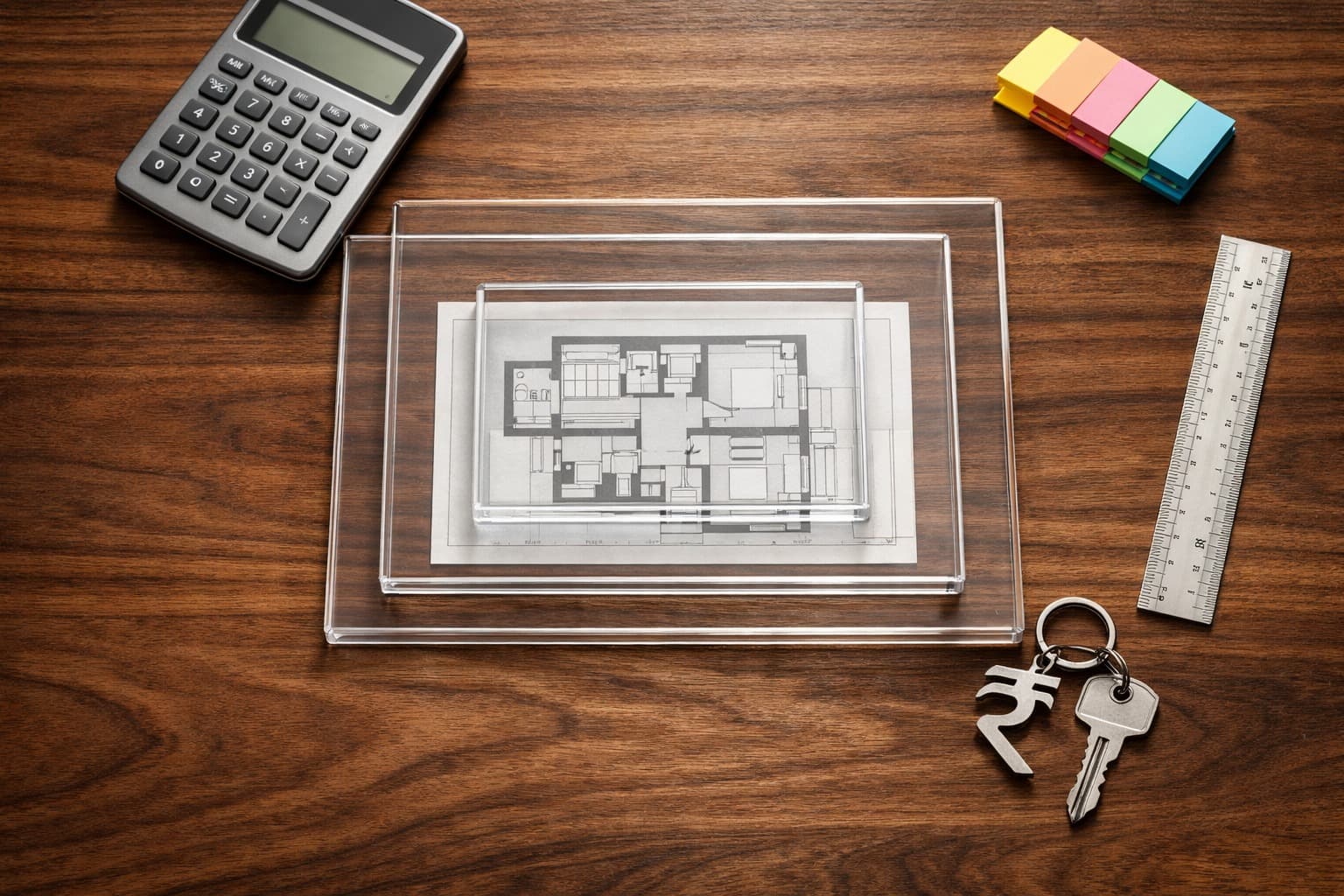
The difference between carpet built-up and super built-up area lies in what each measurement includes. Carpet area shows only usable living space. Built-up area adds walls and balconies. Super built-up area further includes shared spaces and amenities. Each serves a different purpose, but only carpet area gives a true picture of how spacious a flat will feel for daily living.
Impact on Pricing and Cost Comparison
Property prices are usually quoted based on super built-up area, which can make flats appear larger on paper. Two flats with the same super built-up area may have very different carpet areas. Buyers should always calculate the price per square foot based on carpet area to get a fair comparison. Understanding property area calculation for homebuyers helps avoid overpaying for non-usable spaces.
Regulatory Importance and Buyer Protection
Real estate regulations now require developers to clearly disclose carpet area in sale agreements. This move has improved transparency and reduced disputes between buyers and builders. Clear definitions of flat area measurements help buyers know exactly what they are paying for. Regulatory emphasis on carpet area ensures greater fairness in property transactions.
Choosing the Right Area Metric as a Buyer
For decision-making, buyers should prioritize carpet area while also understanding built-up and super built-up figures. Carpet area defines comfort, built-up area shows construction footprint, and super built-up area explains pricing structure. A clear understanding of all three helps buyers select homes that meet both budget and space expectations without confusion.
Summary
Carpet area, built-up area, and super built-up area are three important but different property measurements. Carpet area represents actual usable living space, built-up area includes walls and balconies, and super built-up area adds shared amenities. Since pricing is often based on super built-up area, buyers must understand these differences clearly. Focusing on carpet area while comparing flats helps homebuyers make transparent, informed decisions and avoid paying extra for non-usable spaces.