
Carpet Area, Built-up Area & Super Built-up Area: Understanding the Real Space You Pay For
Summary
Confused by property sizes? Learn the difference between carpet, built-up, and super built-up area to make informed home buying decisions. Focus on usable space, not just advertised numbers!

Introduction
When buyers search for a new home, the first number that catches their attention is usually the flat size. A larger number feels like better value. However, in Indian real estate, flat size is not a single, simple concept. Builders use different area terms, and each represents something very different. Many first-time buyers realise this difference only after possession, when the usable space feels smaller than expected. To make informed decisions, buyers must clearly understand carpet area, built-up area, and super built-up area.
Why Area Definitions Create Confusion
Real estate pricing is closely linked to area measurements, but buyers and developers often speak different languages. Developers highlight larger area figures for marketing appeal, while buyers assume these numbers reflect livable space. This gap creates misunderstanding. Area definitions exist to separate private space from shared and structural space. Without knowing what each term includes, buyers may compare properties incorrectly and misjudge true value.
What Carpet Area Actually Means
Carpet area refers to the space inside a home that can be used for daily living. It includes bedrooms, living rooms, kitchen, bathrooms, and internal passages. This is the area where furniture can be placed and daily life happens. Carpet area does not include wall thickness, balconies, terraces, or common areas. From a buyer’s perspective, this is the most meaningful measurement because it defines actual comfort and usability.
Why Carpet Area Matters Most to Buyers
Two flats may be advertised with different sizes, yet offer similar usable space. This happens because carpet area may be almost the same even when other area figures differ. Buyers who focus on carpet area can accurately compare homes across projects. This prevents overpaying for space that cannot be exclusively used. In practical terms, carpet area determines how spacious a home feels, not the number shown in advertisements.
Understanding Built-up Area
Built-up area goes beyond usable space. It includes the carpet area plus the thickness of internal and external walls. In some cases, balconies or utility spaces attached to the flat may also be counted. Built-up area is larger than carpet area, but it does not represent livable space fully. Walls occupy this area, but they do not contribute to day-to-day functionality. This distinction is often overlooked during property discussions.
How Built-up Area Is Used by Developers
Builders use built-up area to explain construction footprint rather than lifestyle space. It helps them calculate construction cost and structural planning. However, when buyers assume built-up area equals usable area, disappointment follows. Understanding this difference helps buyers manage expectations and assess whether the layout is efficient rather than simply large on paper.
What Super Built-up Area Includes
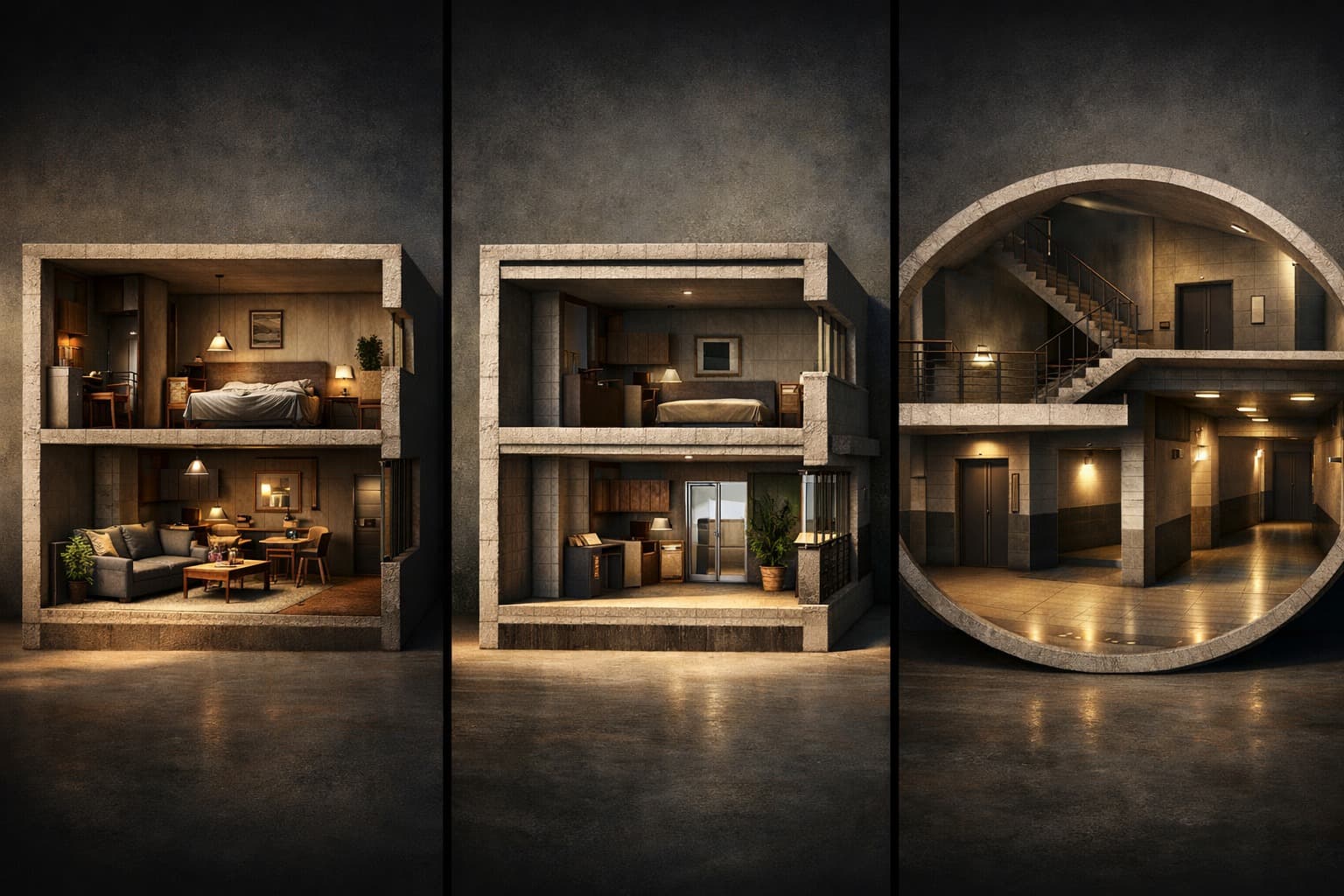
Super built-up area is the broadest measurement and includes more than just the flat. It consists of the built-up area plus a proportionate share of common facilities such as lobbies, staircases, lifts, corridors, security rooms, and sometimes clubhouses. These are shared spaces that residents use collectively. Buyers do not own these areas individually, yet their cost is distributed among all units.

The Concept of Loading in Super Built-up Area
The difference between built-up area and super built-up area comes from loading. Loading represents the percentage added to account for shared spaces. Higher loading increases the quoted flat size without increasing private space. Two flats with the same carpet area can appear very different in size due to different loading percentages. This is where the “hidden maths” of real estate pricing comes into play.
Why Super Built-up Area Can Be Misleading
Super built-up area is often used for price calculation, which can distort comparisons. Buyers may feel they are getting a larger flat, while in reality, only common area allocation has increased. High loading does not always mean better amenities. Buyers should question how much of the quoted area is actually usable and how much is shared.
Carpet Area vs Built-up Area in Real Buying Decisions
When comparing flats, carpet area should be the starting point. Built-up area helps understand structural design, but carpet area determines comfort. A well-planned flat with efficient carpet area often feels more spacious than a poorly designed flat with higher built-up numbers. Buyers who prioritise layout efficiency make better long-term choices.
Role of Regulation in Improving Transparency
Regulatory frameworks now emphasise carpet area disclosure to protect buyers. Developers are required to clearly state carpet area, reducing ambiguity. This shift encourages fair comparison and limits misleading size claims. However, buyers should still ask for detailed area breakups to fully understand what they are paying for.
Practical Example for Buyers
Imagine two apartments priced similarly. One shows a larger super built-up area but offers nearly the same carpet area as the other. The difference lies in loading. Without checking carpet area, buyers may assume better value where none exists. This example highlights why understanding area definitions is essential before finalising a purchase.
Common Buyer Mistakes Around Area
Many buyers calculate price per square foot using super built-up area, which inflates perceived value. Others assume balconies are part of carpet area. Some buyers never ask for carpet area at all. These mistakes lead to confusion and dissatisfaction later. Awareness is the simplest way to avoid them.
How Buyers Should Evaluate Flat Size Correctly
Buyers should request a clear breakup of carpet, built-up, and super built-up areas. Comparing carpet area across projects ensures fairness. Layout efficiency, room proportions, and storage space matter more than headline size. A smaller but well-designed carpet area often delivers better living comfort.
Long-Term Impact on Living Experience and Resale
Usable space affects daily life, storage, furniture placement, and movement. Over time, buyers value practicality over numbers. Resale buyers also focus on livable space rather than advertised size. Flats with better carpet area efficiency generally retain demand more effectively.
Final Guidance for Homebuyers
Understanding area terminology is not technical knowledge; it is buyer protection. Asking the right questions helps buyers avoid marketing traps and choose homes that genuinely meet their needs. Real value lies in how a home functions, not how large it appears in brochures.
Summary
Carpet area, built-up area, and super built-up area represent different aspects of a home’s size. Carpet area defines usable living space, built-up area includes structural components, and super built-up area adds shared common spaces. Buyers should focus on carpet area and layout efficiency rather than headline figures. Clear understanding of these terms prevents overpayment, improves comparison, and leads to more satisfying homeownership decisions.
Video will be embedded from: https://www.youtube.com/watch?v=8m4dYzVFTxc