
Buying Under Construction Property in India: Pros, Cons, Risks & Buyer's Guide
Summary
Buying under-construction property in India offers affordability and modern amenities but carries risks like delays. This guide explores the pros, cons, risks, and provides a buyer's guide to make informed decisions.

1. Introduction
For most homebuyers in India, choosing between a ready apartment and an unfinished one can be confusing. An under construction property attracts buyers with its lower price, easy payment plans, and modern layouts. At the same time, many people hesitate because of delays, uncertainty, and financial risks. If you are wondering, “Should I buy under construction property in India?”, this guide simplifies the entire decision-making process. Here, we explore the real advantages, limitations, and hidden risks so you can decide wisely.
2. Why Under-Construction Properties Appeal to Modern Buyers
A major reason buyers are drawn to such homes is affordability. Prices are usually lower during the earlier stages of development, making it easier to enter the real estate market. For people comparing ready vs under construction homes, the cost difference alone can be convincing.Developers of new projects generally introduce better architecture, fresh amenities, and smarter space planning. Buyers also appreciate the ability to make small custom choices. In many projects, you can pick finishes, colours, or even preferred units early on. This sense of involvement makes first-time buyers feel more connected to their purchase.
3. Pros of Buying an Under-Construction Flat
Understanding the pros and cons of under construction flats helps you evaluate the option clearly. Here are the major benefits:
1. Lower initial investment
You don’t have to pay the entire amount at once. Payments are usually linked to construction progress, reducing financial pressure.
2. Better appreciation potential
As the project and the surrounding neighbourhood develop, the value of the property tends to increase. Many investors choose under-construction homes purely for this reason.
3. Modern amenities and newer designs
Builders offer upgraded facilities—clubhouses, wider open spaces, energy-efficient features, and improved construction technology.
4. More choices
You can usually select floors, views, locations within the building, or specific layouts before everything gets sold out.
These advantages make under-construction homes attractive for long-term buyers looking for value and flexibility.
4. The Hidden Risks Every Buyer Should Know
While the benefits are tempting, the risks deserve equal attention. In recent years, many buyers have asked, “What are the risks of buying under construction property?” Some of the most common ones include:
1. Delayed possession
This is the biggest concern. Even regulated projects sometimes take longer due to material shortages, legal approvals, or financial issues faced by the builder.
2. Financial pressure during delays
If the project gets delayed, you may have to pay rent and EMIs at the same time. This becomes stressful for many families.
3. Changes in final quality
The delivered flat may not always match the sample flat or brochure. Material changes, minor layout adjustments, or finish differences are common complaints.
4. Regulatory issues
Projects without proper approvals or RERA compliance can lead to long-term legal trouble.
Understanding these risks early can save you from unexpected stress later.
5. Under Construction vs Ready-to-Move: A Clear Comparison
For buyers comparing under construction vs ready-to-move, here is a balanced view:

Ready homes give you clarity—you see what you get, move in immediately, and avoid construction uncertainty.
Under-construction homes, however, offer better pricing, flexible payments, and newer amenities.
If timing is important or you dislike uncertainty, ready properties may suit you better. If appreciation and long-term planning matter more, under-construction homes offer more value.
6. What to Check Before Buying
Before making a commitment, you must know what to check before buying an under-construction property in India. Here are the essentials:
RERA registration and approval documentsThis protects you from legal complications and ensures project transparency.
Builder reputation and track recordCheck past delivery timelines, construction quality, and customer reviews.
Construction-linked payment planMake sure payments are tied to milestones and not fixed calendar dates.
Possession timeline and penalty clausesRead the agreement carefully to ensure compensation for delays.
Bank approvalsProjects financed by reputed banks are usually safer.
This checklist works as a simple homebuyer guide for under construction projects and helps you verify the project before investing.
7. A Step-by-Step Evaluation Guide for Indian Homebuyers
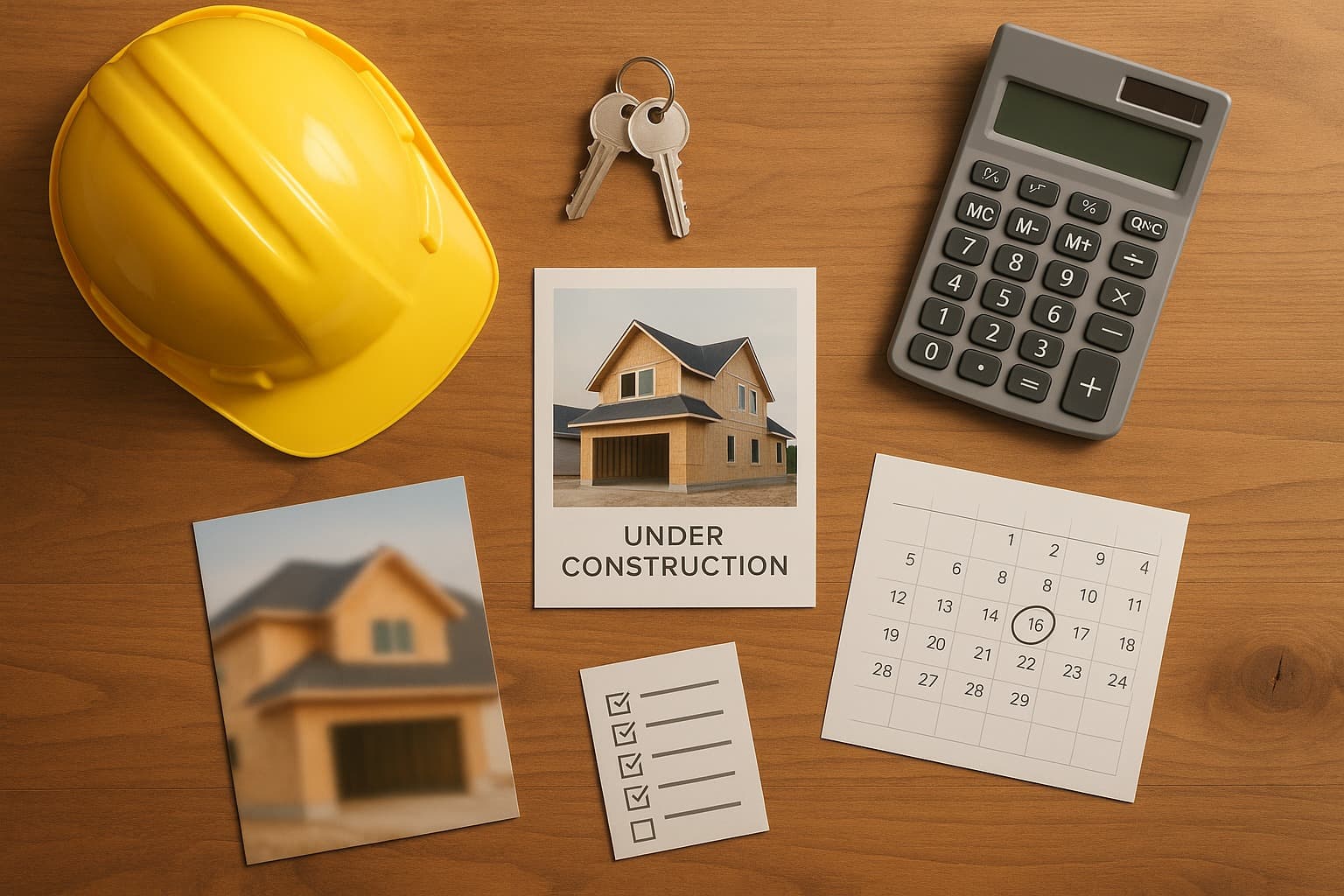
To make this process easier, here is a step-by-step guide to evaluating under construction real estate projects:
Step 1: Research the location
Assess infrastructure, upcoming developments, and rental demand.
Step 2: Evaluate the developer
Study financial stability, past projects, and online reviews.
Step 3: Inspect the site
Do not rely only on brochures. Visit the location personally.
Step 4: Review all approvals
Including land ownership, environmental clearance, and RERA.
Step 5: Understand all costs
GST, parking, club charges, maintenance deposits, and registration fees.
Step 6: Track progress
After booking, regularly check monthly or quarterly updates from the builder.
Following these steps ensures your investment stays transparent and secure.
8. How to Avoid Risks When Investing
Many buyers ask how to reduce exposure when investing in an unfinished home. Here are some practical home buying tips:
Choose builders with strong financial backing.
Avoid projects that offer unusually low pre-launch prices.
Keep a buffer for potential delays.
Document everything in writing—verbal promises should never be trusted.
Make payments only through official channels.
Hire a legal expert to verify the agreement.
These under construction property buying tips for Indian homebuyers help ensure that your investment remains safe and stress-free.
9. Should You Buy an Under-Construction Flat? A Balanced View
If you want affordability, appreciation potential, and modern designs, an under-construction flat is a strong option. It makes sense for buyers who have time and do not require immediate possession.However, if your priority is certainty, speed, and minimal risk, a ready property may suit you better. Understanding both sides allows you to make a confident and realistic decision. This guide aims to answer a common question: Should you buy an under-construction flat? Pros, cons and risks explained clearly to help you decide.
Summary
Buying an under construction property offers benefits like lower prices, flexible payments, and modern facilities, but it also brings risks such as delays and uncertain quality. By checking RERA registration, evaluating the builder, reviewing all approvals, and understanding payment plans, buyers can reduce risks effectively. This blog breaks down the pros and cons of under construction flats, explains what to check before buying an under-construction property in India, and provides simple steps to make a safe and informed decision for Indian homebuyers.