
Buying a Home Near a Flyover or Metro Depot: Advantages and Disadvantages
Summary
Buying near flyovers or metro depots offers great connectivity and investment potential but also presents challenges like noise and pollution. This guide helps Indian homebuyers weigh the pros and cons for informed decisions.

Flyover ya Metro Depot Ke Paas Ghar Lena – Faida ya Nuksan?
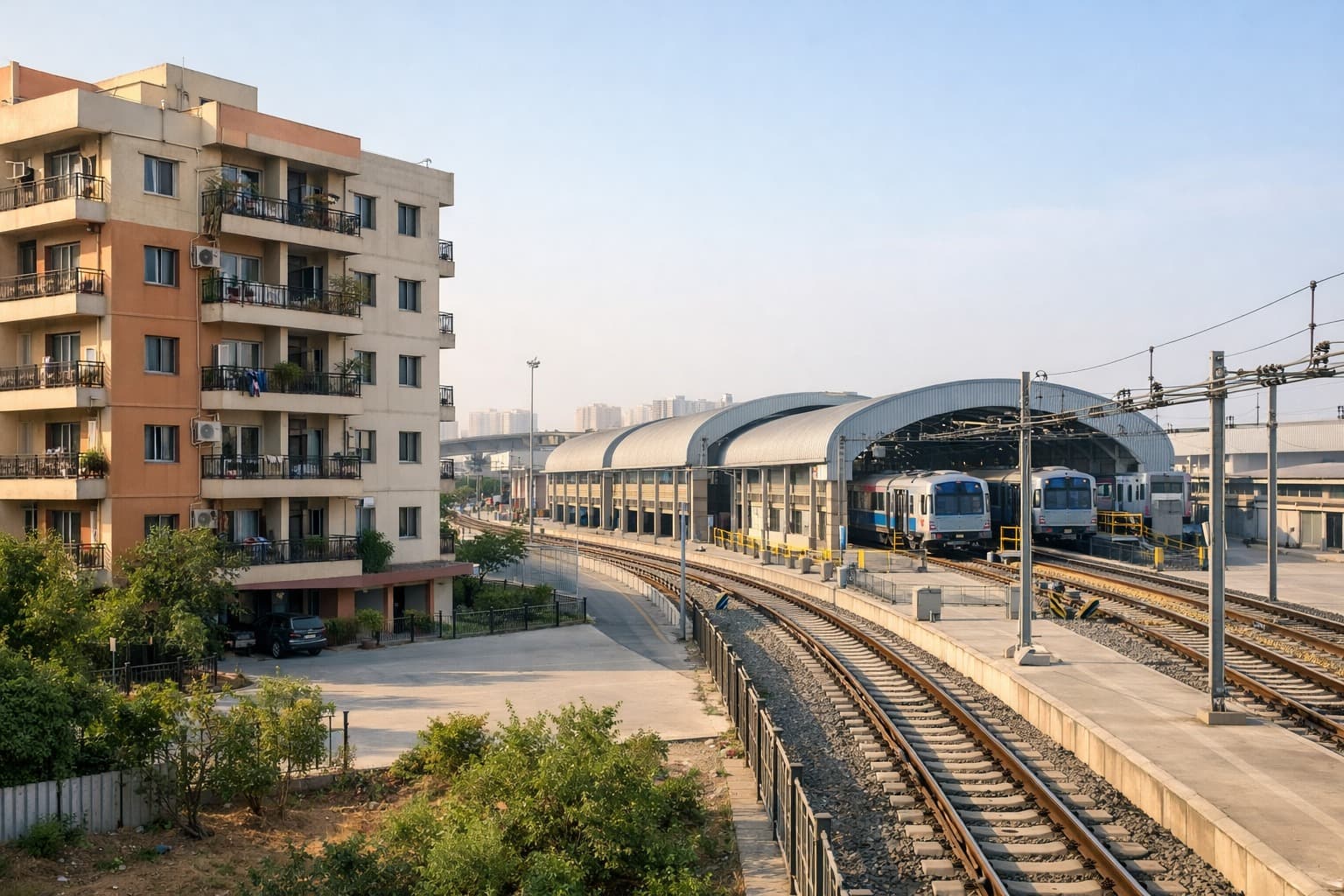
Introduction Urban India is changing fast, and transport projects are now shaping how cities grow. Flyovers, metro lines, and depots are built to reduce congestion and improve daily travel. For homebuyers, this development brings a common question: should you buy a house near a flyover or a metro depot? Some see opportunity, while others worry about daily inconvenience. Understanding how metro depot housing and flyover nearby property affect lifestyle, finances, and long-term value is essential before making a decision.
Why Infrastructure Influences Housing Choices
Transport projects directly impact urban infrastructure homes. Areas once considered remote suddenly become well connected. Better roads and metro access shorten commute time and attract new residents. This demand often pushes prices upward. At the same time, infrastructure can change the local environment. Traffic zone real estate behaves differently from quieter residential pockets. Homebuyers must evaluate both growth potential and daily comfort when infrastructure is close to their property.
Connectivity and Daily Convenience
One of the strongest reasons buyers consider buying home near flyover or metro projects is connectivity. Easy access to major roads or metro stations reduces dependence on private vehicles. For working professionals, this saves time and stress. Connectivity driven property value is a real factor in Indian cities, where commute time heavily affects quality of life. Homes near metro lines often appeal to tenants, improving rental demand and occupancy rates.
Property Value and Investment Perspective
From an investment angle, infrastructure impact on property is usually positive over the long term. Metro announcements often increase land prices even before construction is complete. Once operational, surrounding areas attract offices, retail, and social infrastructure. However, being too close to a depot or flyover may limit appreciation compared to properties slightly farther away. Investors should study local development plans and not rely only on current hype.

Noise, Pollution, and Health Concerns
Living close to major transport corridors has drawbacks. Noise pollution real estate is a serious concern near flyovers and depots. Continuous traffic, announcements, and maintenance work can disturb daily life. Air quality may also be affected due to vehicle emissions. Families with children or elderly members should assess ventilation, building orientation, and soundproofing features before choosing such locations.
Lifestyle and Social Environment
The surrounding environment matters as much as the house itself. Flyover nearby property may face restricted pedestrian movement and limited open spaces. Metro depot areas often have service roads and commercial activity, which can reduce residential calm. On the other hand, some urban infrastructure homes benefit from better lighting, security presence, and active neighbourhoods. Buyers should visit the area at different times of the day to understand real conditions.
Legal and Planning Aspects to Verify
Before finalising a house near metro depot, legal checks are critical. Verify zoning rules, buffer distance norms, and future expansion plans. Some depots may expand tracks or facilities later, increasing disruption. Municipal development plans reveal whether more flyovers or roads are proposed nearby. Things to check before buying home near flyover include building approvals, noise compliance certificates, and right-of-way issues.
Rental Demand and Resale Potential
Rental markets respond strongly to transport access. Is it good to live near metro depot from a tenant’s view? Often yes, especially for students and working professionals. Such homes see steady demand, supporting rental yields. However, resale buyers may negotiate harder due to perceived disadvantages. Pros and cons of buying house near flyover must be weighed against the target buyer profile in that area.
Balancing Location and Livability
Choosing between convenience and comfort is a personal decision. Some buyers prioritise fast travel and accept noise as a trade-off. Others prefer peace even if commute time increases. Impact of metro projects on residential property is not uniform; distance, building design, and local planning all matter. A balanced choice usually lies slightly away from the main structure but close enough to enjoy connectivity benefits.
Conclusion
Flyovers and metro depots are symbols of progress, but they bring mixed outcomes for homeowners. While connectivity driven property value and rental demand are strong advantages, lifestyle factors cannot be ignored. A careful site visit, technical checks, and long-term vision help buyers decide wisely. Urban growth will continue, but informed decisions ensure that infrastructure enhances life rather than disrupting it.
Summary
Buying a home near a flyover or metro depot offers both benefits and challenges for Indian homebuyers. Strong connectivity improves daily travel, rental demand, and long-term property value. However, issues like noise, pollution, and reduced residential calm must be carefully assessed. Legal checks, area visits, and understanding future infrastructure plans are essential. A balanced approach helps buyers enjoy urban growth benefits without compromising comfort, health, or long-term investment security in evolving city environments.