
Year-Ender 2025: Redevelopment, Self-Redevelopment, and Senior Living Reshaping Maharashtra’s Housing Policy
Summary
Maharashtra's 2025 housing policy prioritizes redevelopment, self-redevelopment, and senior living to address urban challenges and social needs. This shift promotes sustainable growth, empowers communities, and ensures inclusive housing solutions for an aging population.

Introduction
As 2025 draws to a close, Maharashtra’s housing policy has revealed a clear shift in priorities. Instead of focusing only on new construction, the state has placed renewed emphasis on redevelopment, self-redevelopment, and senior living housing models. These changes reflect evolving urban realities such as land scarcity, ageing housing stock, and demographic shifts. The policy direction signals a long-term approach to housing that balances urban renewal with social needs.
Why Housing Policy Focus Has Changed
Maharashtra’s major cities are largely built out. Large parcels of vacant land are limited, especially in established urban areas. At the same time, many residential buildings constructed decades ago are structurally outdated. The housing policy has responded to this reality by encouraging renewal of existing spaces rather than outward expansion. This approach improves safety, infrastructure efficiency, and housing supply without increasing urban sprawl.
Redevelopment as a Key Urban Solution
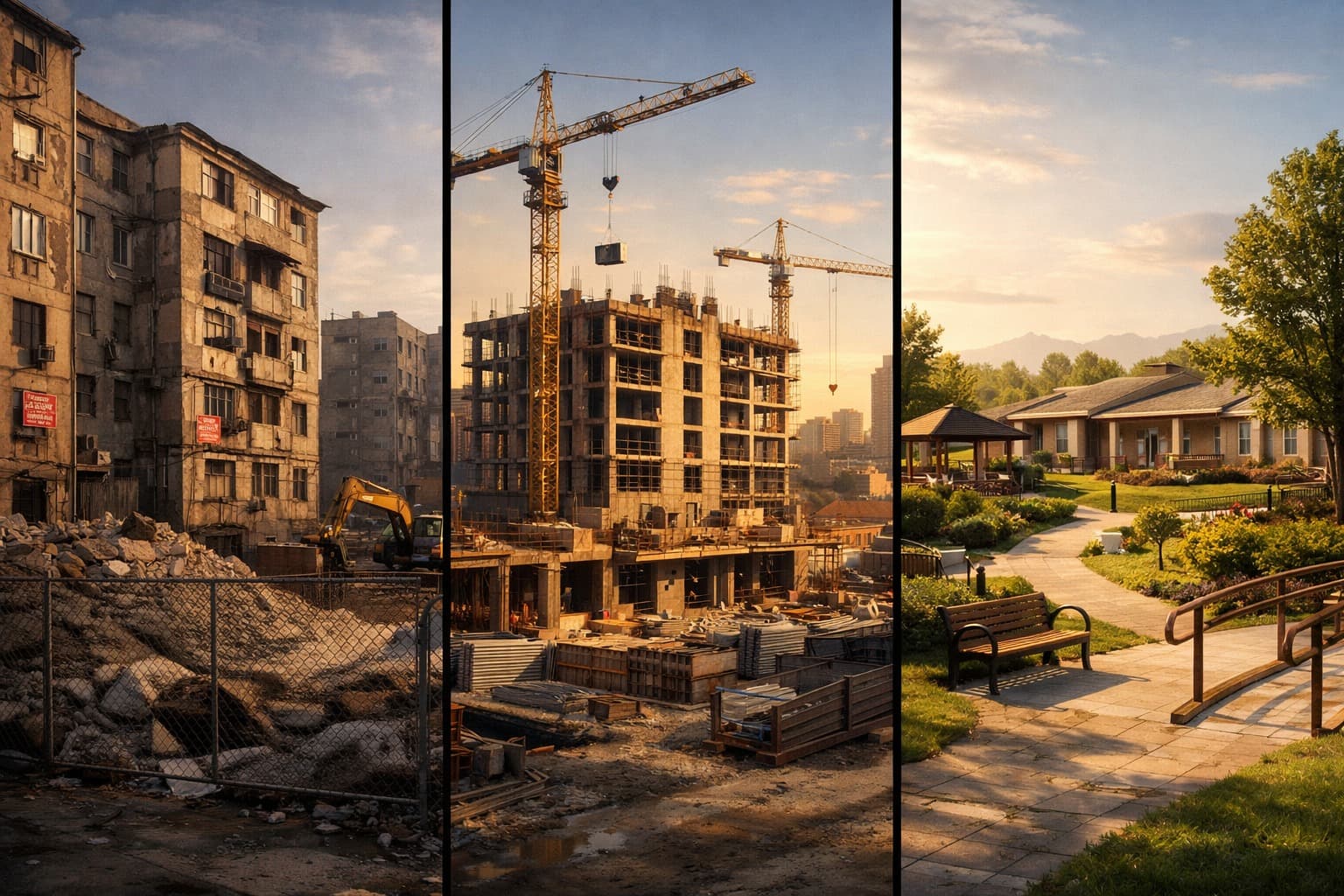
Redevelopment has emerged as a central pillar of housing strategy. It involves rebuilding old residential structures to meet modern safety, design, and compliance standards. Redevelopment improves building quality, increases usable space, and upgrades civic infrastructure. For cities like Mumbai, redevelopment offers one of the few viable ways to add housing stock while preserving location advantages.
Benefits of Redevelopment for Residents
Redevelopment allows existing residents to receive new homes in the same locality, often with improved layouts and amenities. Structural safety, lift access, fire compliance, and better utilities significantly improve living conditions. Residents benefit from enhanced lifestyle without relocating far from established social networks. This continuity is a major advantage over relocation-based housing models.
Challenges in Traditional Redevelopment Models
Despite its benefits, traditional redevelopment often faces delays due to financial constraints, coordination challenges, and dependence on private developers. Disputes between residents and developers over timelines or benefits can slow projects. These challenges have led policymakers to explore alternative approaches that give residents more control over the process.
Rise of Self-Redevelopment in Maharashtra
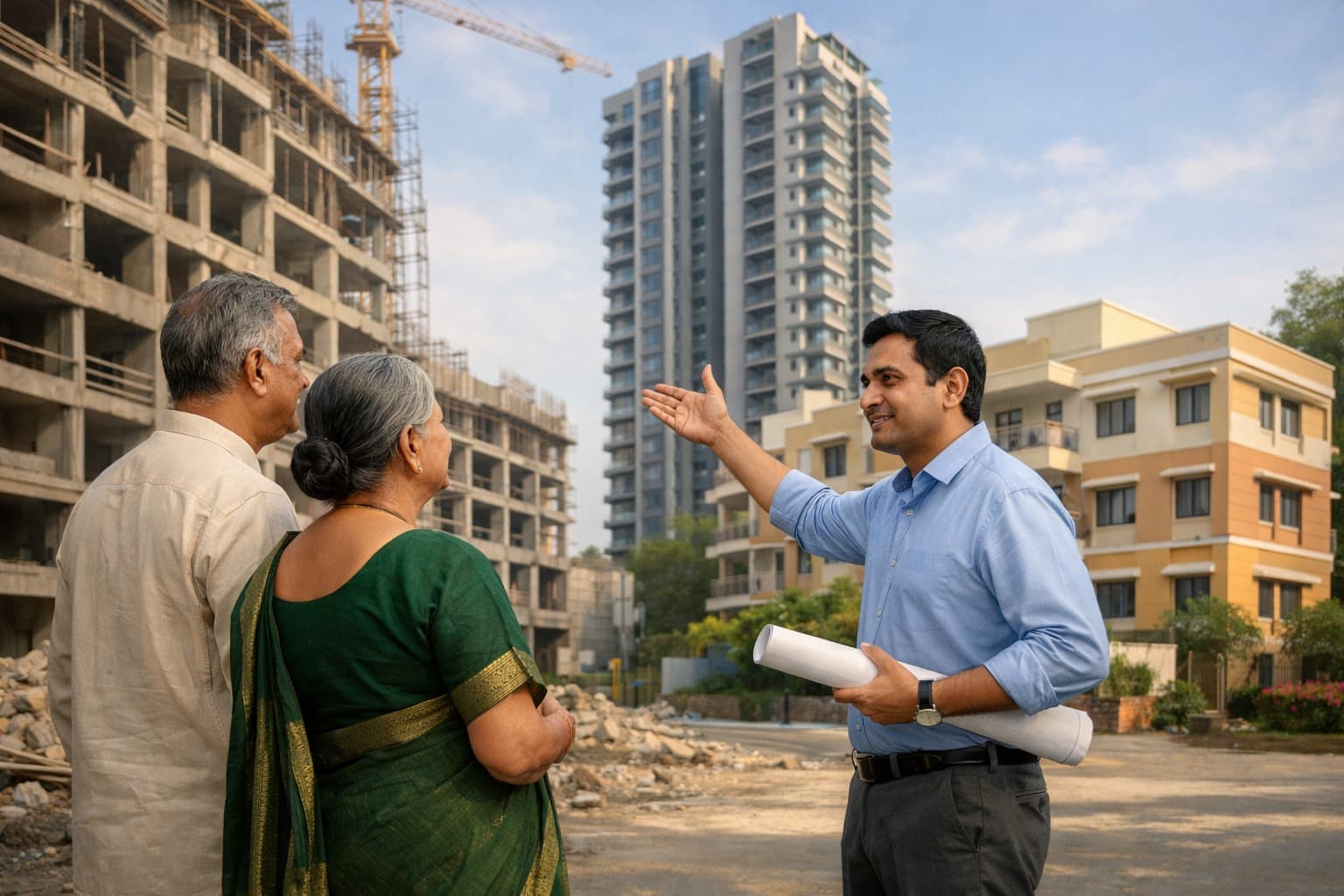
Self-redevelopment has gained policy attention as an alternative to developer-led projects. In this model, housing societies manage redevelopment independently or with professional support. Residents collectively finance and control the redevelopment process. This approach reduces dependency on external developers and increases transparency in cost and timelines.
Why Self-Redevelopment Is Gaining Support
Self-redevelopment aligns with the idea of community ownership and accountability. Housing societies can customise projects according to actual needs rather than commercial priorities. Policy support, financial mechanisms, and technical guidance have made self-redevelopment more feasible. This model is especially relevant for cooperative housing societies with strong internal governance.
Financial and Institutional Support for Self-Redevelopment
The policy framework has acknowledged the need for institutional backing. Access to financing, technical consultants, and approval facilitation plays a crucial role. Without support systems, self-redevelopment can become complex. Policy emphasis indicates recognition that empowering residents requires more than legal permission; it requires practical enablers.
Senior Living Emerges as a Policy Priority
Another significant focus in 2025 has been senior living housing. Maharashtra’s ageing population has created demand for homes designed specifically for senior citizens. Traditional housing often fails to address accessibility, healthcare access, and community needs of older residents. Senior living developments aim to fill this gap.
Understanding Senior Living Housing
Senior living housing is not limited to retirement homes. It includes age-friendly design, healthcare support, safety features, and social engagement spaces. The policy focus recognises that senior citizens need independence with support, not isolation. Properly planned senior living communities improve quality of life and reduce dependence on family-based housing arrangements.
Why Senior Living Matters in Urban Planning
Urban housing policies must adapt to demographic change. As life expectancy increases, the number of senior households grows. Dedicated senior living reduces pressure on conventional housing and healthcare systems. Integrating senior living into housing policy reflects a more inclusive and forward-looking approach to urban development.
Balancing Redevelopment and Social Needs
The 2025 housing policy signals a shift from volume-driven housing to need-driven housing. Redevelopment addresses physical infrastructure issues, while senior living addresses social and demographic needs. Together, these approaches create a more balanced housing ecosystem. This balance is essential for long-term urban sustainability.
Impact on Housing Supply and Density
Redevelopment and self-redevelopment can increase housing density without expanding city boundaries. Efficient land use supports better infrastructure planning and public service delivery. When combined with proper regulation, higher density does not compromise livability. Policy emphasis suggests a controlled approach to density growth.
Role of Regulation and Governance
Effective implementation depends on clear regulatory frameworks. Redevelopment and self-redevelopment require coordination between housing societies, authorities, and financial institutions. Transparent processes reduce disputes and delays. Policy focus on these areas indicates intent to strengthen governance rather than rely solely on market forces.
What This Means for Homebuyers
For homebuyers, these policy changes expand future housing options. Redeveloped projects often offer prime locations with modern living standards. Senior living provides dedicated solutions for ageing family members. Buyers should understand these models to align purchases with long-term needs rather than short-term trends.
Implications for Housing Societies
Housing societies play a more active role under this policy direction. Decision-making, financial planning, and collective responsibility become important. Societies that adapt to these models can improve asset value and resident safety. Awareness and preparedness will determine success.
Long-Term Vision Behind the Policy
The 2025 housing policy reflects a shift from expansion to optimisation. Instead of building outward, the focus is on improving what already exists. Redevelopment, self-redevelopment, and senior living together form a framework for resilient urban housing. This vision supports sustainable growth and social inclusion.
Final Perspective
Maharashtra’s housing policy in 2025 marks a transition toward thoughtful urban renewal. By prioritising redevelopment, empowering housing societies, and addressing senior housing needs, the policy acknowledges real urban challenges. The success of this approach will depend on execution, collaboration, and continued regulatory clarity.
Summary
The Maharashtra Housing Policy in 2025 placed redevelopment, self-redevelopment, and senior living at the centre of its strategy. Redevelopment addresses ageing housing stock, self-redevelopment empowers housing societies, and senior living responds to demographic change. Together, these priorities reflect a shift toward sustainable, inclusive urban housing. The policy signals long-term planning focused on renewal rather than expansion, offering safer homes, better infrastructure, and housing solutions aligned with evolving social needs.
Video will be embedded from: https://www.youtube.com/watch?v=VPcJkcT9jDY