
Wall Inspection: Identifying and Addressing Cracks, Dampness & Leakage
Summary
Learn to identify and address wall issues like cracks, dampness, and leakage through careful inspection. Early detection and proper solutions ensure structural integrity, health, and long-term cost savings.

Introduction
Walls protect a building from weather, moisture, and structural stress. When walls develop cracks, damp patches, or leakage marks, they signal deeper issues. Ignoring early signs can lead to serious damage, health risks, and costly repairs. A proper inspection helps identify whether the issue is cosmetic or structural. This guide explains how to inspect walls carefully, understand warning signs, and decide the right corrective steps using a systematic approach focused on wall inspection, safety, and durability.
Understanding Wall Cracks and Their Meaning
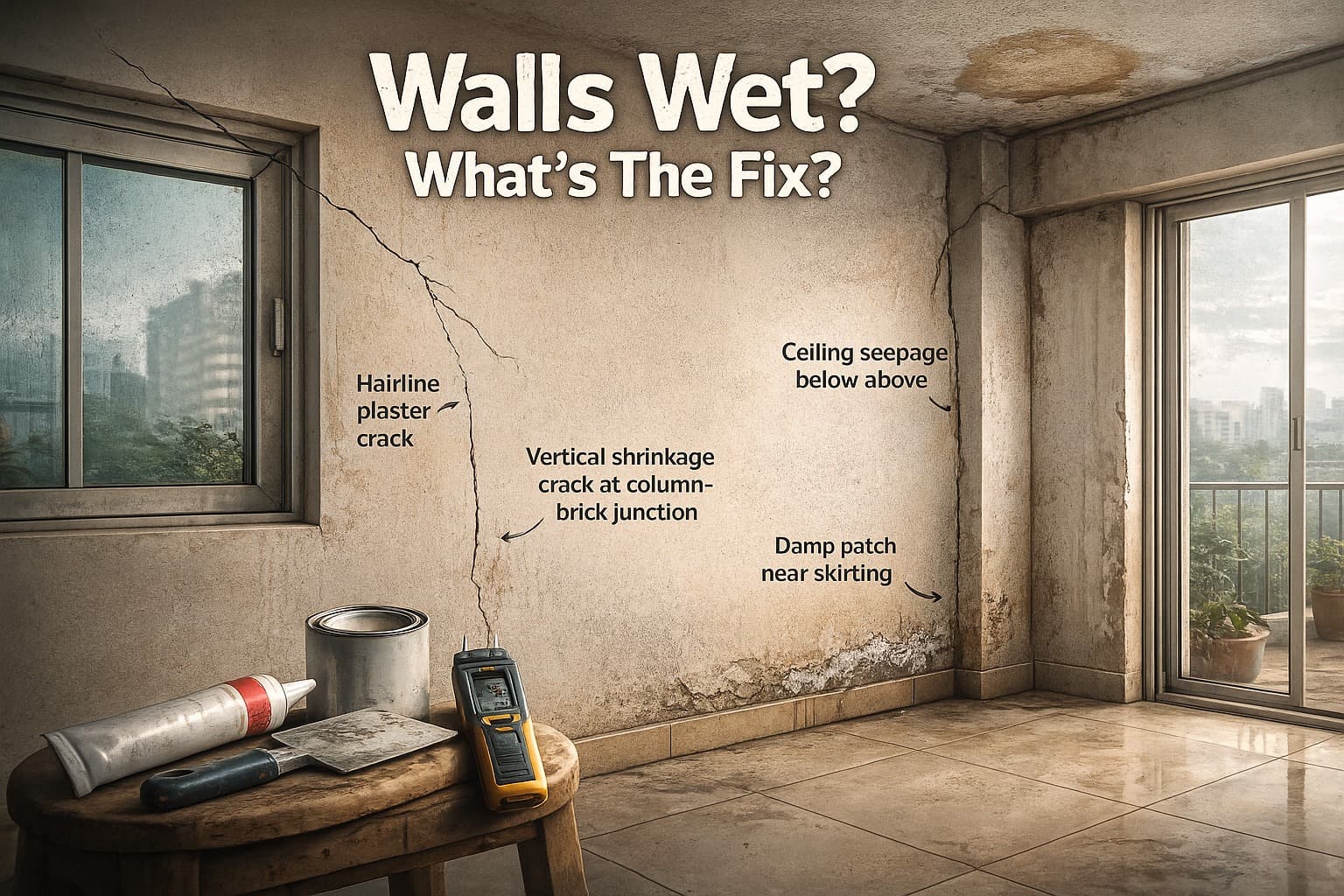
Cracks are often the first visible sign of trouble. Some cracks are harmless, while others demand immediate attention. Hairline cracks may appear due to plaster shrinkage, but wide or zigzag cracks can indicate structural movement. Horizontal cracks are especially serious. During inspection, measure the width and direction. Identifying the nature of wall cracks early helps prevent major repairs and protects structural integrity.
Short Links:• Wall Check• Crack Alert• Home Safety• Visual Test• Quick Inspect
Dampness: Causes and Early Warning Signs
Dampness appears as dark patches, peeling paint, or a musty smell. It usually develops slowly and worsens during monsoons. Poor ventilation, capillary rise, or water absorption through walls can cause dampness. Touch the surface to feel moisture. Damp walls weaken plaster and affect indoor air quality. Recognising dampness issues early ensures timely corrective action and healthier living conditions.
Leakage Problems and Water Entry Points
Leakage is active water penetration through walls. It often occurs due to faulty plumbing, terrace cracks, or external wall exposure. Look for dripping water, salt deposits, or continuous wet patches. Leakage damages paint, furniture, and electrical fittings. During inspection, trace the water source carefully. Addressing leakage problems promptly prevents long-term deterioration and recurring expenses.
Medium Links:• House Moisture Guide• Home Wall Safety Check• Damp Repair Planning• Property Maintenance Tips• Building Care Basics
Difference Between Dampness, Seepage, and Leakage
These terms are often confused. Dampness is moisture retention within walls. Seepage is slow water movement through porous materials. Leakage is visible water flow from a defined source. Each problem requires a different solution. Misidentifying them leads to ineffective treatment. Understanding seepage vs leakage helps homeowners choose correct repair methods and avoid repeated damage.
External Wall Inspection and Weather Impact
External walls face sun, rain, and pollution daily. Inspect for cracks, algae growth, and paint erosion. Check joints around windows and balconies. External damage often leads to internal dampness later. Weather-resistant coatings and waterproof layers protect walls effectively. Regular external inspection strengthens external wall protection and extends building life.
Internal Wall Inspection and Living Comfort
Internal walls show early symptoms of moisture problems. Look behind furniture, near bathrooms, and around electrical points. Bubbling paint, fungal growth, or wall discoloration indicates hidden moisture. Such conditions affect health and comfort. Proper inspection ensures timely treatment of internal wall dampness before it spreads.
Long Links:• Complete Home Wall Inspection and Repair Planning Guide• Detailed Dampness and Leakage Identification Handbook• Step-by-Step Wall Crack and Moisture Diagnosis Manual• Comprehensive Residential Waterproofing Awareness Guide• Advanced Building Wall Health Evaluation Resource
Role of Waterproofing in Wall Protection
Waterproofing creates a protective barrier against moisture penetration. It strengthens walls and prevents cracks from expanding. Proper waterproofing improves durability and reduces maintenance costs. Choosing the right product and application method is essential. Preventive waterproofing is always more effective than corrective repairs. This step is vital in managing waterproofing solutions for long-term protection.
Inspection Tools and Practical Tips
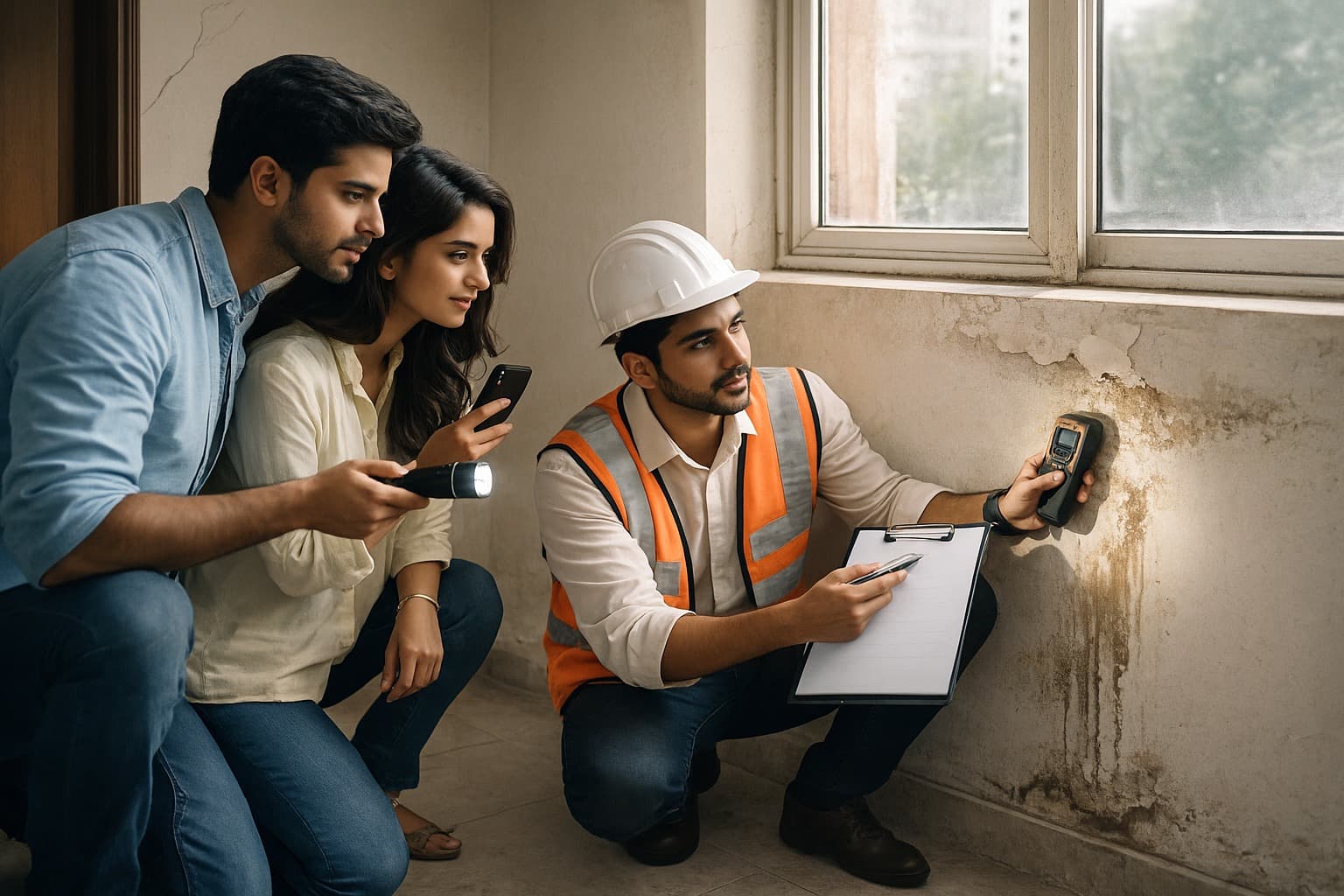
Use a flashlight, moisture meter, and measuring scale during inspection. Observe walls during different seasons. Record crack patterns and moisture spread. Do not rely only on paint appearance. Document findings with photos. These steps improve accuracy during wall damage assessment and help professionals plan repairs efficiently.
Health Risks Linked to Wall Dampness
Moist walls encourage mould and bacteria growth. This can trigger allergies, asthma, and respiratory infections. Children and elderly residents are especially vulnerable. Damp environments also reduce mental comfort. Regular inspection and early treatment reduce these risks. Addressing mould growth on walls is essential for a safe home environment.
When to Seek Professional Help
Minor cracks and surface dampness can be managed early. However, recurring leakage, widening cracks, or structural movement need expert evaluation. Engineers and waterproofing specialists provide accurate diagnosis and solutions. Timely professional support prevents major losses. This ensures effective structural wall inspection and long-term stability.
Summary
Wall inspection helps detect cracks, dampness, and leakage before they become serious problems. Understanding the difference between moisture issues allows correct treatment and cost control. Regular internal and external checks protect structural strength and indoor health. Waterproofing plays a key preventive role. Using proper tools, documentation, and expert guidance ensures durable walls and safe living spaces. A planned inspection approach saves money, improves comfort, and extends building life significantly.