
Walkability, Parks, and Public Transport: Impact on Real Estate Value
Summary
Walkability, parks, and public transport significantly boost real estate value. Buyers prioritize convenience, wellness, and connectivity, driving demand for homes in accessible, pedestrian-friendly neighborhoods with lifestyle amenities.

Introduction
Real estate buyers today look well beyond square footage and interiors. A home is valued not only by its structure but also by the lifestyle it supports. Features such as walkability, parks and open spaces, and public transport access have become major drivers of property value. In fast-growing cities, people want neighbourhoods that allow them to live, work, relax and socialise with ease. As urban lifestyles evolve, homebuyers clearly prefer communities built for convenience and wellness rather than long commutes and heavy traffic.
Walkability — A Key Element of Urban Lifestyle
Walkability refers to how comfortably and safely people can move around a neighbourhood on foot. When everyday locations such as grocery stores, schools, clinics, cafés and recreational spots are within walking distance, residents naturally enjoy a better quality of life. This is why how walkability impacts property prices has become an important discussion in the real estate market. Homebuyers recognise the value of living in neighbourhoods where they do not need a vehicle for every small task. A walkable area saves time, reduces stress and promotes a healthy daily routine.
Parks and Open Spaces — The Value of Fresh Air and Nature
Green surroundings play a major role in modern living. Families and working individuals prefer properties close to parks and open spaces, not only for beauty but also for emotional and physical well-being. Having access to jogging tracks, playgrounds, walking paths and greenery supports wellness and reduces city fatigue. This is one major reason real estate near parks, metros and public transit often attracts higher demand. Homes located around green zones usually show better property appreciation because residents feel more connected to nature while still living in the heart of the city.
Transit Connectivity — Why Buyers Prefer Well-Connected Areas
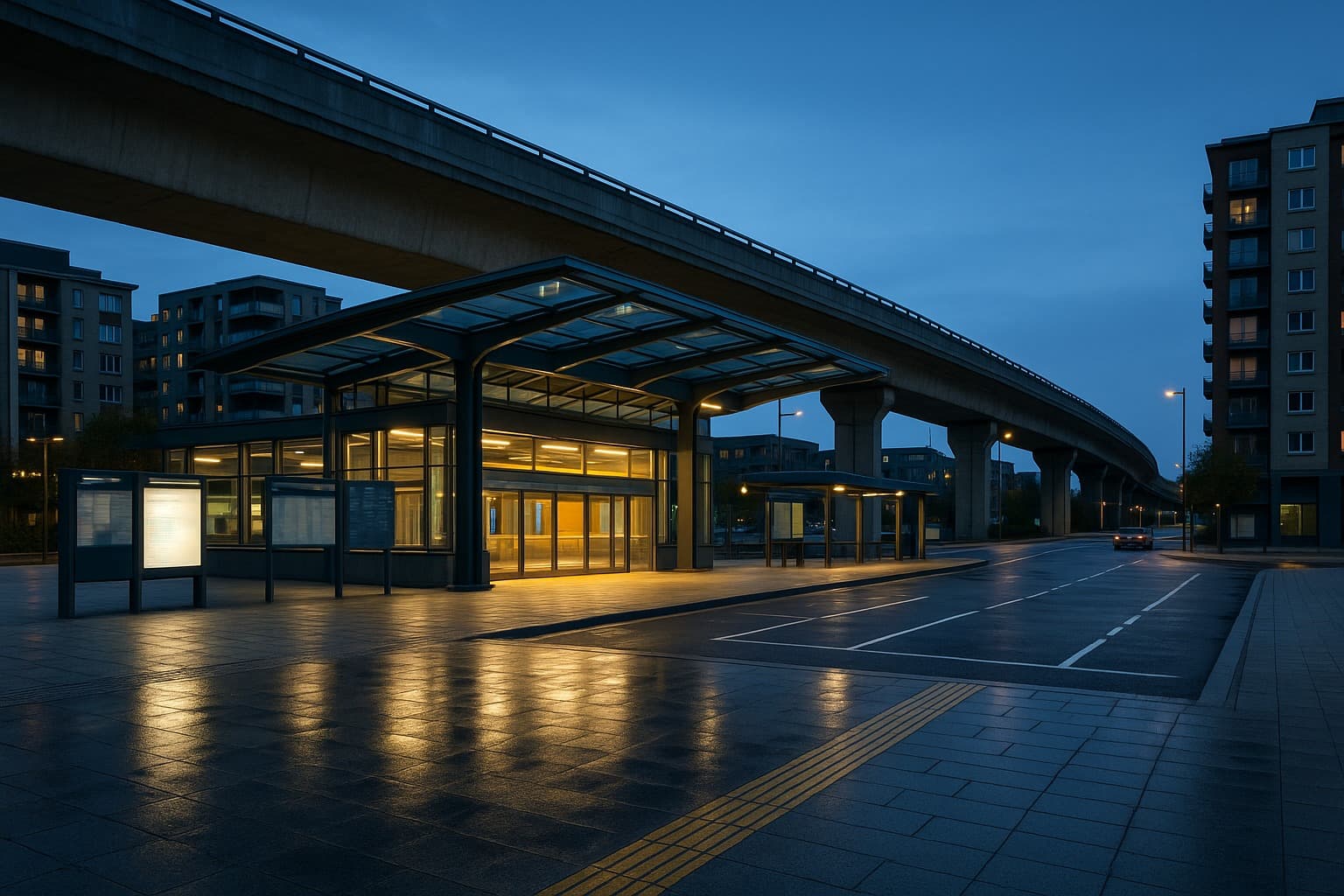
The importance of public transport has increased dramatically, especially in growing metros and tier-2 cities. Areas located near metro stations, bus terminals or railway access points are considered future-ready. When travel becomes easier, the whole lifestyle improves — work commutes reduce, social outings become simpler, and new professional opportunities open up. With such benefits, it is clear why homes near metro, bus and green zones sell faster. Connectivity reduces daily challenges, which directly influences demand and resale potential.
Pedestrian-Friendly Neighbourhoods and Home Value
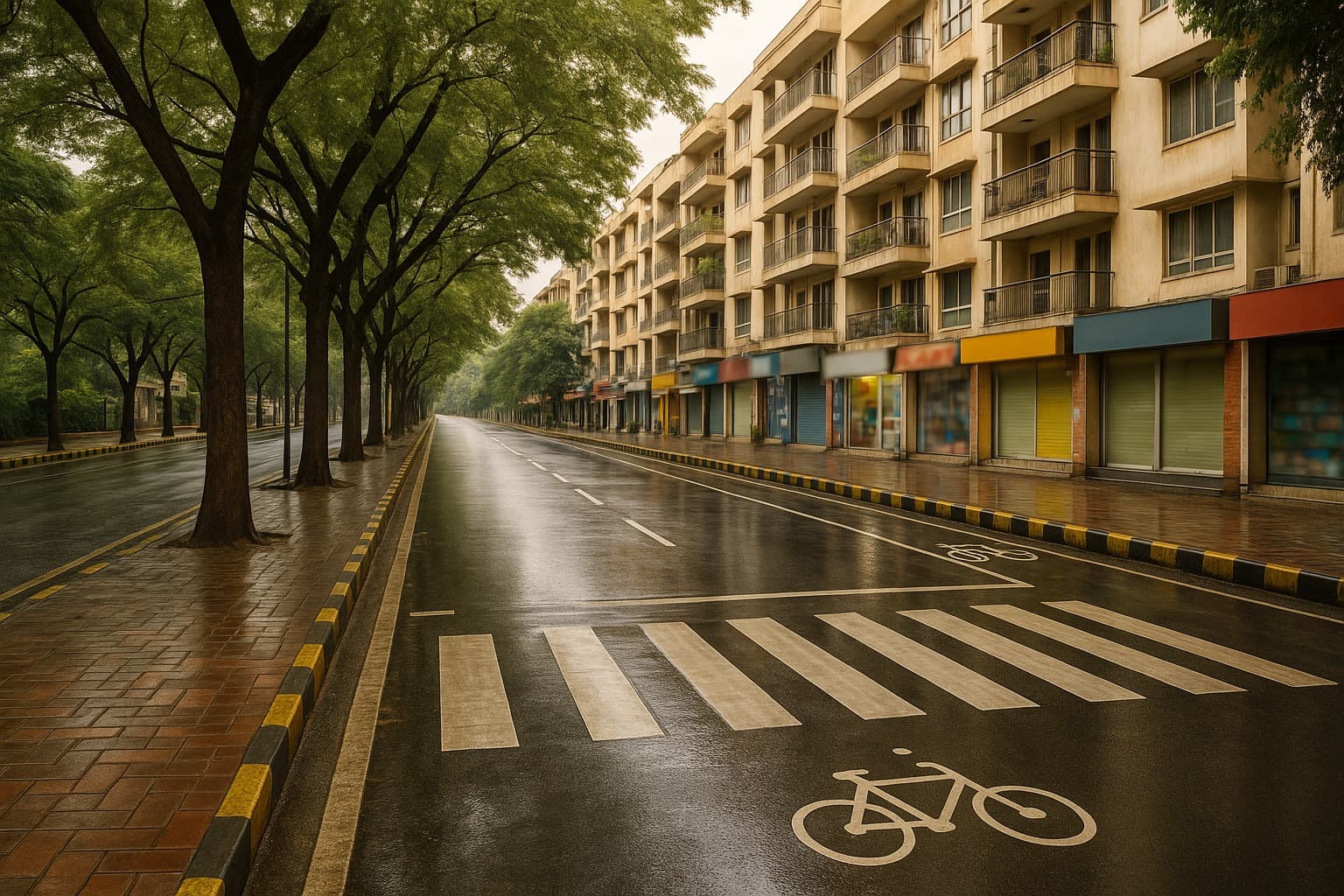
A neighbourhood designed for pedestrians sends a strong message — it supports safe community living. Wider footpaths, dedicated bike lanes, zebra crossings, benches and shaded paths not only beautify the locality but also encourage outdoor movement. This explains the importance of pedestrian-friendly neighborhoods when studying long-term real estate trends. Such areas allow children to play freely, senior citizens to move comfortably and families to stay active without depending on vehicles. These lifestyle benefits naturally translate into higher housing demand and stable property prices.
Lifestyle Amenities That Strengthen Community Appeal
Urban communities now demand more than basic infrastructure. They look for fitness centres, playgrounds, libraries, walking tracks, community gardens, weekend markets and coworking spaces. These facilities attract working professionals and families who want a balanced life. In this context, connectivity and lifestyle amenities affecting home value becomes a clear concept. A resident may compromise on carpet area, but not on convenience. When everything essential is close by, living becomes smoother and more meaningful. This leads to faster property absorption and higher returns over time.
Transit-Connected and Walkable Areas Show Strong Growth
Real estate developers have noticed that green and walkable localities seeing housing demand maintain value even when markets slow. Buyers treat such homes as secure and future-proof investments. This pattern highlights real estate growth in walkable and transit-connected neighbourhoods, as demand continues to rise among both end-users and investors. These regions also witness more retail stores, cafés, healthcare centres and leisure spaces, which collectively make the locality even more desirable. When lifestyle convenience increases, stability in home values naturally follows.
How Accessibility and Lifestyle Increase Property Appreciation
The connection between accessibility and home value is simple. Areas that reduce travel strain and promote wellness are likely to remain attractive for decades. This is why impact of lifestyle and accessibility on real estate appreciation is becoming a major factor for builders and consumers. A well-connected home does not only serve present needs but also secures long-term resale value. As people continue to prioritise comfort, health and time, neighbourhoods that blend greenery, safety and transit access will consistently lead property markets.
Liveability and Neighbourhood Planning Will Shape the Future
The future of real estate depends heavily on how cities are designed. Families are shifting focus from isolated neighbourhoods to vibrant and multifunctional areas. The concept of neighbourhood design and liveability driving property demand will define the next phase of urban development. Homes that allow residents to walk to school, relax in parks, commute easily to work and stay connected socially will see the highest demand. Builders now plan projects around green belts, metro lines and lifestyle amenities, showing that housing is no longer just about buildings — it is about the life that surrounds them.
Summary
Walkability, open spaces and public transport access have become major influences on property value in modern Indian cities. Buyers choose neighbourhoods that reduce daily travel stress and support a healthy lifestyle. Homes near metro routes, bus access and parks sell faster, attract steady demand and show stronger appreciation. Pedestrian-friendly neighbourhoods provide safety and convenience, making them especially preferred for families and professionals. As priorities shift toward wellness and accessibility, walkable and transit-connected localities will continue to lead housing demand and real estate investment.