
Vasai East: Why This Budget-Friendly Mumbai Suburb Deserves Serious Investment Attention
Summary
Vasai East emerges as a prime, budget-friendly Mumbai real estate investment in 2025. It boasts competitive prices, significant appreciation, upcoming Metro Line 13, and integrated townships, presenting a time-sensitive opportunity for smart buyers.

Introduction
Mumbai's property market has a well-known problem. Every locality that becomes genuinely liveable eventually becomes unaffordable. Mira Road went through it. Borivali went through it before that. The western suburbs keep marching north as buyers chase the same combination of connectivity and value.
Vasai East is where that march has arrived in 2025. And if the infrastructure signals are being read correctly, the window for budget-friendly entry into this MMR property corridor is still open, but probably not for much longer.
Where Vasai East Sits in the MMR Map
Vasai East sits in Palghar district, north of Mira Road and Bhayandar, along the Western Railway line. It is part of the Vasai-Virar municipal region, one of the fastest-growing urban clusters in the entire Mumbai Metropolitan Region.
The location sits astride NH-48, the Mumbai-Ahmedabad highway, which gives it road access in multiple directions. Vasai Road Railway Station connects residents directly to Churchgate on the Western Line. The average commute to central Mumbai by train runs between 60 and 90 minutes depending on the destination, which is entirely comparable to what residents of Virar and Nalasopara already accept as part of daily life.
The Price Advantage Is Still Intact
This is the number that matters most for a budget buyer evaluating Vasai real estate. Average flat rates in Vasai East currently sit around Rs 8,950 per square foot. A 1 BHK apartment is available between Rs 33 lakh and Rs 42 lakh. A 2 BHK falls in the range of Rs 52 lakh to Rs 65 lakh.
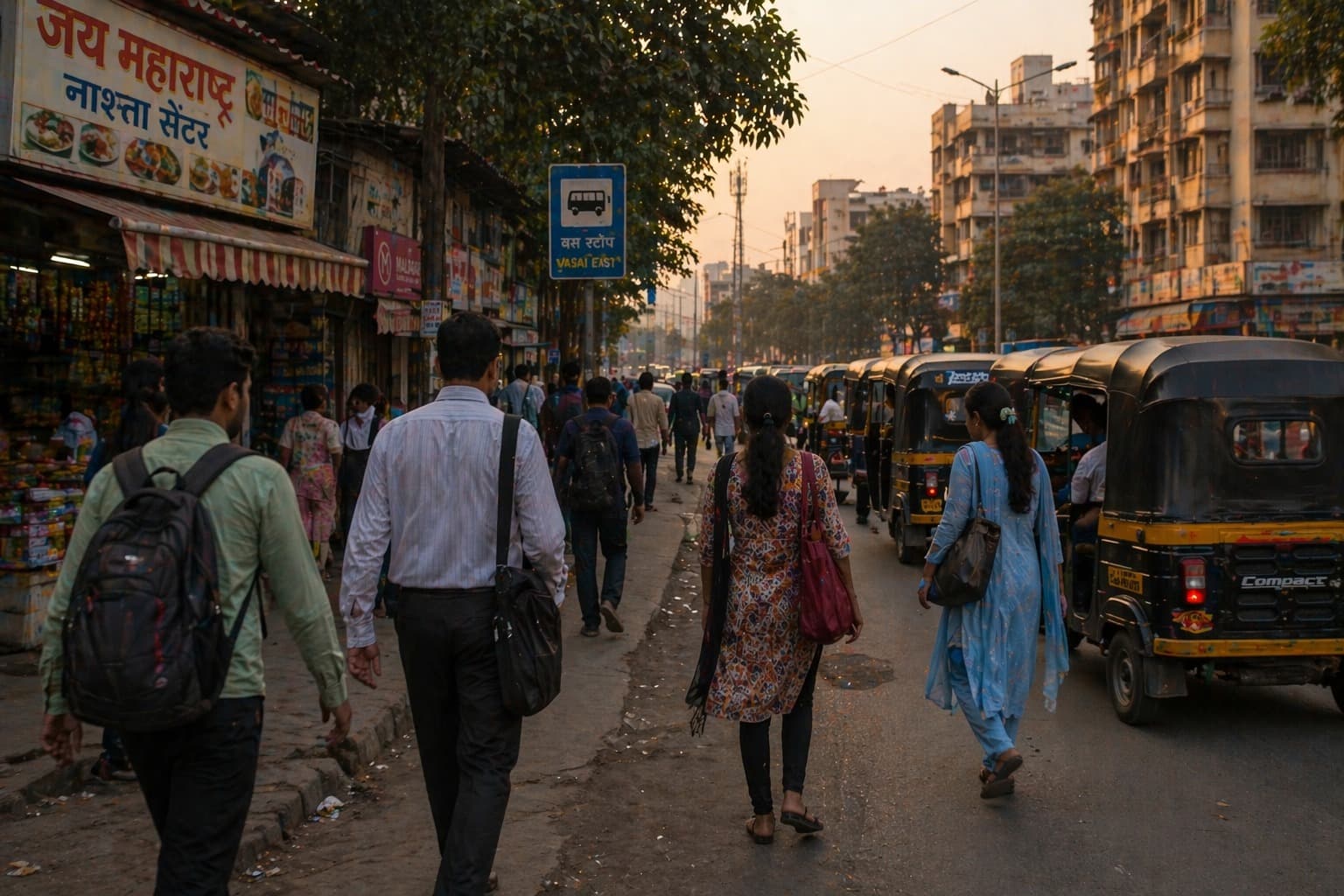
Compare this to Mira Road, where comparable configurations now start considerably higher, or Borivali, where even entry-level 1 BHKs breach Rs 80 lakh routinely. The affordability gap between these established suburbs and Vasai East remains wide enough to matter for a first-time buyer or a salaried professional trying to avoid stretching their home loan beyond comfort.
Property prices in Vasai have risen 24 percent over five years and 43 percent over ten years. That is steady, real appreciation without the volatility of overheated markets. For an investor buying in 2025, the trajectory points in one consistent direction.
Metro Line 13 Changes the Calculation
The most significant catalyst in the Vasai East investment story right now is Metro Line 13. This 23 kilometre elevated corridor will run from Mira Road to Virar, passing through Naigaon, Vasai, and beyond, with over 20 stations along the route.
The total project cost is approximately Rs 6,900 crore under MMRDA's infrastructure budget. Partial operations are targeted for the fourth quarter of 2026. Land acquisition is advancing and rolling stock tenders were issued in mid-2025.
When metro connectivity lands in a suburb that was previously only served by local trains, the effect on property prices near stations is measurable and fast. In comparable corridors across the MMR, station-adjacent properties have seen price premiums of 15 percent or more once metro operations begin. Buyers who enter Vasai East property markets before that premium gets priced in are positioning correctly.
Other Infrastructure Coming Together
Metro Line 13 is not the only infrastructure piece supporting the Vasai real estate story. The Virar-Alibaug Multimodal Corridor will eventually connect the far north of MMR to Alibaug in the south, running through Vasai. The Bhayandar-Vasai Sea Link is a proposed connectivity project that would dramatically cut travel times across the creek. Ongoing improvements to NH-48 are already reducing road travel friction.
None of these are small commitments. Together they signal that planners and government bodies view this corridor as one requiring serious long-term infrastructure investment.
Township Living at Affordable Prices
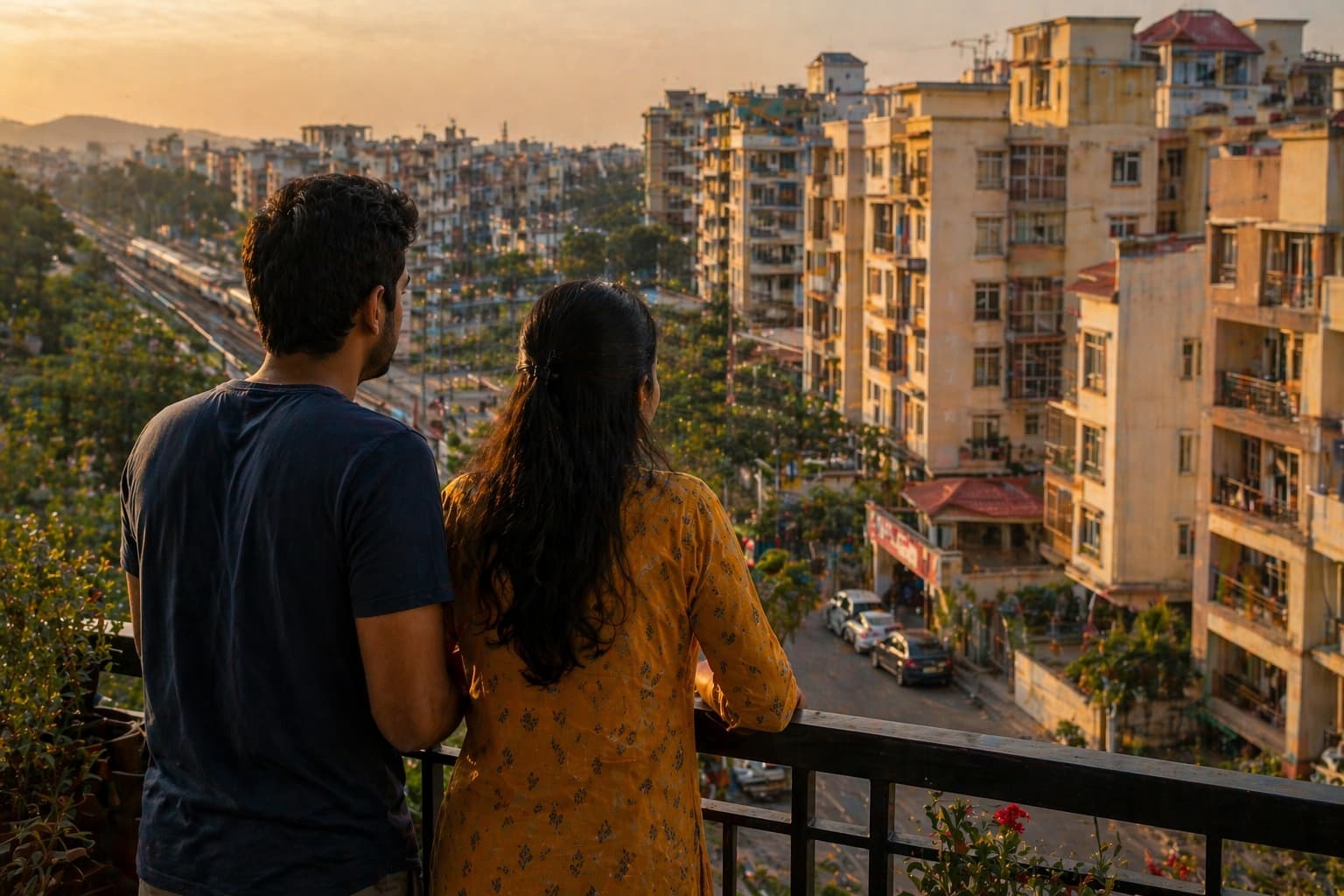
One of the more compelling aspects of Vasai East affordable homes in 2025 is the emergence of township-format projects in the area. Unlike standalone buildings, integrated townships offer landscaped grounds, clubhouses, community recreation areas, and a sense of organised living that buyers moving from denser suburbs actively seek.
Projects like Suraksha Smart City in Vasai East offer 1 BHK units starting from Rs 34 lakh within a township format, which represents genuine value considering what that budget buys anywhere else in the MMR today. Rental yields in Vasai East currently run around 4 percent, with 1 BHK units fetching Rs 8,000 to Rs 12,000 per month in the rental market.
What the Numbers Say for Investors
Property prices have risen 12.6 percent in three years and 14.7 percent in five years in Vasai East. With metro connectivity arriving in 2026 and multiple other infrastructure projects converging in the same window, the foundation for continued appreciation is solid.
Summary
Vasai East offers the MMR property market's rarest combination in 2025. Entry prices that still make financial sense for budget buyers, measurable appreciation history, Metro Line 13 arriving within the investment horizon, and township-format living options under Rs 50 lakh. For any buyer evaluating affordable homes near Mumbai, the case for Vasai East investment before metro operations begin is clear and time-sensitive.