
Vanishing Balconies in Delhi-NCR and Bengaluru: Why Urban Homes Are Losing Open Spaces
Summary
Balconies are disappearing from Delhi-NCR & Bengaluru homes due to rising costs & FSI rules. Once standard, they're now luxury features. NCR's relaxed rules explain more balconies there.

Introduction
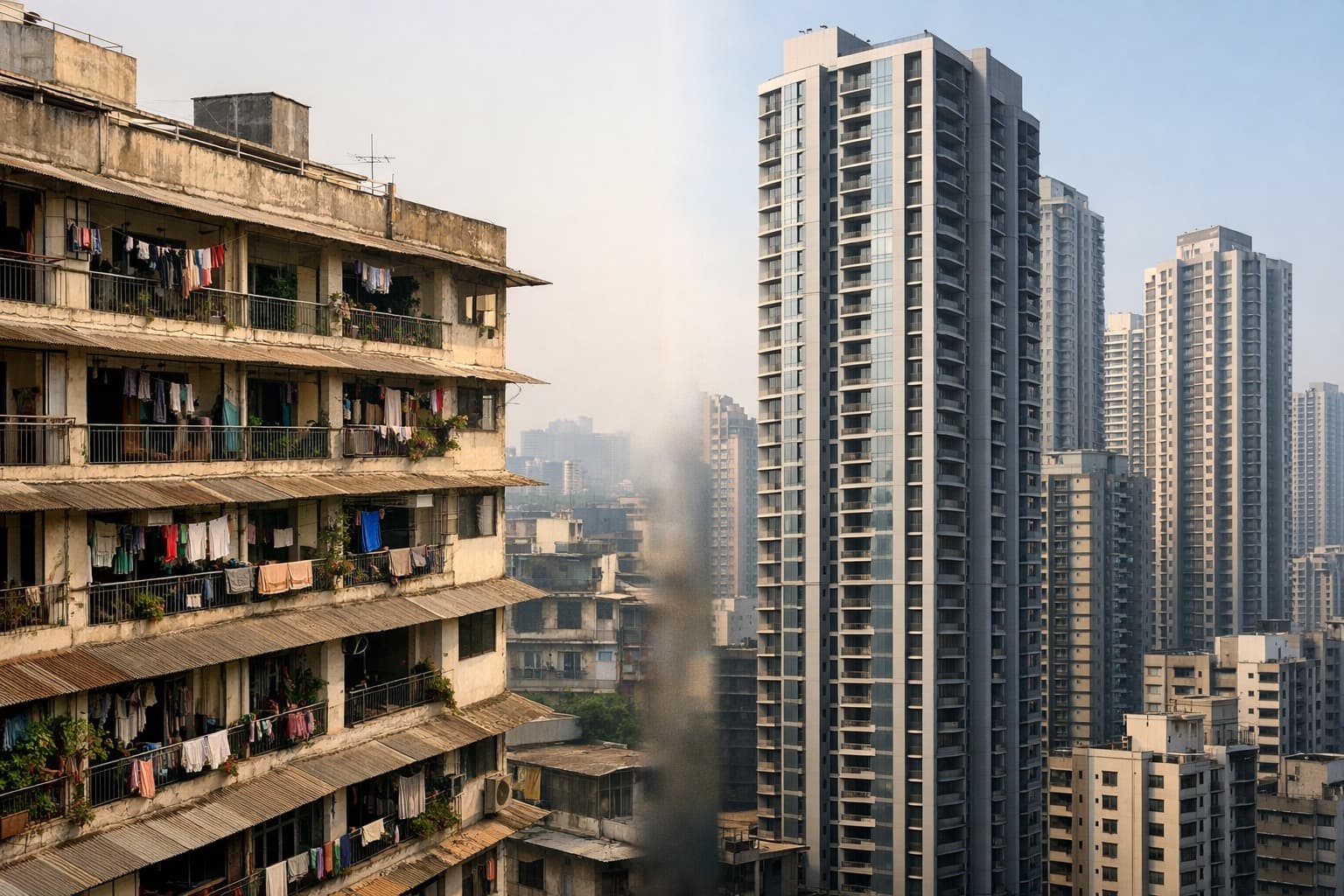
Balconies, once an essential part of urban homes, are slowly disappearing from mid‑segment apartments in Delhi‑NCR and Bengaluru. Rising land prices, stricter FSI norms, shrinking carpet areas, and changing buyer priorities are forcing developers to reduce or completely eliminate balconies. What was earlier a basic lifestyle feature is now becoming a premium add‑on reserved mainly for luxury housing, reshaping how Indian cities are being built and lived in.
Why Balconies Are Shrinking in Modern Urban Housing
Rapid urbanisation has pushed land values to record highs in cities like Bengaluru, Gurugram, and Noida. Developers are under pressure to maximise saleable area within limited parcels of land. As a result, balconies, which do not directly contribute to usable indoor space, are among the first elements to be compromised. Buyers today closely examine carpet area, making developers prioritise internal efficiency over external extensions.
Role of FSI and Regulatory Constraints
Floor Space Index rules play a major role in the disappearance of balconies. In Mumbai and parts of Bengaluru, balconies are included within FSI calculations, reducing the total buildable area available to developers. This makes balconies expensive to provide. In contrast, NCR markets such as Noida and Gurugram allow limited balcony space outside FSI, which explains their higher presence in mid‑segment housing. Regulatory differences directly shape home design outcomes.
Carpet Area Awareness and Buyer Behaviour
Homebuyers are increasingly aware of the difference between super built‑up area and actual carpet area. Many buyers realise that they are paying a premium for common areas and balconies that offer limited daily utility. With loading factors reaching up to 40–45 percent in some projects, buyers now prefer efficient layouts over decorative features, accelerating the decline of balconies in affordable and mid‑income homes.
Rising Costs Turn Balconies into Luxury Features
In Bengaluru, real estate brokers estimate that including balconies can increase apartment prices by 10–15 percent. Projects offering two balconies are usually priced significantly higher than those with a single or no balcony. This cost escalation has pushed balconies into the premium category, making them aspirational rather than standard. Developers increasingly reserve larger balconies for high‑end or ultra‑luxury projects where buyers pay for lifestyle enhancements.
Changing Lifestyle Needs and Urban Realities
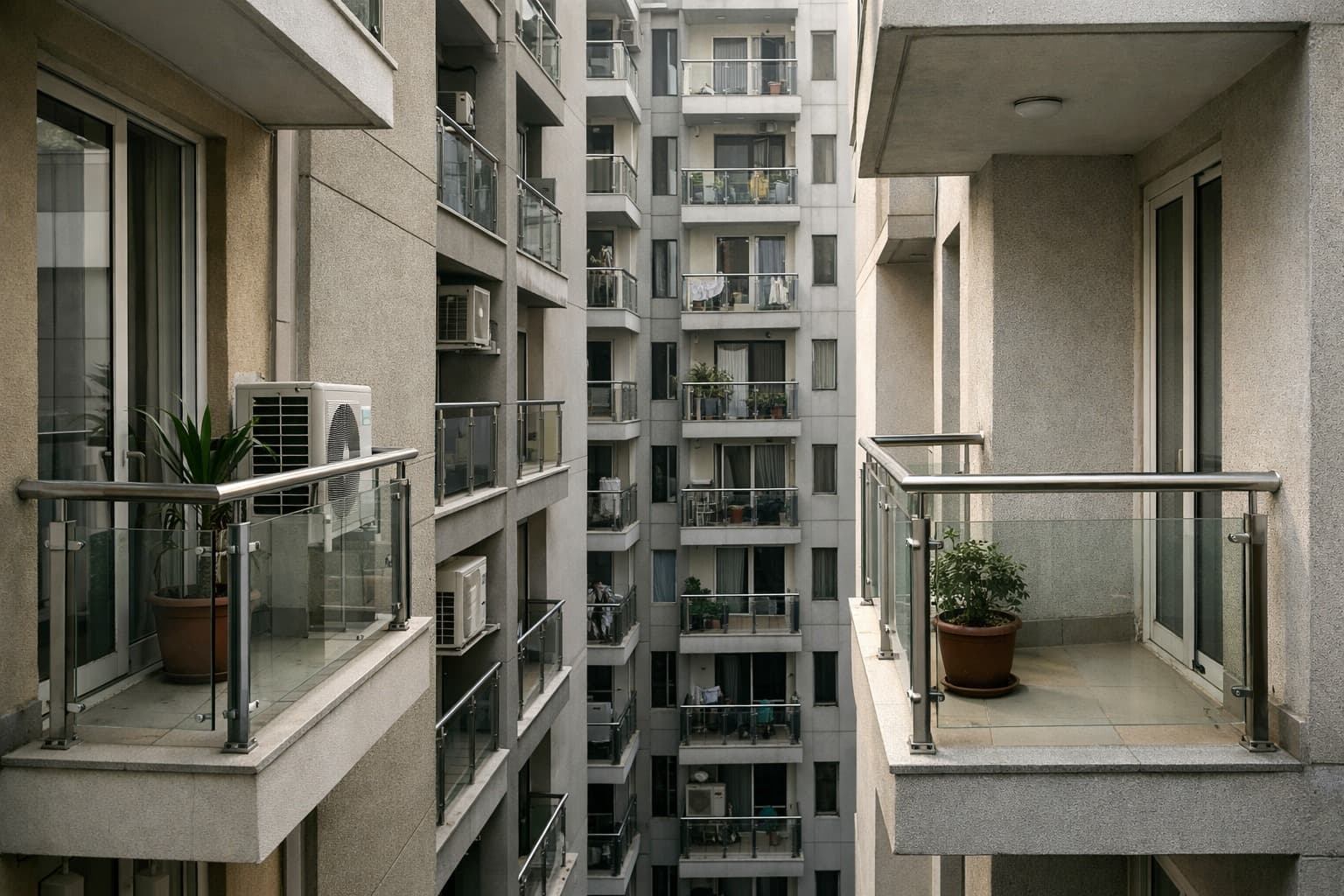
Balconies were traditionally used for utility purposes such as drying clothes or storage. Today, worsening air quality, traffic noise, mosquito issues, and close building proximity reduce their functional value. In high‑density neighbourhoods, balconies often face adjacent buildings just a few metres away, offering limited privacy or ventilation. This reality weakens their appeal for everyday living.
Bengaluru Market Trends and Design Shifts
In Bengaluru, the number of balconies in new residential launches has declined by nearly 10–15 percent over recent years. Sizes have also reduced from earlier spacious layouts to compact designs. City‑centre projects often exclude balconies altogether due to small land parcels and tight development norms, while outskirts projects offer limited balconies at a higher price point.
Why NCR Still Has More Balconies
Delhi‑NCR continues to offer balconies in most mid‑segment apartments because of favourable planning regulations. Haryana and Uttar Pradesh allow balconies of 5–6 feet without impacting FAR, enabling developers to include open spaces without sacrificing saleable area. This policy supports better ventilation and liveability while maintaining cost control, making NCR homes more balcony‑friendly compared to Mumbai or Bengaluru.
Post‑Pandemic Demand and Selective Comeback
After the pandemic, buyers began valuing open spaces for mental well-being and ventilation. This has led to a selective comeback of balconies, particularly in luxury projects with scenic views or low‑density planning. However, this revival is limited and unlikely to extend to mass housing, where affordability and efficiency dominate decision‑making.
Future of Balconies in Indian Cities
Balconies are no longer universal features; their presence depends on location, regulations, and buyer segment. In premium developments, balconies will continue as lifestyle statements. In mid‑segment housing, they are likely to shrink further or disappear, replaced by compact, efficient interiors that reduce costs and improve carpet utilisation.
Summary
Balconies are steadily vanishing from mid‑segment homes in Delhi‑NCR and Bengaluru due to rising land costs, strict FSI norms, and increased buyer focus on carpet area efficiency. Once a basic feature, balconies are now turning into luxury additions reserved for premium projects. Regulatory differences explain why NCR retains more balconies than other cities. Going forward, urban housing will prioritise affordability and efficiency, making balconies selective lifestyle features rather than standard inclusions.
Video will be embedded from: https://www.youtube.com/watch?v=vPwd_5gYZok