Introduction
Choosing where to live has become a major decision for buyers and families today. With remote and hybrid work changing lifestyles, people are comparing urban vs suburban living more closely than ever. City living offers fast-paced convenience and career opportunities, while the suburb lifestyle promises peace, larger homes, and community spaces. Real estate trends show that priorities are shifting as buyers look for value, comfort, and a healthy environment. This blog explains the pros and cons of living in city vs suburbs, property comparison factors, and what suits different types of homebuyers in 2025.
Understanding City Living
Urban areas attract people because cities have everything close — offices, malls, entertainment, medical care, and quick travel options. City living offers excitement, better job access, and a vibrant lifestyle. The main challenge is the high cost of living. Homes are often smaller, and living expenses like parking, rent, and dining are higher. For those who love social life and career growth, cities remain the preferred choice. The urban lifestyle suits working professionals who want to stay near business and tech hubs.
Exploring the Suburb Lifestyle
Suburban neighborhoods are usually quieter, greener, and more spacious. Families love the suburb lifestyle because it offers better parks, larger homes, and a calm environment for children. Suburban communities often have lower pollution and noise levels. With improved connectivity and telecommuting, many people now feel they can enjoy a relaxed lifestyle without losing access to the city. Suburbs are suitable for people who want a slower pace of life and more personal space.
Property Prices and Affordability Comparison
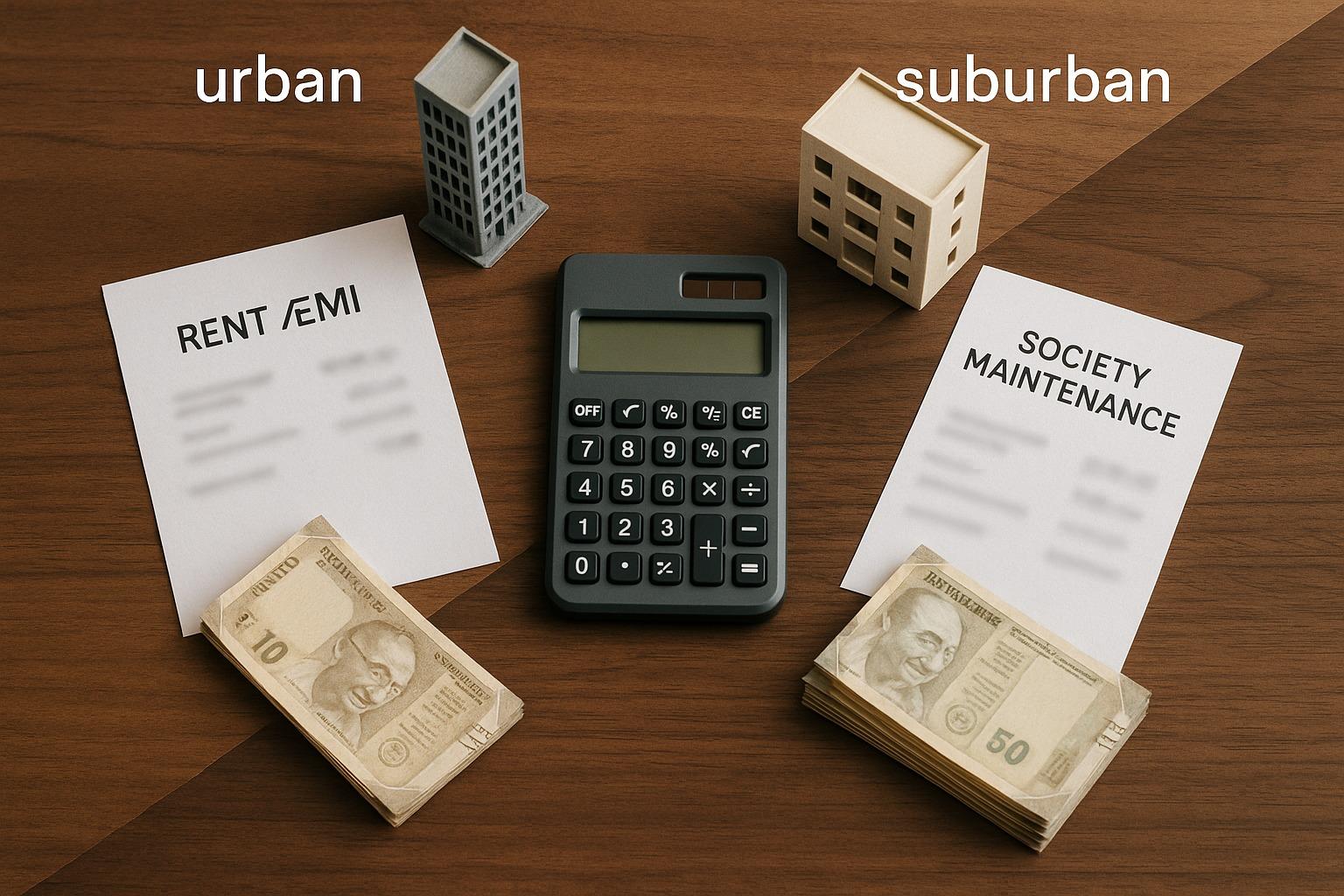
One of the biggest differences between city and suburban living is affordability. Property prices and lifestyle differences show a clear contrast:
Cities: Smaller homes, higher cost
Suburbs: Bigger homes at better prices
Comparing home affordability and lifestyle benefits shows that suburbs give more value for money. Buyers who want long-term investment and more square footage often choose suburban options.
Urban vs Suburban Living Comparison 2025
Urban vs suburban living comparison 2025 highlights changing preferences. City population growth remains strong, but many buyers are shifting toward suburban locations for comfort and future potential. Real estate trends shifting buyers toward suburban areas are largely influenced by lifestyle needs, work flexibility, and better social spaces. Suburbs are becoming more self-sufficient with their own shopping hubs, co-working spaces, and entertainment.
Lifestyle Differences: What Do People Prefer?
Cities are great for those who love social activities. You can easily find restaurants, movies, events, gyms, and cultural attractions. Suburbs provide peaceful surroundings, larger rooms, home gardens, and personal outdoor space. Cost of living and lifestyle comparison between city and suburbs shows:
Younger professionals choose cities for independence and networking. Families prefer suburbs for safety, space, and healthy environments.
Transport, Connectivity & Infrastructure
Infrastructure plays a major role in housing decisions. How infrastructure and connectivity influence suburban demand is becoming more visible as governments expand metro lines, highways, and business districts. Better roads and public transport allow suburban residents to enjoy quick access to the city. Additionally, improved internet connectivity supports work-from-home setups in suburban areas. This helps suburbs grow rapidly as attractive living hubs.
Safety and Community
Suburbs offer better neighborhood security and friendly community interaction. Children can play outdoors more freely, and residents often know each other well. Meanwhile, cities may face higher traffic and crowded spaces but offer strong emergency and medical support. Which is better for families — urban or suburban homes often depends on how much social interaction and safety a family needs.
Real Estate Investment Potential
Real estate investment potential in suburbs has grown significantly. As more people move outward, home prices in suburban locations see faster appreciation. Rental demand is also rising due to flexible work culture. City properties still hold prestige and commercial value, but suburban homes can generate higher long-term returns because they are more affordable to buy and have room for development. Investors now include suburban markets in their portfolios for balanced financial growth.
Which Option Is Better for Buyers in 2025?
Urban vs suburban living: which is better for buyers in 2025 depends on personal goals:
Choose urban if you prioritize career access, nightlife, and convenience
Choose suburban if you want space, affordability, and a peaceful family environment
Both have strong benefits, and both continue to evolve with new development plans.
Summary (85 Words)
Urban vs suburban living comes with different advantages. City living offers fast access to jobs, lifestyle, and services but at a higher cost with limited space. The suburb lifestyle provides bigger homes, greenery, and better affordability, making it ideal for families. Real estate trends show buyers shifting toward suburban areas due to improved connectivity and hybrid work options. The right choice depends on personal needs, budget, and long-term plans. Both city and suburban markets will continue growing as each offers unique value for modern homebuyers.