
Understanding Partial Occupancy Certificates and Their Impact on Property Resale Value
Summary
Partial Occupancy Certificates can negatively impact property resale value by lowering buyer confidence and creating financing challenges. Understanding the difference between partial and full OCs is crucial for sellers and buyers navigating real estate transactions.

Introduction
In real estate transactions, legal approvals play a vital role in determining a property’s Value and acceptance in the market. One such approval is the Occupancy Certificate. However, in many residential projects, Buyers receive a Partial OC instead of a full one. This situation often creates confusion, especially during Resale. Understanding how a Partial OC affects Impact on resale value is essential for homeowners, investors, and Buyers. A clear understanding helps in making informed decisions and avoiding unexpected losses during Property resale transactions.
What Is a Partial Occupancy Certificate
A Partial Occupancy Certificate is issued when a part of a residential project is completed and approved for occupation, while the remaining portions are still under construction or pending approval. Authorities grant permission to occupy certain buildings or floors that comply with approved plans. However, the entire project does not receive clearance. This approval is different from a full Occupancy Certificate, which confirms that the whole project meets all Building compliance and safety norms.
Why Developers Offer Properties with Partial OC
Developers often apply for a Partial OC to allow Buyers to move into completed sections of a project. This approach helps builders manage finances and meet possession timelines. From a buyer’s perspective, possession with Partial OC may seem acceptable, especially when basic services are available. However, issues arise later, particularly during Resale, as not all Legal approval requirements are complete. Buyers must understand that a Partial OC is a temporary arrangement and not a final legal clearance.
Impact of Partial OC on Property Resale Value
The Impact on resale value of a property is closely linked to its legal status. Properties with a Partial OC generally face lower Property resale demand compared to those with a full OC. Many Buyers prefer legally clear homes to avoid future complications. As a result, sellers may need to reduce prices to attract Buyers. Additionally, properties with Partial OC often take longer to sell. This directly affects Value, negotiation power, and overall investment returns.
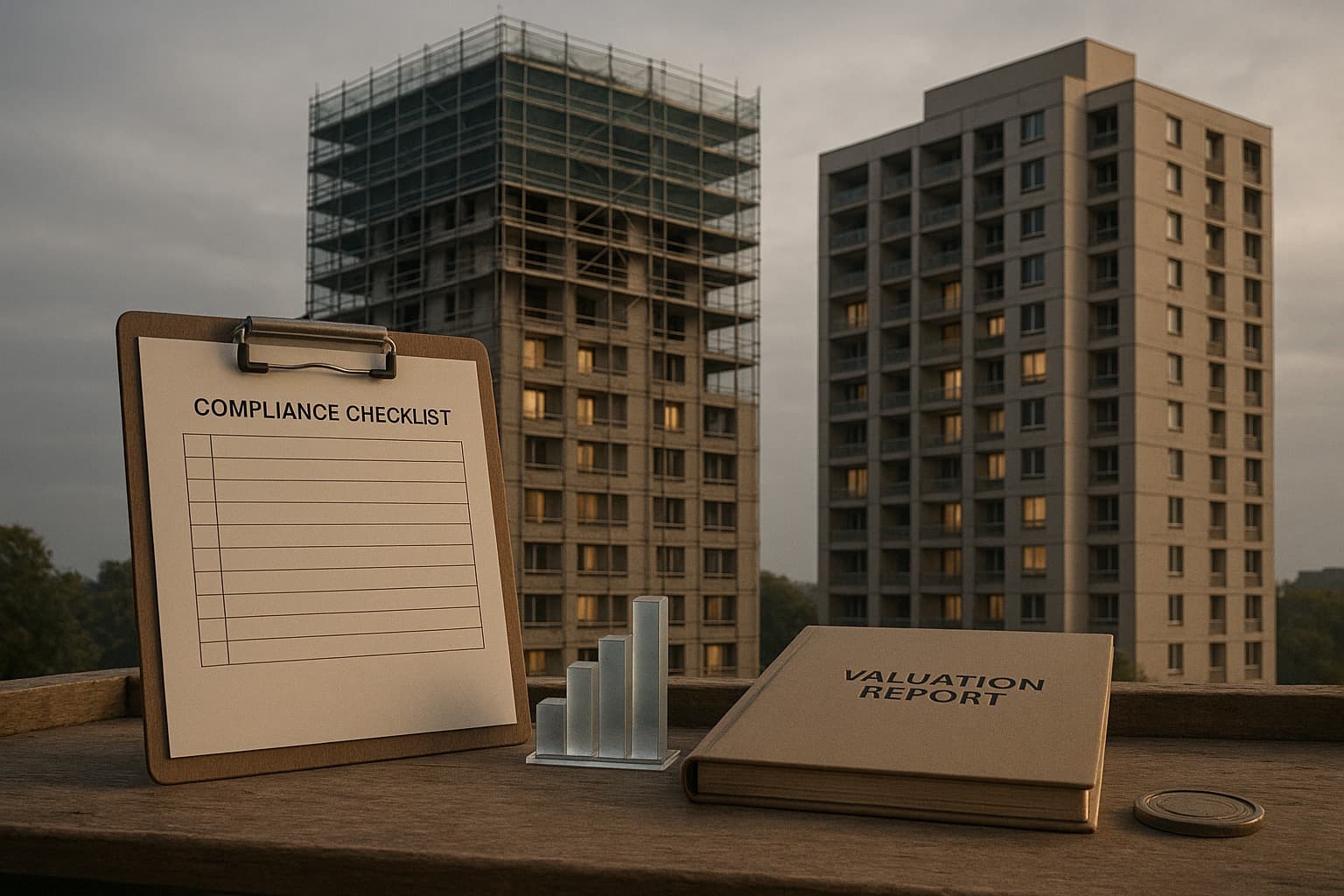
Buyer Confidence and Market Perception
Buyer confidence plays a crucial role in Property resale. A property with Legal approval issues often raises concerns among potential Buyers. Even if the home is well maintained, the presence of a Partial OC may create hesitation. Buyers worry about delays in obtaining a full OC, penalties, or future Building compliance problems. This perception reduces competition, which in turn impacts Resale pricing and slows down transactions.
Financial and Loan Challenges During Resale
One of the biggest challenges during Resale of a Partial OC property is financing. Many banks hesitate to provide Loans due to Home loan approval challenges linked to incomplete approvals. Buyers who rely on Loans may avoid these properties entirely. Limited financing options reduce buyer demand. This situation forces sellers to accept lower offers, directly affecting Value and resale timelines.
Legal and Utility Concerns Affecting Value
Properties with Partial OC may face legal and utility-related issues. Some authorities may not provide permanent water or electricity connections without full Legal approval. These limitations reduce the functional Value of the property. During Resale, Buyers carefully assess such risks. Any uncertainty related to Building compliance or penalties increases Residential property resale risks and weakens negotiations.

Difference in Demand Between Partial OC and Full OC Properties
The Difference between partial and full OC properties is clearly visible in market demand. Homes with complete approvals attract Buyers, investors, and banks offering Loans. In contrast, Partial OC properties appeal mainly to risk-tolerant Buyers seeking discounts. This demand gap strongly influences Impact on resale value, often forcing sellers to compromise on pricing.
Role of Documentation in Resale Transactions
Documentation becomes critical when dealing with Property resale involving Partial OC. Buyers request proof of approvals, sanctioned plans, and timelines for full OC issuance. Any missing Legal approval records reduce Buyer confidence. While transparency helps, the absence of a full OC continues to impact Value and resale success.
From an investment view, Partial OC properties may generate rent but face slower appreciation. Over time, Residential property resale risks become more visible. Investors seeking stable exits prefer properties with complete Legal approval. This gap affects long-term Value, exit planning, and return expectations.
How Sellers Can Reduce the Impact of Partial OC
Sellers can reduce negative Impact on resale value by maintaining transparency, following up on approvals, and pricing realistically. While these steps cannot remove Home loan approval challenges, they improve Buyer confidence and resale outcomes.
Summary
A Partial OC directly affects Property resale by lowering Buyer confidence, limiting Loans, and increasing legal uncertainty. The Difference between partial and full OC properties becomes clear during resale, pricing, and negotiations. While short-term possession is possible, long-term Value growth remains restricted. Buyers must assess Legal approval carefully, while sellers should remain transparent and realistic to manage Residential property resale risks effectively.