
The Influence of Education on Home Buying Decisions in India
Summary
Indian homebuyers now prioritize school zones, impacting property values and trends. Parents are willing to adjust budgets and locations to secure quality education for their children, making school access a key factor.

Introduction
A few years ago, most families in India searched for a home based on price, daily travel time, and neighbourhood facilities. Today, another deciding factor has become very important — school zones. Parents no longer want to compromise on education, and this change has significantly influenced property prices and real estate trends. Buyers are ready to adjust their budgets and locations if it means their children can attend good schools. Because of this, the connection between education and housing has become stronger than ever, creating a new way families think about choosing where to live.
How School Zones Increase Property Demand
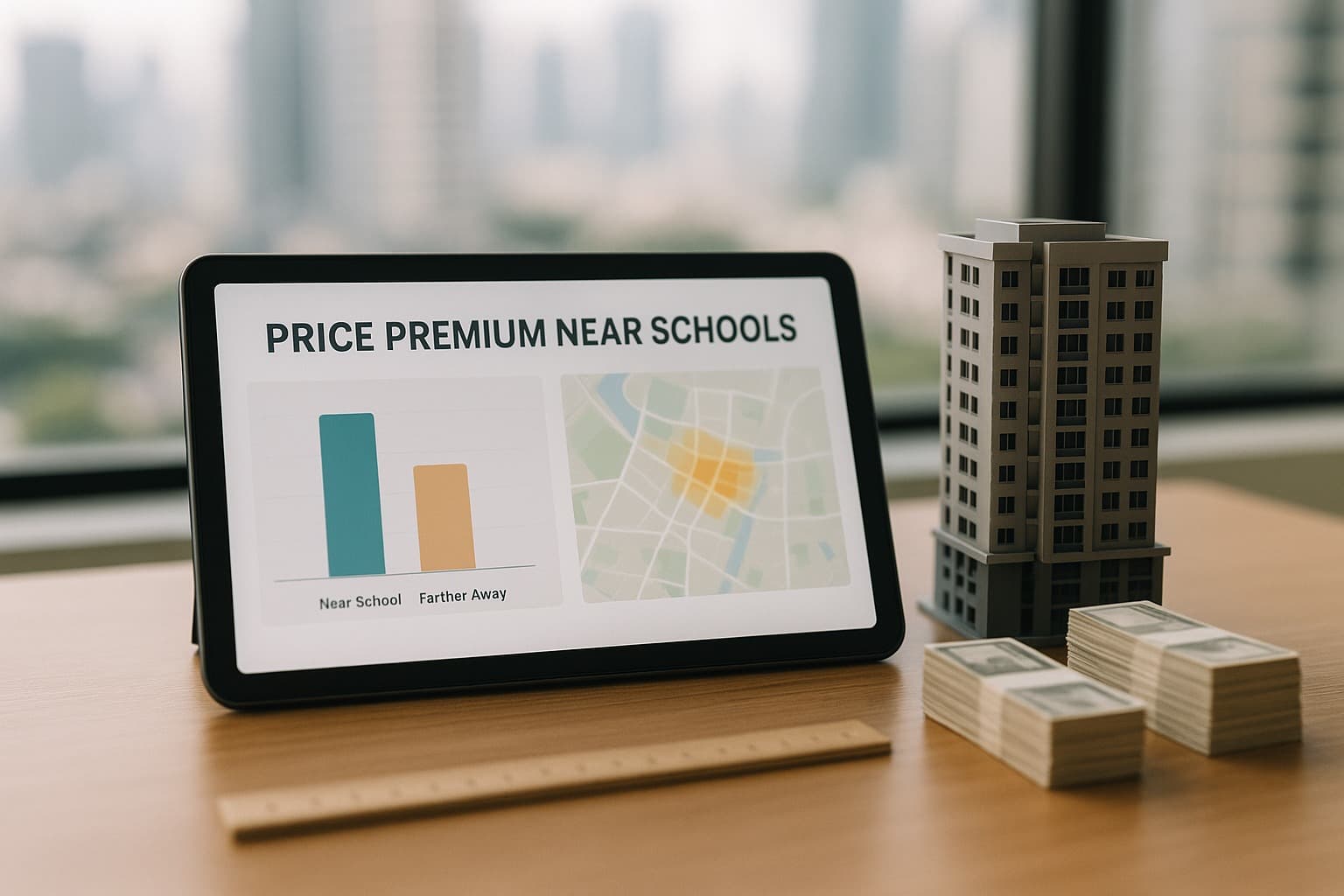
Whenever reputed schools and colleges are present in a locality, demand rises quickly. Buyers immediately associate that neighbourhood with convenience, quality of life and long-term value. This steady demand becomes one of the biggest reasons behind the impact of school zones on real estate prices in India. Parents feel confident knowing their children will not have to travel long distances or struggle with transport. As a result, the entire area becomes more attractive to homebuyers, and properties sell faster compared to regions without strong educational access.
Why Families Are Ready to Pay Higher Prices
For many parents, their children’s future is more important than any material comfort. That is why families pay more for homes near good schools, even if it means adjusting to a smaller apartment or stretching the budget slightly. The belief is simple — a child’s education shapes their future, and living near good schools brings peace of mind every single day. The safety of shorter commutes, better time management, and access to extracurricular activities become priceless advantages. This is why education and housing today stand close together in family priorities.
School Ratings and Property Appreciation
When school ratings improve, property prices in that locality usually follow the same direction. The relationship between school ratings and housing prices has become consistent across all major cities. Parents observe not only exam performance but improvements in teaching quality, student achievements and infrastructure. Even a moderate rise in ratings can make a neighbourhood more attractive. Over time, this leads to property appreciation because buyers assume that areas with strong schools will always remain in demand, ensuring long-term stability.

Homes Near Top Schools and Colleges Hold Premium Value
Whether in metro cities or growing towns, property values near top schools and colleges are higher than in areas with weaker educational access. Investors also view such properties as reliable because demand stays strong even during slower real estate cycles. Most developers study school locations before launching new projects because they know families prefer neighbourhoods built around education. This is why many newly developed housing clusters focus on being close to well-known institutions, creating an attractive lifestyle choice while offering high resale value.
Rental Market Shaped by School District Demand
It is not only buyers who chase good school districts — tenants do as well. Families who cannot purchase a home immediately still search for properties within good school boundaries. As a result, rental prices in these areas remain stable throughout the year with very few vacancies. This is one of the strongest school district demand and housing trends observed today. For landlords, this means constant rental income and dependable tenants. For families, it ensures children benefit from quality education without needing to relocate frequently.
How Homebuyers Evaluate Education Quality
Today’s families make decisions after careful research. Before finalising a house, they research academic performance, teaching environment, extracurricular offerings, transport safety, tuition fees and student support systems. Parents visit school campuses, attend introductory sessions and even discuss experiences with existing parents in the community. This level of research proves how strong homebuying trends near reputed educational institutions have become. Buyers feel confident purchasing property only when they are sure that their children can grow in a positive learning environment.
Why Proximity to Good Schools Improves Lifestyle
The advantages of staying near reputable schools extend far beyond academics. Roads tend to be better maintained, streetlights work more regularly and crime rates are generally lower due to active community monitoring. Family-friendly facilities — such as playgrounds, tutoring centres, hobby classes and day-care — also develop naturally around school zones. These lifestyle improvements explain why proximity to good schools increases property value. The entire neighbourhood becomes more organised and safe, making families proud of the place they live in.
Urban vs Suburban School Zones — Shifting Preferences
In the past, most top schools were located only in central city areas. Now, many leading institutions are expanding into suburban zones due to larger land availability and the opportunity to build modern campuses. Because of this, suburban locations are becoming attractive to young families who want bigger homes and cleaner surroundings without compromising on education. These areas represent the best schools and strong real estate growth because they offer a balanced mix of value, comfort and future appreciation. The shift shows that school zones will influence both urban and suburban development for many years to come.
Education-Driven Real Estate as a Long-Term Investment
For many buyers, investing in a school-zone home is not only an emotional decision but also a financial strategy. Even if the family relocates later, resale demand will remain high. Similarly, landlords benefit from stable tenants and predictable rental income. For this reason, how school zones affect real estate prices and demand has become a key learning point for investors as well. Homes near reputed schools hold value in strong and weak market conditions, making them safer long-term assets.
Summary
School zones have become one of the primary drivers of property prices and housing choices in India. Parents prioritise education and are willing to pay more for homes that offer access to reputable schools and safe travel for children. This leads to strong property appreciation, high rental demand and faster resale for properties near educational institutions. Beyond academics, school districts also improve neighbourhood safety and lifestyle quality. As expectations around education increase, school-centric housing will continue to shape real estate growth for years to come.