
Step-by-Step Guide to Obtaining a Completion Certificate in India
Summary
Learn the step-by-step process to obtain a Completion Certificate (CC) in India, essential for proving legal and safe building construction. This guide covers application steps, required documents, and the approval procedure for builders and buyers.

Introduction
A Completion Certificate, commonly known as CC, is one of the most important documents in the real estate sector. It proves that a building has been developed according to the approved plan, follows safety rules and meets construction standards. Many buyers and builders search for a clear Completion Certificate guide because they want to understand the CC process and what must be done before a project is considered officially complete. This blog explains the step-by-step guide to obtaining a Completion Certificate in India, using simple language and practical details.
1. Understanding the Purpose of a Completion Certificate
Before learning the CC steps, it is important to understand what the document represents. A Completion Certificate confirms that the construction has been carried out as per the sanctioned plan. It shows that the building follows structural rules, environmental norms, height limits, fire safety regulations and local development guidelines. In real estate, CC in real estate works as the final approval that the structure is ready for occupancy checks and further authority inspections. Without this certificate, the construction is considered incomplete in the eyes of the law.
2. Why Completion Certificate Matters in Real Estate
The value of CC goes beyond simply proving that the building is complete. Many legal, financial and procedural activities depend on this document. For example, utility connections often require proof that the building is complete and safe. Homebuyers also ask for CC because it ensures that their future property is built properly. Developers, too, follow a strict CC approval process because it helps them hand over the flats without legal complications. This makes the CC one of the most essential documents in property development.
3. How to Get a Completion Certificate: An Overview
If you are wondering how to get a Completion Certificate, the answer begins with understanding the official procedure. The municipal authority or local development body is responsible for reviewing the construction and issuing the certificate. They inspect the site, compare the actual structure with the approved plans and make sure all safety measures are followed. Only after full verification, they approve the certificate. This overview helps builders and property owners understand what to expect during the process.
4. Stepwise CC Procedure Explained Simply
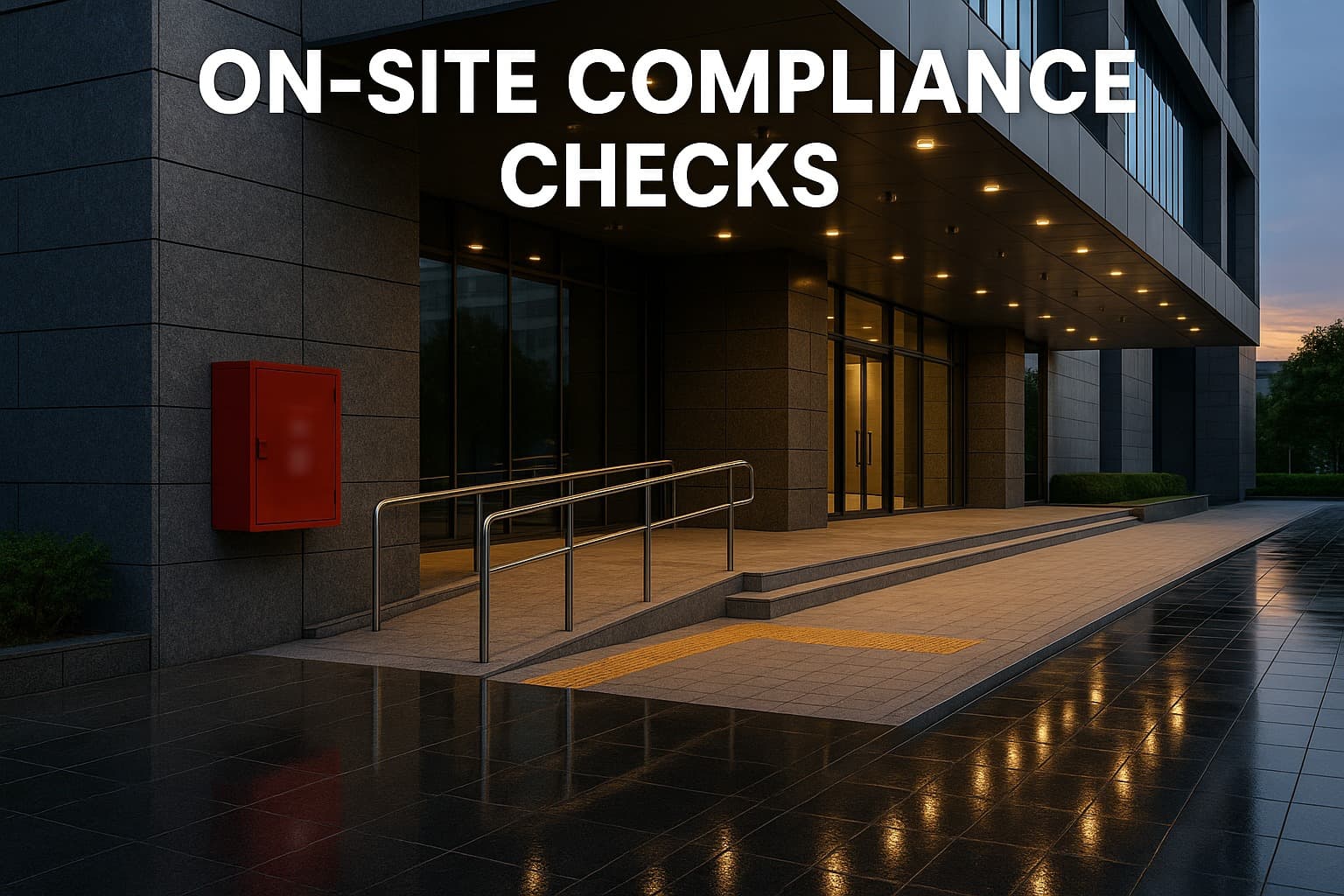
To make the stepwise CC procedure easy for everyone, the steps can be divided into clear stages. First, the builder completes the construction according to the sanctioned layout. Then the builder submits a formal CC application to the municipal authority. After this, the authority sends inspectors to examine the building. They check structural safety, fire protection, drainage systems, access roads, parking areas and other essential features. Once all checks are cleared, the authority processes the request for issuing the Certificate. This step-by-step method keeps the process organized.
5. Builder CC Application Steps in Detail
Builders follow specific builder CC application steps before submitting the form. They must ensure that the construction matches the approved drawings and that all required facilities are installed properly. They also need to gather accurate documents to support the application. The builder then fills out the CC request form and submits it to the authority along with the required supporting files. After this, the authority registers the application and schedules a site inspection to verify the construction quality.
6. CC Documentation List: What Authorities Need
One of the most important parts of the process is preparing the CC documentation list. Authorities usually ask for several essential items, including: Approved building plan Architect’s completion letter Structural engineer’s safety certificate Fire safety clearance Environmental compliance documents Photos of the completed structure Details of water, drainage and electrical systemsThese documents required for a property Completion Certificate help authorities confirm that everything has been completed as per standard rules. Missing documents may delay approval, so proper preparation is important.
7. Full Process of CC Approval Explained Clearly
The full process of CC approval explained shows how each stage works together. After receiving the application, the authority performs a thorough inspection. They look at the structure’s stability, boundary markings, road width, parking layout and essential service connections. If any portion is not built as per the plan, the authority may ask for corrections. When everything matches the approved design, the authority processes the request and issues the Completion Certificate. This document then becomes the official proof that the building is fully completed according to rules.
8. Timeline and Procedure for Getting a CC for Buildings
The timeline and procedure for getting a CC for buildings varies slightly depending on the city and authority, but the general flow remains similar. Once the builder applies, inspections typically take place within a reasonable timeframe. If all requirements are met, the certificate may be issued shortly after the verification. However, delays may occur if certain corrections are needed. Understanding this timeline helps builders plan handovers and helps buyers track the progress of the project. It also ensures transparency at every stage.
9. Importance of Following the CC Process Carefully
Following the CC process correctly avoids legal issues in the future. Builders who complete every step on time can hand over homes smoothly and maintain trust with buyers. For buyers, asking for the Completion Certificate ensures that the construction they are investing in is legal and safe. When both sides understand the CC application rules clearly, it becomes easier to finalize real estate transactions without confusion. A clear, organized approach to CC strengthens the overall reliability of the project.
Summary
A Completion Certificate is a crucial document that confirms a building is constructed legally and safely. This blog explained the CC process, CC steps, documentation and the full approval procedure in simple language. Builders must follow proper application steps, submit the correct documents and undergo inspections by municipal authorities. Buyers also rely on CC to ensure that their future home is structurally sound. By understanding the timeline, procedure and importance of CC, both builders and buyers can complete property transactions with confidence and clarity.