
South Mumbai's Oldest Neighbourhoods Are Next in Line
Summary
After successfully piloting the cluster redevelopment model in Kamathipura, MHADA is now targeting Dongri in South Mumbai for similar transformation. This initiative under DCPR 2034 aims to provide safe housing and unlock land in congested, historic neighbourhoods.

There is a certain rhythm to how MHADA works through Mumbai's most distressed urban zones. First, it builds confidence in one area, shows that the cluster model can work at scale, and then turns its gaze to the next pocket of the city crying out for transformation. With the Kamathipura redevelopment finally moving from paper to reality, MHADA has now set its sights on Dongri, one of south Mumbai's densest and most historically layered neighbourhoods.
What Kamathipura Proved
The Kamathipura cluster redevelopment was a long time coming. The 34-acre precinct in south Mumbai, home to nearly 8,001 residents living in hundreds of old and deteriorating cessed and non-cessed buildings, was formally cleared for MHADA-led cluster redevelopment under Regulation 33(9) of the Development Control and Promotion Regulations, or DCPR 2034. The Maharashtra government designated MHADA's Mumbai Building Repairs and Reconstruction Board as a Special Planning Authority for the project, giving it the administrative teeth to push things through faster. Contracts were eventually awarded in late 2025, with work expected to commence shortly after.
The rehabilitation offer to residents is 500 sq ft two-bedroom carpet flats, a significant upgrade from the cramped 50 to 180 sq ft tenements many families have lived in for generations. This kind of transformation, delivered under a structured and transparent authority-led model, is precisely what makes the cluster redevelopment template so attractive to apply elsewhere.
Dongri: The Next Frontier
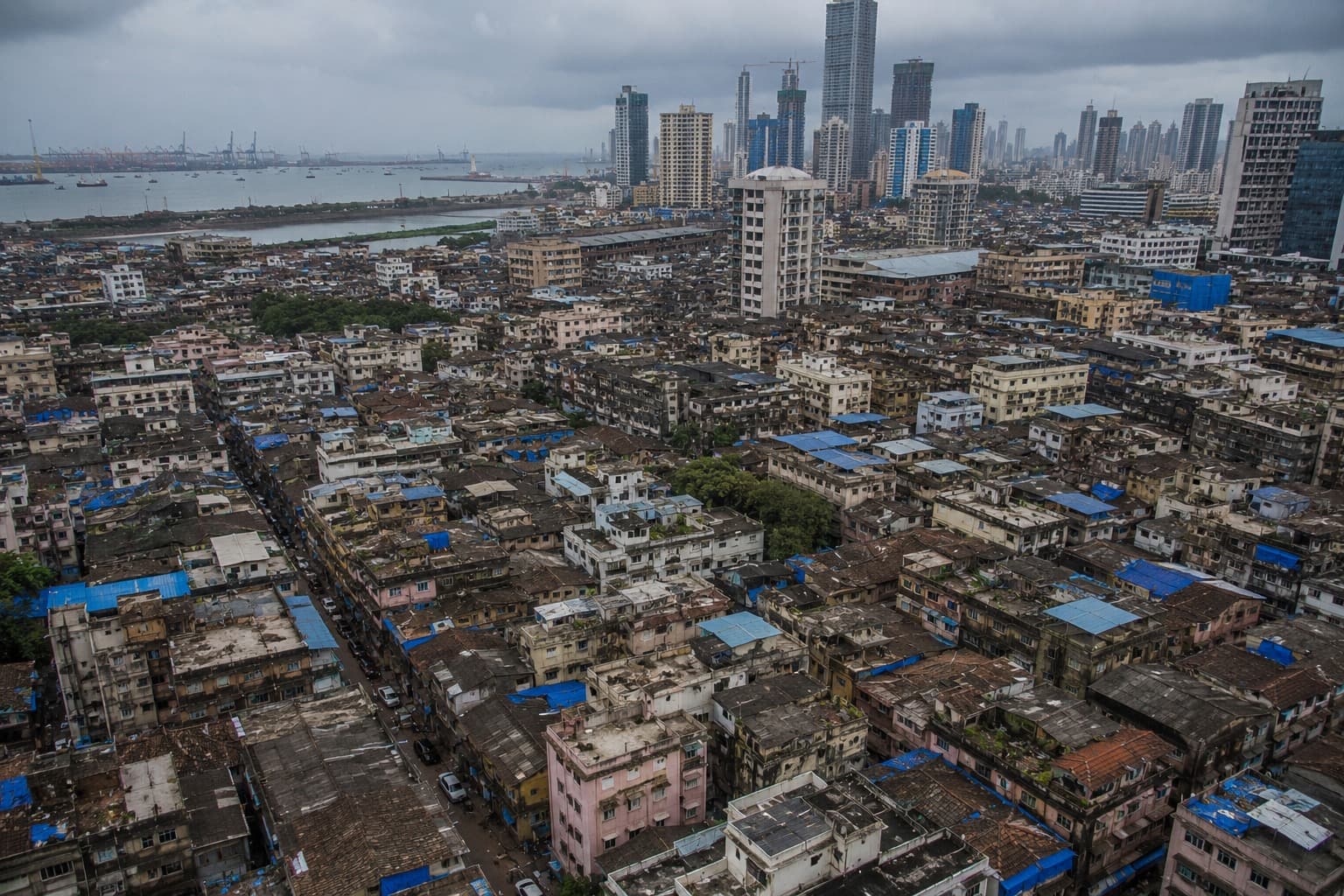
Dongri sits in Mumbai's C ward, tucked between Mohammed Ali Road and the older textile precinct of the city's southern peninsula. Like Kamathipura, it is characterised by century-old buildings, extremely narrow lanes, chronic overcrowding, and structures that have long outlived their safe usable life. The area saw a tragic building collapse in 2019 that killed over a dozen people, briefly focusing official attention on its structural vulnerability before the urgency faded.
MHADA's interest in taking the Dongri cluster revamp forward is part of a broader stated commitment to expanding the cluster model across south Mumbai's most congested wards. After nudging housing societies in Colaba, Girgaon, Byculla, and surrounding areas to consolidate their redevelopment proposals and approach MHADA collectively, the authority has signalled it will step in as a direct developer wherever private builders find individual plots commercially unviable. Most of these plots are between 400 and 600 sq metres, simply too small for a standalone tower project to make financial sense.
Why This Time May Be Different
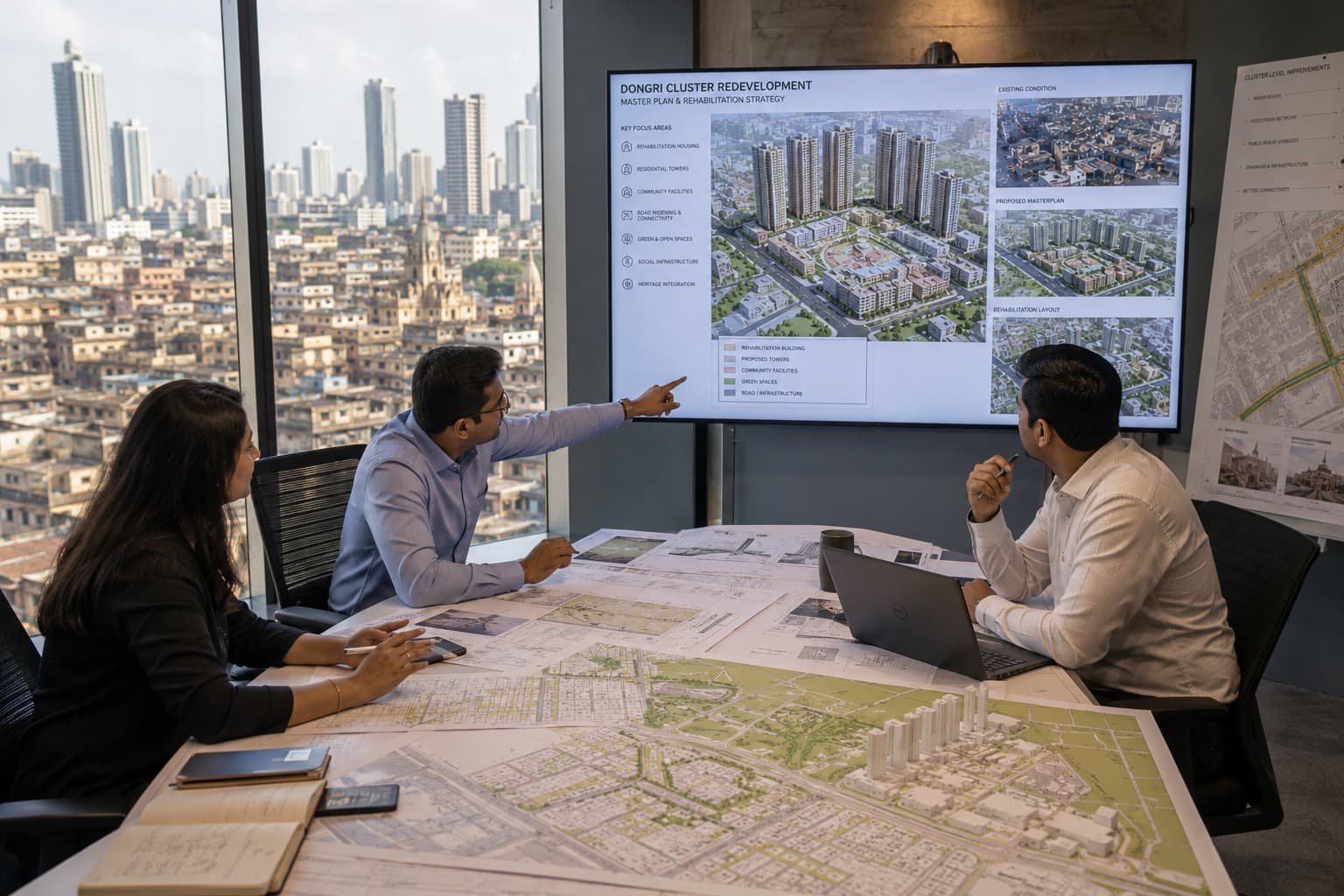
South Mumbai redevelopment projects have historically failed not for lack of intent but because of three interlocking problems: residents refusing to vacate dilapidated structures, developers backing out due to low financial returns, and regulatory delays stretching timelines beyond practical limits. The MHADA cluster scheme under DCPR 2034 addresses much of this by pooling plots, increasing permissible floor space index to 4, and allowing MHADA itself to function as the planning and development authority simultaneously.
The Kamathipura experience also provides a cleaner blueprint for managing tenant transitions, biometric surveys, and transit camp placements, all of which will be necessary when Dongri's cluster redevelopment gets formally initiated.
What This Means for Residents and the Market
For the thousands of families still living in pre-independence structures across Dongri, a MHADA-led redevelopment would mean access to safe, legal, and formally titled housing, possibly for the first time. For the broader Mumbai real estate market, the progressive unlocking of land in south Mumbai through authority-driven cluster schemes could gradually expand housing supply in an area starved of it.
Summary
Building on the momentum of the Kamathipura cluster redevelopment, MHADA is now advancing plans for a Dongri cluster revamp in south Mumbai. Using the proven MHADA Mumbai MBRRB model under DCPR 2034's cluster redevelopment framework, the authority aims to rehabilitate residents living in dangerous, century-old structures. The expansion of this south Mumbai redevelopment drive signals a serious institutional push to transform the city's most neglected neighbourhoods into safer, better-planned urban communities before the decade is out.