
Setting Up a Seamless Utility Billing System for Your Rental Property
Summary
Establish a fair utility billing system for your rental property by understanding legal requirements, choosing the right methodology (submetering or RUBS), and integrating clear policies into lease agreements. Automate the process with modern tools for efficient management and tenant satisfaction.

Introduction: The Foundation of Fair Financial Management
Managing a rental property portfolio requires clarity in every financial transaction, especially when it comes to shared operating expenses. One of the most frequent areas of confusion and conflict between landlords and residents is Utility billing. Establishing a clear, legally compliant, and practical system for handling Property utilities is crucial for maintaining a healthy business relationship. This guide provides an indispensable framework for property owners seeking to implement a transparent and efficient billing structure. We will explore the definitive answers to How to set up utility billing for tenants in rental properties, ensuring that your approach is both equitable for your residents and profitable for your business, promoting financial harmony from day one.
The Legal Starting Point: Who Pays What?
Before designing any billing system, property owners must grasp the legal framework surrounding Tenant bills. Generally, the responsibility for utilities like water, gas, and electricity falls to the person who consumes them. However, in multi-unit buildings (like apartments or duplexes) with a single master meter, the landlord is typically the utility customer of record. This is where the process of Splitting electricity and water bills legally becomes necessary. It is paramount to check local and state regulations, as rules dictate whether you can charge tenants and, crucially, how you can calculate those charges. A thorough understanding of your Landlord utility responsibility checklist ensures you stay on the correct side of tenant protection laws and mandates.
Choosing the Right Cost-Sharing Methodology
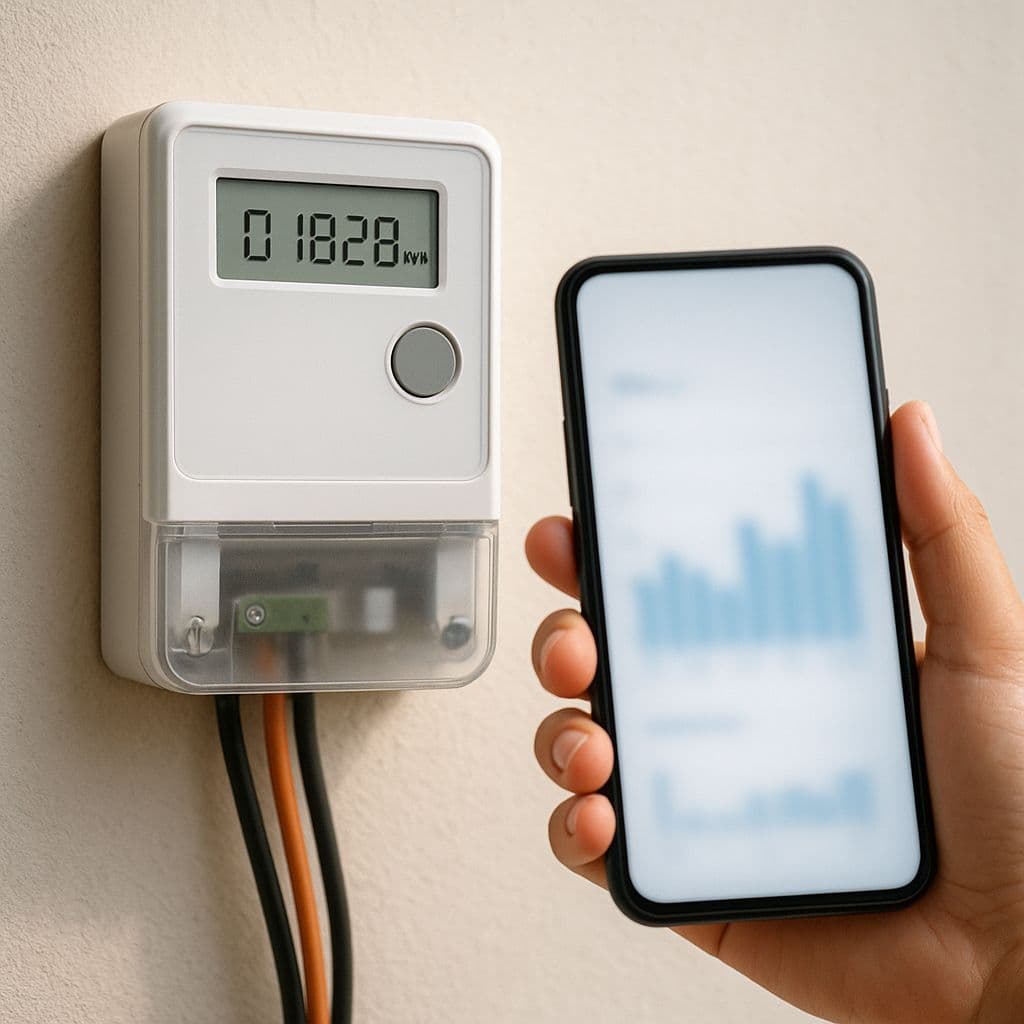
The selection of a methodology is the key to managing Water charges and other utilities fairly. There are two primary approaches for multi-unit properties. The ideal, most transparent method is submetering, where individual meters are installed for each unit, allowing tenants to pay based on their exact consumption. This is the most effective of the Legal and practical methods for utility cost sharing as it incentivizes conservation. If submetering is not feasible (e.g., due to prohibitive installation costs or building age), the second option is the Ratio Utility Billing System (RUBS). RUBS allocates the master bill based on a consistent, objective formula, typically factoring in the unit size or the number of occupants.
Integrating Utility billing policies to include in rent agreements
Transparency begins with the lease. It is absolutely essential to incorporate clear Utility billing policies to include in rent agreements. Ambiguity is the fastest route to disputes and misunderstandings. The agreement must explicitly state whether Electricity rent and other costs are included in the rental price or billed separately. If billed separately, the lease must detail the calculation method (e.g., "Tenant will be responsible for their proportional share of the master water bill, calculated via the RUBS method based on square footage"). The act of Adding utilities to rent agreements transforms a potential conflict into a contractual obligation, providing a sound legal basis for collecting these funds.
A Practical Guide: Step-by-step guide for managing water, electricity, and gas payments
Following a definitive procedure is vital for consistency. Here is a Step-by-step guide for managing water, electricity, and gas payments: Receive the Master Bill: Get the primary utility bill for the entire property. Calculate Usage: Apply the chosen method (submeter readings or RUBS formula) to determine each unit's share. Prepare the Invoice: Create a clear, itemized invoice for each tenant, showing the total consumption, the applied rate, and the final due amount. Issue the Invoice: Distribute the Tenant bills promptly with a set due date, often matching the rent cycle. Collect Payment: Process the payments and maintain detailed records. This meticulous approach is central to How to manage utility billing for tenants efficiently and professionally.
Avoiding the Pitfalls: Common utility billing mistakes to avoid
Property management is fraught with potential errors, and utility management is no exception. Understanding Common utility billing mistakes to avoid can save landlords considerable time and legal expense. One key error is charging an excessive administrative fee that exceeds the actual cost, which is illegal in many jurisdictions. Another mistake is using inconsistent billing methods or failing to provide tenants with a copy of the master bill upon request. Guessing consumption instead of using measured data (via submeters or RUBS) will lead to distrust and disputes. Always remember that the primary goal is fair recovery, not profit generation from Property utilities.
Leveraging Modern Technology: Tenant utility management and payment automation tools
In today's digital landscape, manual tracking of Water charges and Electricity rent is inefficient and prone to human error. Utilizing Tenant utility management and payment automation tools is a highly recommended best practice. Specialized software solutions can automatically read submeters, calculate the RUBS allocation, generate detailed, professional invoices, and even integrate the utility payment directly into the monthly rent collection process. This technological integration simplifies How to set up utility billing for tenants in rental properties by providing automatic reconciliation, clear audit trails, and a convenient payment experience for the resident, streamlining the entire workflow.
Ensuring Fair Recovery: The Conservation Incentive
When the billing method is direct and transparent, it creates a powerful incentive for conservation. This is a critical benefit of Splitting electricity and water bills legally based on consumption. When a tenant knows they are only paying for their own usage, they are naturally motivated to reduce waste, such as promptly reporting leaks or being mindful of excessive heating and cooling. This conscientious behaviour lowers the overall master bill, benefiting the landlord by decreasing the non-recoverable shared usage (e.g., in common areas) and reduces maintenance headaches. A well-designed system, including a clear Landlord utility responsibility checklist, fosters a shared commitment to resource efficiency.
The Ongoing Requirement for Clarity and Documentation
The ongoing success of your Utility billing system hinges on documentation. Every calculation, meter reading, and payment must be logged meticulously. Maintaining accurate records is necessary not only for tax purposes but also for resolving any future tenant questions or legal challenges. The explicit language used when Adding utilities to rent agreements must be reinforced by consistent execution. Regular review of your How to manage utility billing for tenants process against local housing codes is essential, ensuring that this administrative task remains a source of steady financial recovery and transparency, rather than becoming a source of ongoing tenant dissatisfaction or regulatory risk.
Summary
A robust Utility billing system is crucial for rental properties. Landlords must use a Step-by-step guide for managing water, electricity, and gas payments and avoid Common utility billing mistakes to avoid. The key is to be clear: incorporate Utility billing policies to include in rent agreements when Adding utilities to rent agreements. Implementing Tenant utility management and payment automation tools ensures fair Water charges and Electricity rent collection. This is central to How to manage utility billing for tenants, ensuring Property utilities are recovered efficiently, and the Landlord utility responsibility checklist is always met.