
Selling Your Home 'As Is': Pros, Cons, and Best Practices
Summary
Selling your home 'as is' can be quick and convenient, but requires careful planning. Understand the pros, cons, pricing strategies, and best practices for a successful sale without renovations.

Introduction
In today’s dynamic real estate sale market, homeowners often face an important decision — should they invest in renovations before selling, or sell the property as is? Opting to sell a home in its current state, without spending on repairs or upgrades, has become increasingly popular, especially among those who need a quick sale or are working within tight timelines.
While this approach saves both time and money, it also has its challenges. Understanding the pros and cons of selling your home as is helps you make a well-informed choice that fits your financial goals and your property’s actual condition.
What Selling “As Is” Means in Real Estate
To sell as is means offering your home in its current state — without any repairs, renovations, or cosmetic changes before listing it. Buyers agree to purchase the property knowing that it might have certain flaws, wear, or pending maintenance work.
In a typical real estate sale, sellers often repaint, fix plumbing, or update interiors to attract higher offers. But in an “as is” transaction, you skip all that effort. This option is ideal for those who want to save time, reduce costs, or avoid the stress of home improvement projects before selling.
Benefits of Avoiding Repairs Before Sale
The biggest advantage of avoiding repairs before selling is saving time and money. Renovation projects can be expensive and may take months to complete — especially if the property needs structural repairs, electrical rewiring, or new fittings.
By selling as is, you bypass these hurdles, making it easier to close a deal quickly while cutting down on expenses. Moreover, many buyers — especially investors and developers — prefer homes in original condition because they can remodel them according to their own taste or business plan. For older or inherited properties, this makes “as is” sales particularly appealing.
When to Sell Property Without Renovation
There are several situations when it makes sense to sell property without renovation. If you are relocating for a job, managing an inherited house, or facing financial stress, spending on major repairs may not be practical.
In such cases, selling as is offers simplicity and speed. Homes in high-demand areas often receive decent offers even without upgrades. For sellers dealing with time pressure or limited budgets, this approach allows a smooth, hassle-free transaction and faster closing.
Risks of Selling Home As Is in India
Despite its benefits, there are certain risks involved in selling home as is in India. Buyers might assume the property is poorly maintained or overvalued, leading to lower offers or extended listing periods.
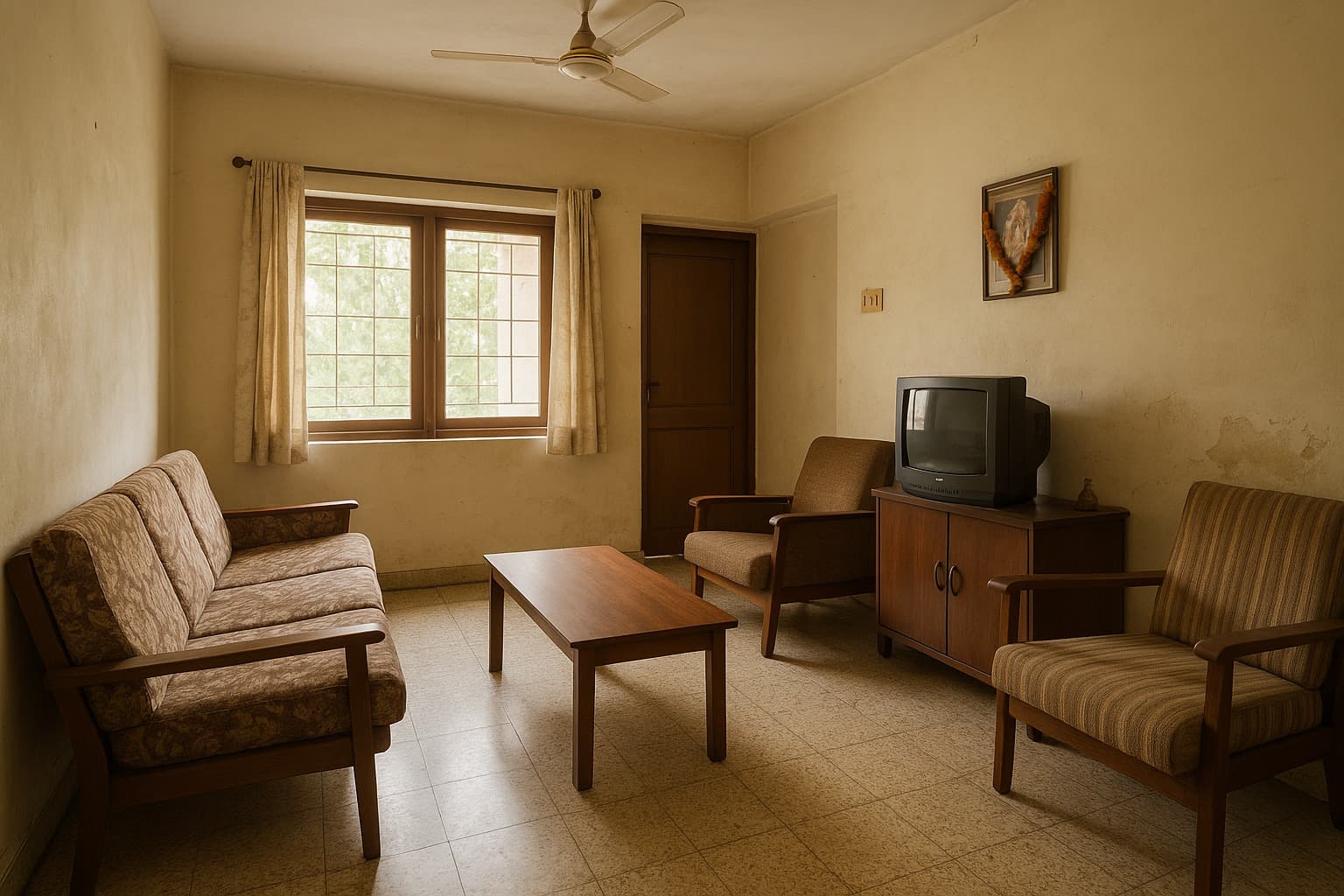
Since buyers know that no improvements have been made, they tend to negotiate harder. Being transparent about the property’s actual condition helps build trust. It’s also essential to ensure that all property documents are accurate and updated, as “as is” homes often undergo closer scrutiny during inspection or legal checks.
How to Price an “As Is” Property Competitively
Pricing is the most crucial factor in selling your home successfully. Knowing how to price an “as is” property competitively helps attract serious buyers while avoiding underpricing.
Start by researching recent sales of similar properties in your area. Consider hiring a professional valuer to estimate the property’s fair market price, factoring in the cost of necessary repairs. A realistic price ensures quicker interest from investors and value-conscious buyers. Remember, overpricing an “as is” property may deter buyers, while fair pricing can lead to faster offers and smoother negotiations.
Advantages of Quick Sale vs Renovated Sale in India
One of the biggest advantages of quick sale vs renovated sale in India is flexibility. A quick sale gives you immediate access to funds and eliminates ongoing maintenance expenses — ideal if you own multiple properties or need urgent liquidity.
While renovated homes may attract higher prices, they also involve additional investment, project delays, and uncertainty. For many sellers, particularly those on tight budgets, selling “as is” offers a balanced and efficient way to exit the market with less stress and greater convenience.
Selling Your Home As Is: Pros, Cons, and Best Practices
When deciding to sell your property, choosing to sell it “as is” — without making repairs or upgrades — can be a practical option for many homeowners. While it offers speed and convenience, it also requires strategic planning to ensure a fair outcome. Here’s a detailed look at the pros, cons, and best practices to follow when selling your home in its current condition.
Pros:
Saves money by avoiding costly repairs, upgrades, or renovations before listing.
Enables a faster real estate sale and closing, ideal for sellers managing relocations or financial constraints.
Attracts cash buyers and property investors who prefer remodeling homes to suit their own preferences.
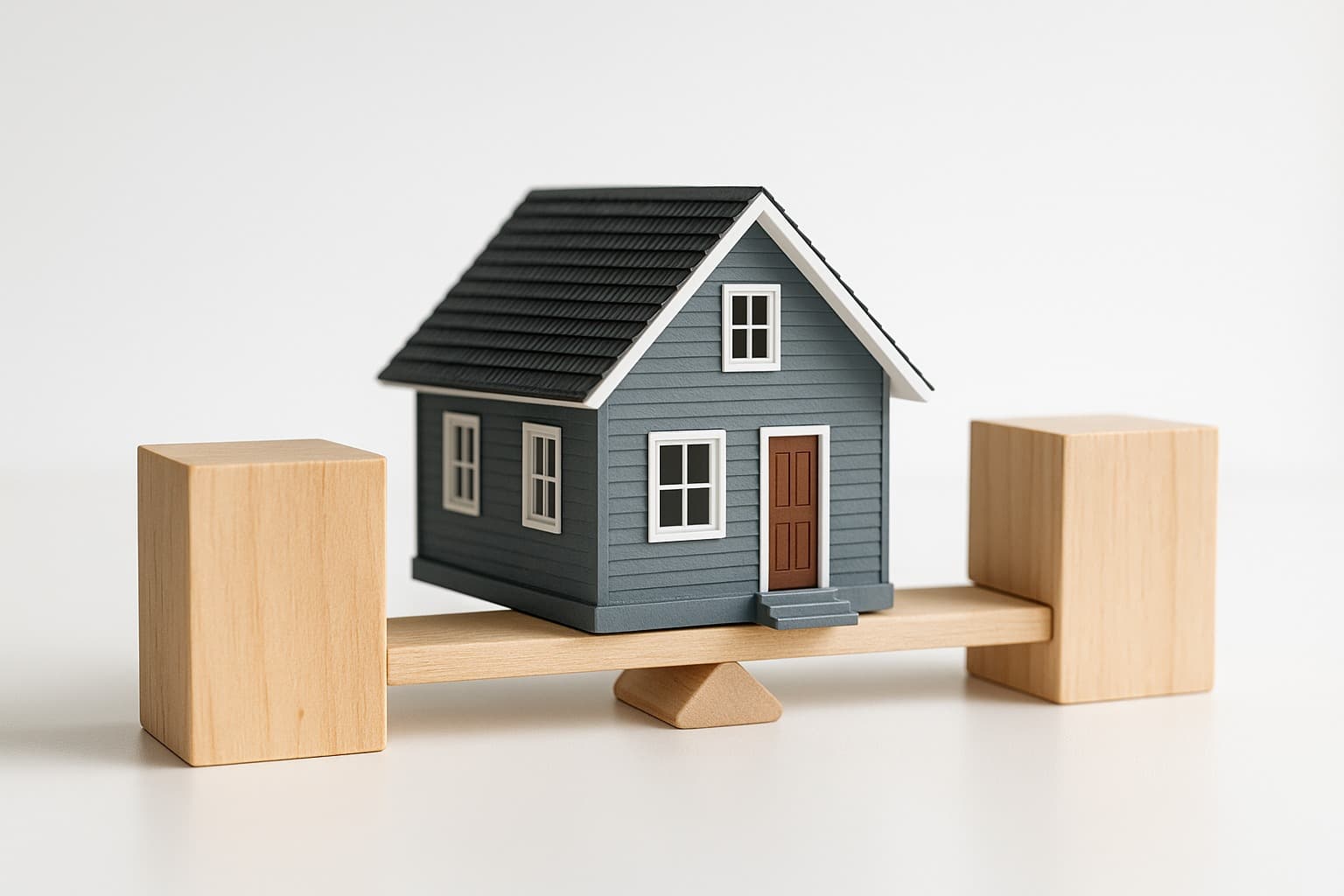
Reduces stress and preparation time, eliminating the need to manage renovation projects or contractors.
Cons:
May lead to a lower sale price, as buyers typically account for future repair expenses.
Limits the buyer pool, since many prefer move-in-ready or updated properties.
Requires strategic and competitive pricing to attract genuine buyers and avoid extended listing periods.
Best Practices:
Be transparent about the property’s true condition to build trust with potential buyers.
Provide inspection reports or disclose known issues to maintain credibility and smooth negotiations.
Declutter, clean thoroughly, and enhance lighting to create a neat and inviting appearance.
Highlight location advantages and long-term potential to help buyers see value beyond cosmetic flaws.
Work with an experienced real estate agent who can market “as is” homes effectively and secure the best possible deal.
Real Estate Advice for Selling Homes in Original Condition
Experts offering real estate advice for selling homes in original condition suggest a few simple but effective steps. Identify your target buyers — whether investors, developers, or end users — and market the property accordingly. Make sure all legal papers and ownership documents are clear to inspire confidence.
Partnering with an experienced agent who understands the pros and cons of selling your home as is can make a big difference. A good agent can help you decide when to consider selling property without repairs and negotiate terms that align with your goals. With professional guidance and transparent marketing, “as is” sales can deliver fair and stress-free results.
Summary
Choosing to sell as is can be a smart and efficient strategy when time or funds are limited. While it avoids the costs of renovation, sellers must understand the pros and cons of selling your home as is to prevent undervaluation. Knowing how to price an “as is” property competitively and being transparent with buyers are key success factors. For homeowners seeking a quick and convenient real estate sale, especially in high-demand areas, this approach offers liquidity, flexibility, and peace of mind — without compromising on integrity.