
Selling Vacant vs. Occupied Home: A Comprehensive Guide
Summary
Selling vacant vs. occupied? Weigh the pros & cons. Vacant homes offer flexibility, while occupied homes provide a lived-in feel. Staging and market conditions are key!

Introduction
When preparing to sell a home, one of the first decisions every seller faces is whether to list the property vacant or occupied. This decision can greatly influence how fast the property sells, the kind of buyers it attracts, and the final sale value. A vacant home sale allows flexibility for showings and easier staging, while an occupied property creates a sense of warmth and connection. To make the most out of your home resale, it’s important to understand the pros and cons of selling property while living in it and identify which option aligns best with your needs and goals.
Understanding Vacant Home Sale
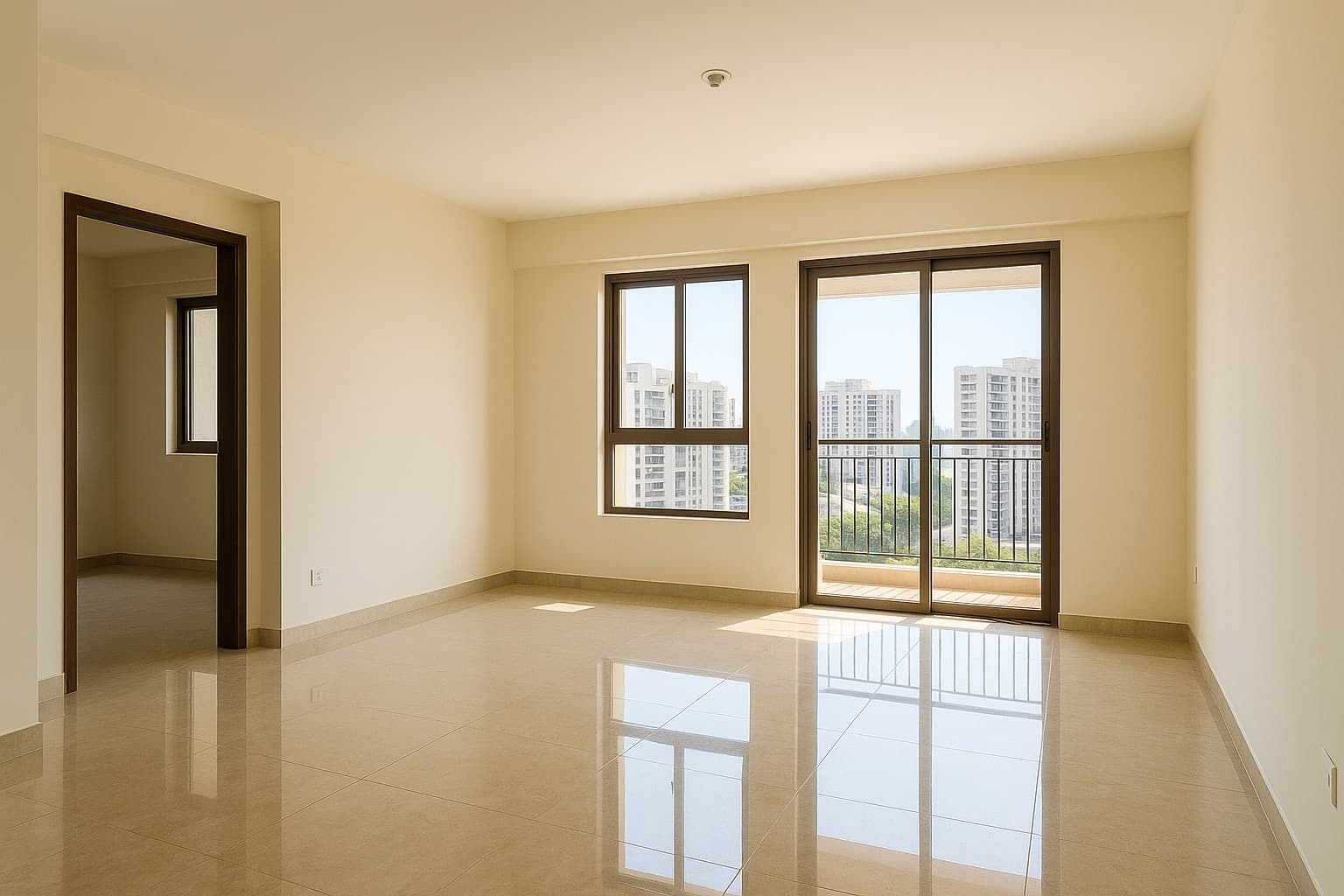
A vacant home sale means the property is completely empty before being listed on the market. This offers several advantages — unrestricted showings, easy photography, and a blank canvas that helps buyers imagine their own vision. Real estate agents often prefer such homes as they can conduct visits anytime without disturbing the occupants. However, empty properties can sometimes appear dull or highlight small flaws like wall cracks or faded paint. This is where professional staging becomes crucial. Adding a few light furniture pieces, potted plants, or artwork can make a big difference. Following the right staging tips for both vacant and occupied homes ensures the property feels inviting and ready to impress buyers.
The Nature of an Occupied Property
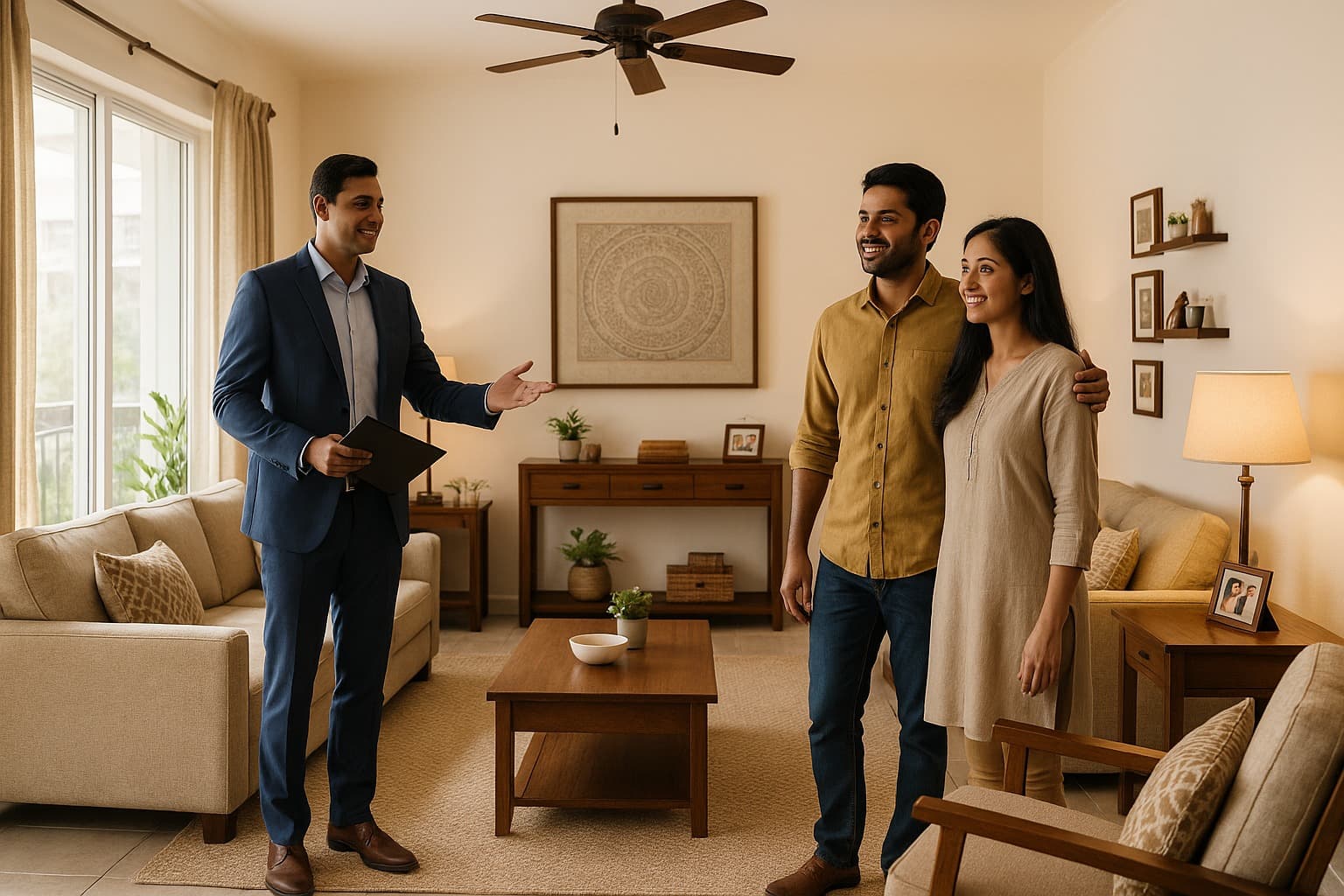
An occupied property refers to a home where the owner or tenants continue to live while it’s being sold. This approach is very common in India, where most families stay in their homes until the sale is complete. Such homes often carry a natural warmth that shows buyers how the space functions in everyday life. However, selling while living in the property requires extra effort to keep it clean, organized, and clutter-free. Busy routines, children, or pets can make this more challenging. Still, an occupied property often appeals to buyers looking for a ready-to-move-in home, as it highlights practicality and liveability in the real estate resale market.
Selling Vacant vs Occupied Home Comparison
The selling vacant vs occupied home comparison highlights that both approaches come with distinct benefits. A vacant home gives the real estate agent complete flexibility to host open houses, take photos, and schedule multiple visits without restrictions. On the other hand, an occupied home provides a warm, relatable environment that emotionally connects with buyers. However, it might limit showing times and flexibility. When choosing between the two, sellers should consider factors such as property condition, required repairs, time constraints, and how the home will be presented in the home resale market.
Buyer Perception of Empty vs Furnished Houses
Buyer perception of empty vs furnished houses can vary greatly depending on individual preferences. A vacant property gives potential buyers a sense of space and possibilities, but it can sometimes feel cold or smaller without furniture. In contrast, a clean, well-arranged furnished home feels inviting and relatable. Buyers can easily picture themselves living there, which can speed up decision-making. However, too many personal items or clutter can distract buyers. The perfect balance lies in neutral décor, tidy rooms, and good lighting to highlight your home’s best features — key aspects in creating a positive real estate sale impression.
Pros and Cons of Selling Property While Living in It
There are several pros and cons of selling property while living in it. On the positive side, sellers save on rent or temporary accommodation and maintain control over the home’s condition. The lived-in appearance helps buyers imagine a realistic lifestyle. However, managing frequent showings, keeping the home spotless, and maintaining privacy can become stressful. Families with children or pets may find this particularly challenging. Planning ahead — such as coordinating with your agent and setting fixed showing times — can make the process smoother. Despite the effort, occupied homes often make a lasting impression that encourages quicker negotiations.
Which Sells Faster – Vacant or Occupied Homes
When considering which sells faster – vacant or occupied homes, the answer often depends on factors like location, presentation, and market demand. In highly active areas, vacant home sales may move faster since agents and buyers have unrestricted access. However, an unstaged vacant home may appear lifeless, delaying offers. Conversely, occupied homes can sometimes sell faster in emotional markets where buyers connect with the warmth and comfort of a lived-in space. The best approach is to focus on good presentation, realistic pricing, and effective marketing — a combination that ensures a quick and successful home resale.
Staging Tips for Both Vacant and Occupied Homes
Following smart staging tips for both vacant and occupied homes can significantly influence buyer response. For vacant properties, add a few visual elements like rugs, wall décor, or simple furniture pieces to make rooms feel alive. If professional staging isn’t feasible, digital staging offers a cost-effective alternative to showcase your home beautifully online. For occupied properties, focus on decluttering — remove personal photos, keep counters clean, and maintain a pleasant fragrance. Small touches like new curtains, fresh paint, or upgraded lighting can elevate the home’s appeal. Effective staging not only enhances interest but can also lead to quicker and higher offers in a competitive market.
Real Estate Guide for Selling Empty or Occupied Houses
This real estate guide for selling empty or occupied houses shows that both strategies can work well if planned thoughtfully. A vacant home sale is ideal for sellers who have already moved or prefer maximum showing flexibility. It offers convenience but demands attention to visual appeal. An occupied property, on the other hand, suits those who prefer stability until the deal is finalized, offering warmth and authenticity. Whichever option you choose, coordinate closely with your real estate agent, invest in professional photos, and ensure the property is presented in top condition. Combining the right preparation with market insights ensures a smooth and profitable home resale journey.
Summary
Both vacant home sale and occupied property strategies can lead to excellent outcomes when managed strategically. Vacant homes offer flexibility, unrestricted showings, and a blank slate for buyers, while occupied homes provide emotional warmth and help buyers visualize everyday living. Understanding buyer perception of empty vs furnished houses, weighing the pros and cons of selling property while living in it, and applying effective staging tips for both vacant and occupied homes can result in a faster, more profitable real estate sale. With the right planning and presentation, sellers can achieve confident success in India’s evolving property resale market.