
Runwal Enterprises' ₹5,000-Crore Redevelopment Project: Transforming Mumbai's Urban Landscape
Summary
Runwal Enterprises is undertaking a ₹5,000-crore cluster redevelopment project in Mumbai's Marine Lines and Bandra. The project aims to revitalize old housing estates, offering modern homes and infrastructure upgrades while balancing rehabilitation of existing residents with new free-sale properties.

Mumbai’s property market continues to evolve, and a recent move by Runwal Enterprises has captured significant attention across the real estate world. The developer has secured rights for a large-scale cluster redevelopment project in two of the city’s most sought-after areas — Marine Lines and Bandra. With a total estimated value of over ₹5,000 crore, this development marks a bold step in renewing old housing estates and shaping new urban living opportunities in Mumbai’s most prized locations.
What Is Cluster Redevelopment?
Before diving into the specifics of Runwal’s deal, it’s important to understand the idea of cluster redevelopment. In cities like Mumbai where land is scarce and costs are high, cluster redevelopment aims to combine several small neighbouring housing societies or plots into one large project. Instead of piecemeal buildings being upgraded one by one, cluster redevelopment focuses on larger land parcels to build modern, better-planned homes. This approach helps unlock land value and allows developers to build quality modern homes while offering older residents upgraded living spaces.
The Big Deal: Marine Lines and Bandra Projects
Runwal Enterprises has secured rights to redevelop two prime land parcels totalling about four acres in Mumbai — one in Marine Lines and the other in Bandra West. Combined, these parcels are expected to generate a gross development value (GDV) exceeding ₹5,000 crore.
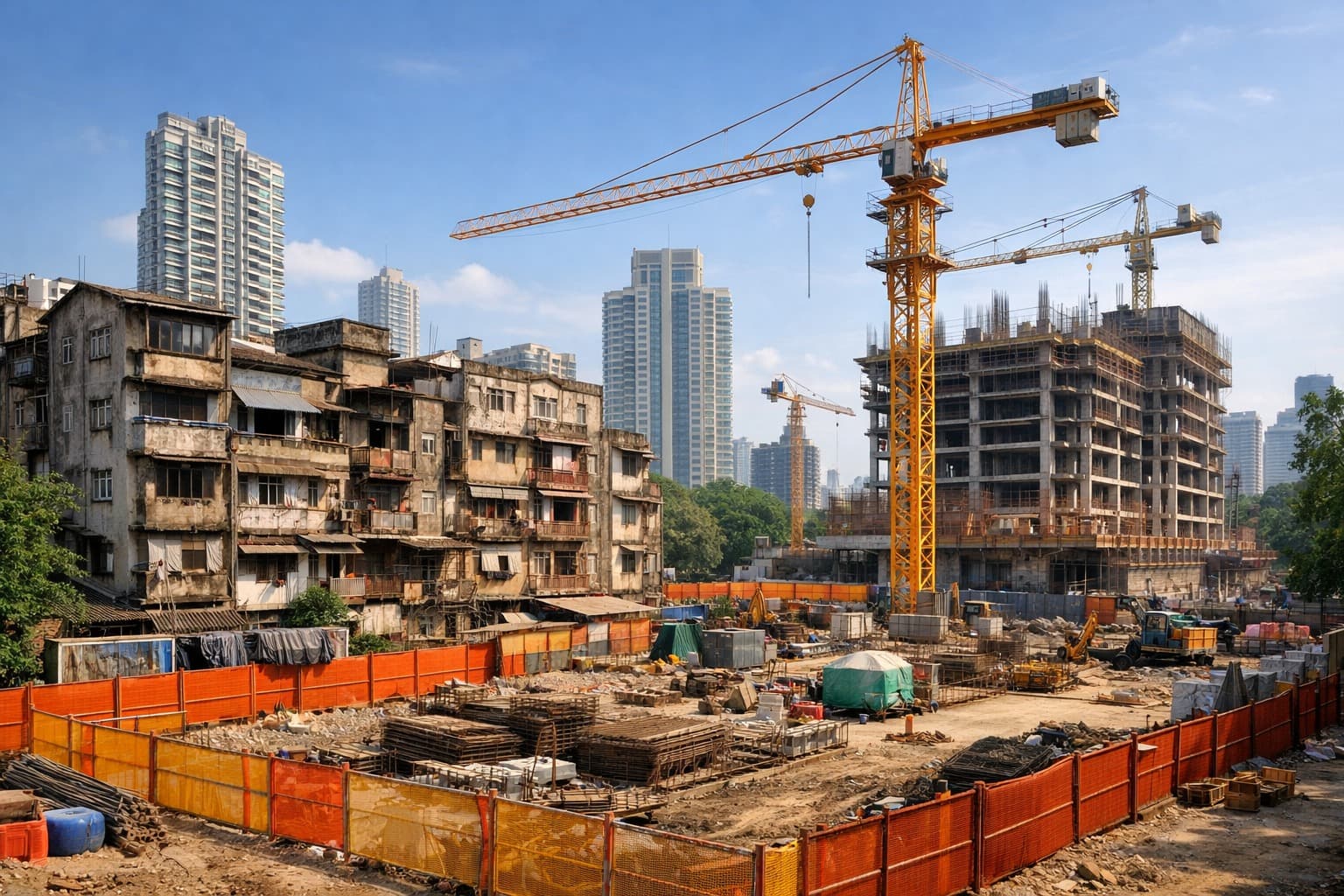
These projects are poised to bring fresh life to areas that had older buildings with outdated structures and stalled plans. One of the projects on Marine Lines had been delayed for over a decade before Runwal stepped in to revive it.
How the Project Will Work
Both Marine Lines and Bandra sites will follow the state’s cluster redevelopment framework. Under this model, developers can combine land from different property owners to create a unified redevelopment plan. They must include two key components:
1. Rehabilitation Component
This means existing residents of the older buildings will be given new apartments within the same redevelopment. For example, the Marine Lines project includes around 200,000 sq ft dedicated to rehabilitating society members currently living there.
2. Free-Sale Component
This part of the project is where Runwal can build and sell new apartments to the open market. In Marine Lines, about 300,000 sq ft will be used for saleable flats, which are expected to generate a major portion of the project’s revenue. Similar planning applies to the Bandra site.
By carefully balancing both rehabilitation and free-sale space, developers can create financially viable projects while upgrading older homes in a way that benefits existing residents.
Why These Locations Matter
Mumbai’s property market has long been driven by demand in key neighbourhoods. Marine Lines sits along the city’s southern tip, offering sea views, historical charm, and close proximity to business and cultural hubs. Bandra, often called the “Queen of Suburbs,” is one of Mumbai’s most vibrant and fashionable neighbourhoods, known for its premium lifestyle, top schools, and excellent connectivity. Securing redevelopment rights in these areas is a big win for any developer because of the high land value and strong demand.
Investment and Construction Plans
Runwal Enterprises plans to invest more than ₹2,500 crore of its own funds to begin development activities. These investments will support construction, rehabilitation of existing residents, and building new high-quality homes.
The Marine Lines project is expected to develop around 500,000 sq ft of space. Of this, 200,000 sq ft is earmarked for rehabilitating current residents and 300,000 sq ft will be used for free-sale homes. The estimated revenue from this free-sale area could be around ₹3,000 crore.
Similarly, the Bandra site covers about 2.5 acres and also offers roughly 500,000 sq ft. The saleable space in Bandra is expected to generate revenue of around ₹2,000 crore. Work on both projects may begin in the first quarter of the next financial year, once required government approvals are obtained.
Impact on Residents and Mumbai’s Urban Growth
Cluster redevelopment projects like these have multiple positive effects:
Modern Homes for Older Residents
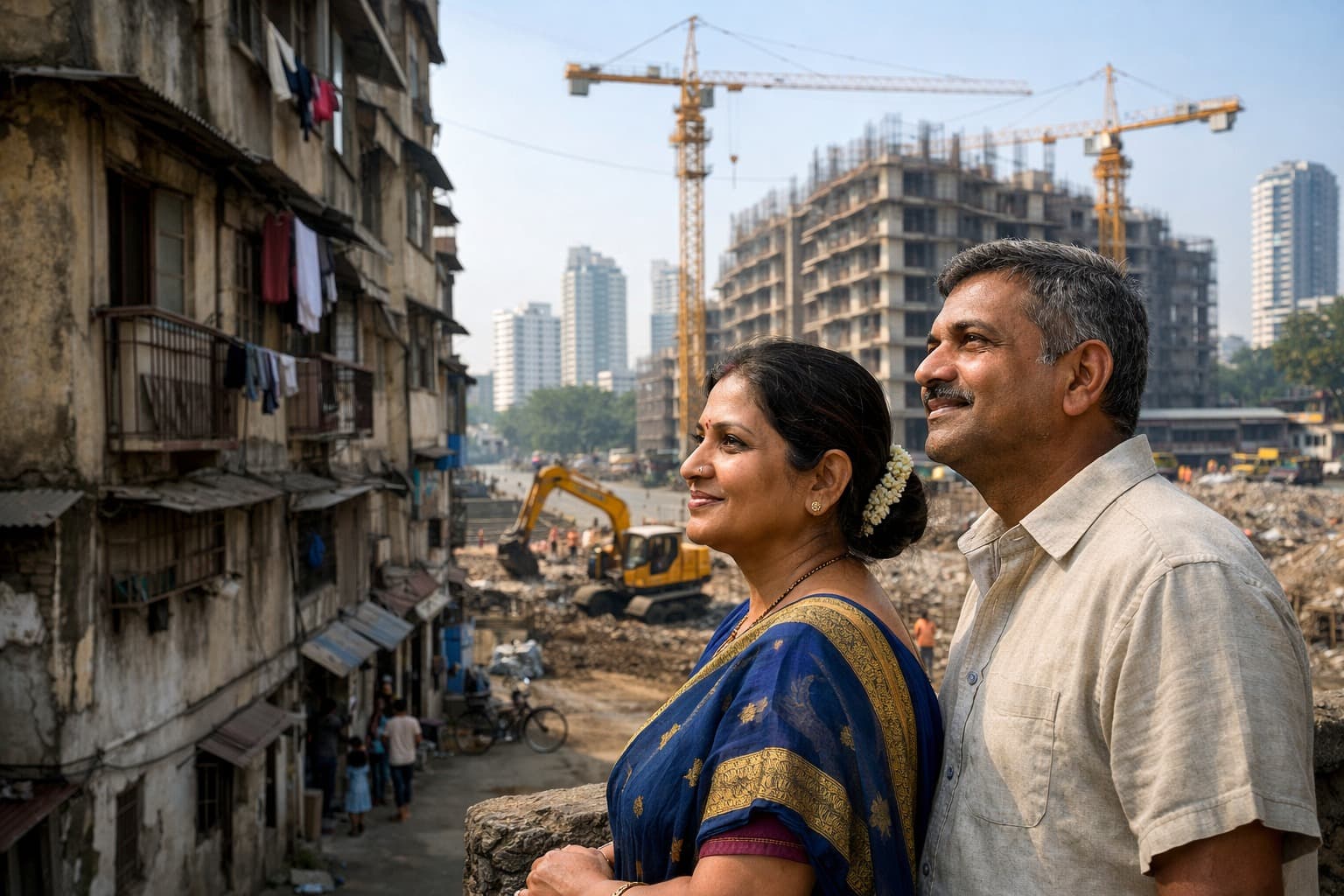
Many housing societies in central Mumbai are old and in need of repairs. Redevelopment brings residents new homes with improved design, better construction quality, and modern amenities. This shift significantly improves the quality of life for long-term homeowners.
Increase in Housing Supply
Mumbai’s housing supply has struggled to keep up with population growth. Redevelopment helps unlock land in areas where vacant plots are rare, bringing more homes into the market.
Urban Renewal and Infrastructure Improvements
Large redevelopment projects often include infrastructure upgrades, such as better drainage, modern electrical systems, and improved public spaces. This contributes to broader urban transformation for the city.
Challenges in Cluster Redevelopment
Although cluster redevelopment has many benefits, the process can face hurdles:
Fragmented Ownership
Different owners in a cluster must agree to the redevelopment terms, which can be challenging.
Government Approvals
Developers must navigate complex regulations and obtain multiple approvals before construction begins.
Funding and Execution Risks
Large-scale projects require major investments and careful planning to complete on time and on budget.
However, Mumbai’s property market has gradually seen more clarity in regulations and stronger policy support, which encourages developers like Runwal to take on large projects.
Summary
Runwal Enterprises has secured rights to redevelop prime land in Marine Lines and Bandra, with a total project estimated at over ₹5,000 crore. These cluster redevelopment plans will combine rehabilitation for existing residents with free-sale homes, unlocking land for modern housing in two of Mumbai’s most valuable neighbourhoods. With investment exceeding ₹2,500 crore and about 1 million sq ft of built-up space, the move aims to renew old estates, improve urban infrastructure, and meet growing demand for quality homes in central Mumbai.
Video will be embedded from: https://www.youtube.com/watch?v=Uf0I46KGZQ0