
RMZ-MMRDA-CIDCO Partnership: A $30 Billion Investment to Transform Mumbai Metropolitan Region
Summary
The RMZ-MMRDA-CIDCO partnership unlocks $30B for Mumbai's infrastructure, focusing on digital assets, commercial hubs, and sustainable growth. This collaboration aims to generate jobs and attract global investment, reshaping MMR's urban development.

Introduction: A Strategic Shift in Mumbai’s Growth Story
Mumbai has always been India’s economic engine, but large-scale urban growth now demands structured partnerships and long-term capital. The recent RMZ MMRDA CIDCO partnership marks a decisive step in that direction. Announced at the World Economic Forum in Davos, this collaboration aims to unlock massive investments, reshape infrastructure planning, and strengthen Mumbai’s position as a global business hub. With a clear focus on sustainability, digital infrastructure, and employment generation, the agreement signals a new chapter in the Mumbai Metropolitan Region investment landscape.
Understanding the RMZ–MMRDA–CIDCO Partnership Framework
The agreement brings together RMZ, a global real estate and infrastructure developer, with public authorities MMRDA and CIDCO. Under this framework, RMZ will facilitate up to $30 billion investment plan MMR over the next decade. Unlike traditional project-based development, this partnership follows a phased and institution-led model. Government bodies will provide land support, approvals, and planning coordination, while RMZ will drive execution, capital mobilisation, and global investor participation.
Why the Mumbai Metropolitan Region Matters
The Mumbai Metropolitan Region investment zone extends beyond the city to include Navi Mumbai, Thane, and emerging urban corridors. This region contributes significantly to India’s GDP and employment base. Infrastructure constraints have long limited its potential. The new MMR infrastructure projects pipeline focuses on easing congestion, creating decentralised business districts, and strengthening logistics networks. By targeting MMR instead of core Mumbai alone, the partnership ensures balanced and future-ready growth.
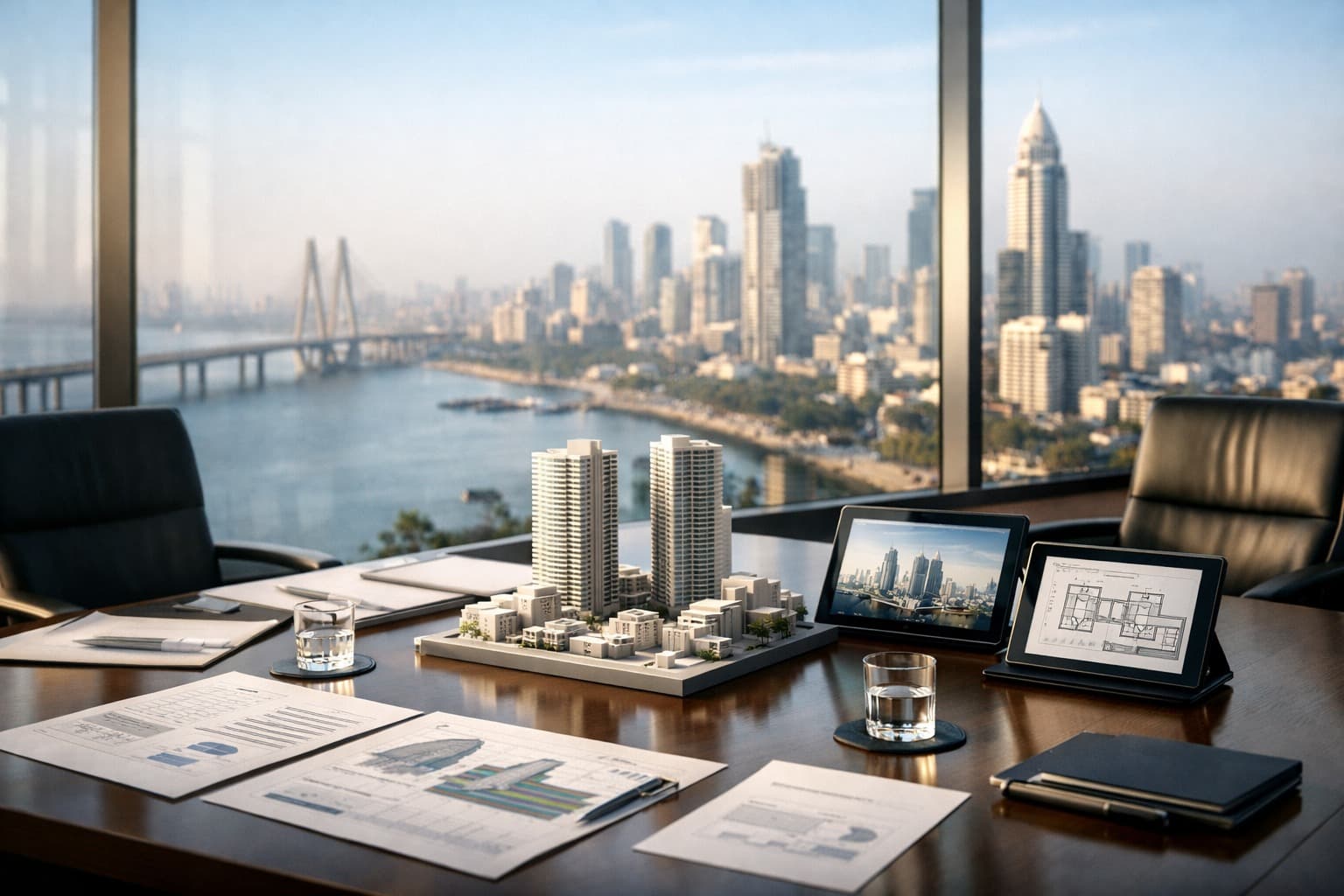
Focus on Navi Mumbai and Digital Infrastructure Expansion
A key highlight of the deal is RMZ’s commitment to Navi Mumbai data centre projects and commercial developments. Navi Mumbai is rapidly evolving into a preferred destination for technology-led infrastructure due to planned layouts and strong connectivity. Data centres, in particular, support India’s digital economy and cloud demand. This Navi Mumbai development push will also attract global technology firms seeking scalable and compliant infrastructure.
Real Estate Impact on Commercial and Mixed-Use Development
The partnership is expected to significantly influence MMR commercial real estate dynamics. Large institutional investments will increase the supply of Grade A offices, mixed-use campuses, and integrated business parks. This will stabilise rental values, improve design standards, and attract multinational occupiers. Over time, residential demand around these hubs will rise, supporting a healthier live-work ecosystem. The Mumbai real estate infrastructure expansion under this plan strengthens long-term asset quality across the region.
Employment Generation and Economic Multiplier Effect
One of the most critical outcomes of the RMZ $30 billion investment plan MMR is job creation. The projects are expected to generate nearly three lakh direct and indirect jobs over their lifecycle. Construction, logistics, technology services, and facility management will see sustained demand. Beyond employment, local economies will benefit from supplier networks, improved mobility, and increased commercial activity, creating a strong multiplier effect across districts.
Role of Foreign Capital and Global Investor Confidence
The collaboration highlights rising foreign investment in Mumbai Metropolitan Region infrastructure. Global investors prefer structured platforms with regulatory clarity and strong governance. RMZ’s institutional approach, combined with state-backed support, offers exactly that. Such partnerships reduce execution risk and attract long-term capital, positioning MMR alongside global urban regions competing for international investment flows.
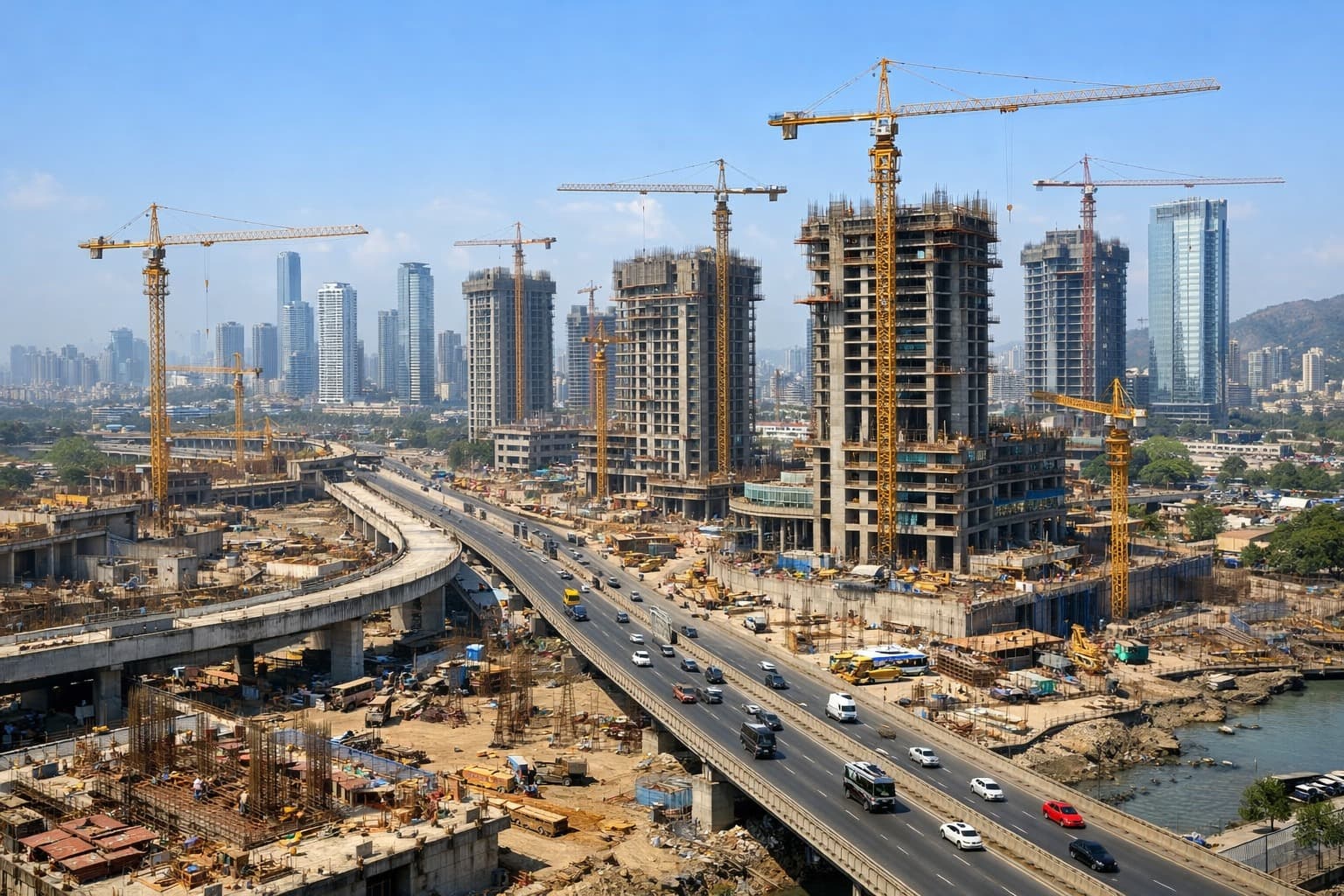
Governance, Planning, and Execution Discipline
A major strength of the RMZ MMRDA CIDCO deal lies in coordinated planning. CIDCO’s role in land allotment and statutory clearances ensures alignment with state policies. MMRDA’s regional planning oversight helps integrate transport, utilities, and zoning. RMZ brings execution discipline and global best practices. This alignment reduces delays, enhances transparency, and ensures that infrastructure growth follows a clear long-term vision.
Long-Term Outlook for MMR Infrastructure Growth
Over the next decade, the partnership will redefine MMR infrastructure growth patterns. Decentralised business districts, digital infrastructure, and sustainable commercial hubs will reduce pressure on South Mumbai. Improved planning will also support affordable housing and mobility solutions around employment centres. As execution progresses, the region is likely to witness steady capital inflows, higher productivity, and improved quality of urban life.
Strategic Significance for India’s Urban Development Model
Beyond Mumbai, this initiative sets a template for future public–private collaborations across India. The MMRDA CIDCO partnership impact demonstrates how institutional capital and government planning can work together to deliver scale, speed, and sustainability. Other metro regions may replicate this model to attract global investors while maintaining regulatory control and long-term development goals.
Summary
The RMZ–MMRDA–CIDCO partnership represents a landmark shift in how the Mumbai Metropolitan Region approaches large-scale development. With a planned $30 billion investment spread over ten years, the focus on infrastructure, digital assets, and commercial hubs promises balanced urban growth. Strong governance, foreign capital participation, and job creation form the backbone of this initiative. As execution unfolds, the partnership is set to strengthen MMR’s global competitiveness and redefine India’s approach to institution-led urban development.
Video will be embedded from: https://www.youtube.com/watch?v=_Aa4pIPjLiQ