
Renting vs. Owning: A Neighborhood-Specific Guide for Metro Residents
Summary
Renting vs. owning in metro areas: Weigh financial readiness, job stability, and lifestyle. This guide helps residents compare costs, yields, and long-term benefits in specific neighborhoods.

Introduction
The decision between renting and buying a home has become one of the most common discussions among people living in metro areas. Both choices come with financial and lifestyle implications, and choosing the right option depends on several personal and market factors. The rent vs buy debate reflects how modern individuals evaluate property ownership, housing affordability, and long-term goals. Urban homebuyers today want flexibility, security, and comfort while still maintaining financial stability. This blog explores the pros and cons of renting vs buying property, along with the different elements that influence real estate decisions in specific neighborhoods. Understanding rental yield, investment potential, and overall cost comparison of rent vs EMI helps individuals make better decisions. With shifting lifestyle priorities and rising home prices, the question remains—what truly makes more sense for metro residents? We look at renting vs owning homes in city neighborhoods through a practical and balanced approach.
Rent vs Buy: Understanding the Real Estate Decision
The real estate decision to rent or buy is often driven by financial capability, stability, and future plans. Renting gives freedom from long-term commitments, while property ownership builds equity and a sense of security. People are now more careful when deciding, especially in areas where property prices are rising faster than salaries. Tools such as a rent vs buy calculator guide urban homebuyers in estimating actual costs and comparing them with rental expenses. Before choosing, it is essential to evaluate current income, future prospects, and the price trends in desired neighborhoods.
Pros and Cons of Renting Property
Renting provides flexibility to shift between locations based on career or family needs. It also avoids the burden of large home loans, property tax, and maintenance costs. For many young working professionals, renting is ideal because it enables them to stay close to job hubs without spending huge amounts on buying. The biggest drawback of renting is that monthly payments do not create any asset. There is no return on investment or ownership advantage. Rental prices also increase over time and may push individuals to reconsider affordability in premium areas.
Benefits and Challenges of Property Ownership
Property ownership brings long-term security and financial appreciation. Over the years, the value of a home usually increases, making it a strong investment. Homeowners also gain pride and stability, especially if they plan to settle in the same neighborhood for a long time. However, buying a home requires a significant down payment, loan approvals, and high EMIs. Housing affordability becomes a major concern in premium locations where costs exceed average incomes. Responsibilities like repairs and society maintenance also add to the expenses. The decision to own must be backed by financial readiness and stable plans.
Cost Comparison: Rent vs EMI in Prime Areas
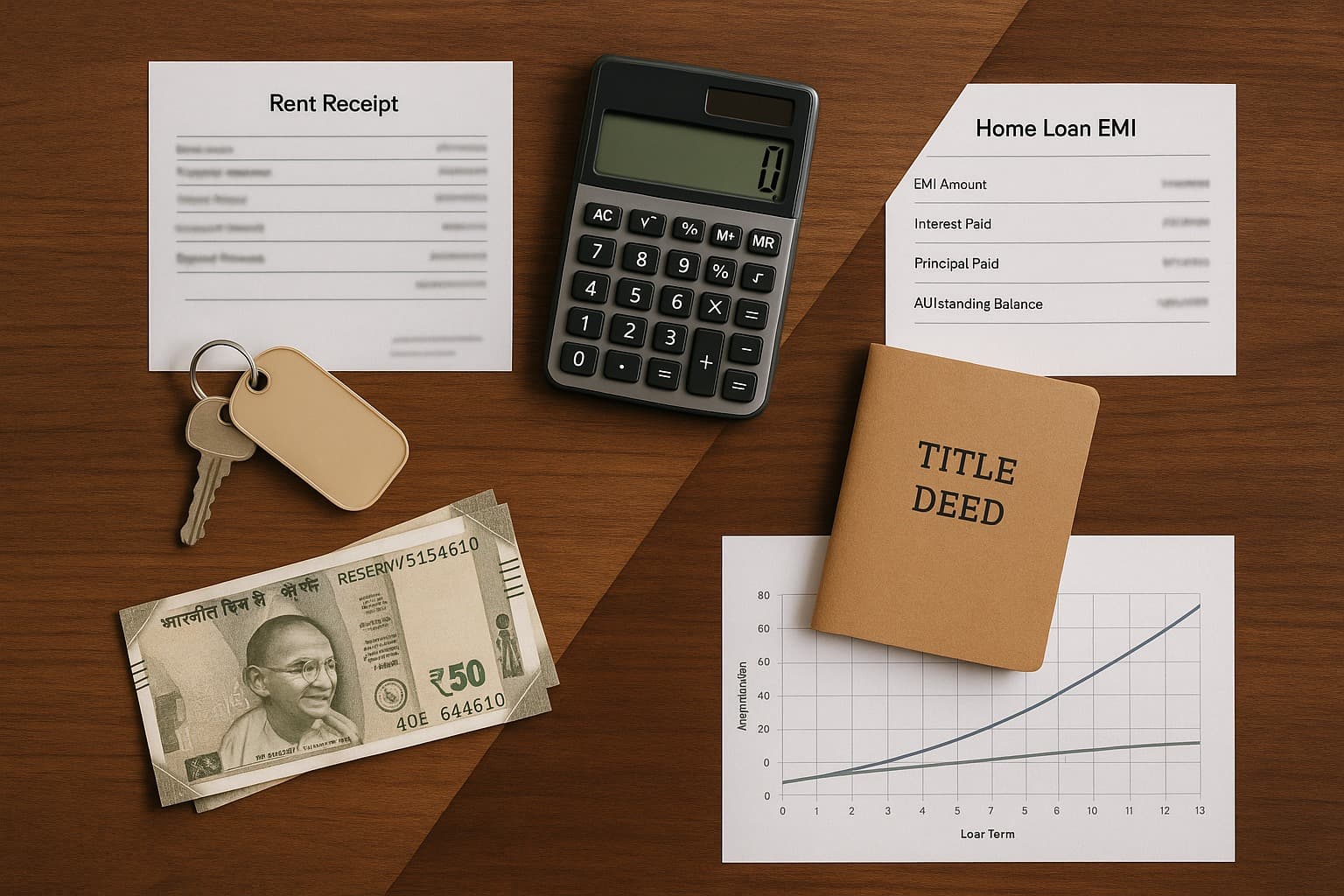
In several metro cities, the gap between rent and EMI has widened. While rent may be manageable, the EMI for the same property might be nearly double or triple the monthly rental amount. A cost comparison of rent vs EMI in prime areas shows that renting often appears more affordable in the short run. But those who can handle EMIs see long-term ownership benefits. It becomes important to calculate break-even timelines to understand when buying starts becoming more valuable than renting. High-interest rates and increasing property values influence this balance.
Rental Yield and Investment Returns in Neighborhoods
Rental yield represents the yearly rental income as a percentage of the property value. In many premium neighborhoods, rental yields remain lower than average home loan interest rates. This means property investors may not earn high monthly returns through rent alone, yet they benefit from appreciation over time. For residents, low rental yield works in their favour because it keeps rent comparatively reasonable. Evaluating rental yield helps one understand whether renting or owning a home in a particular locality offers better financial advantage.
Ownership Trends Among Urban Professionals
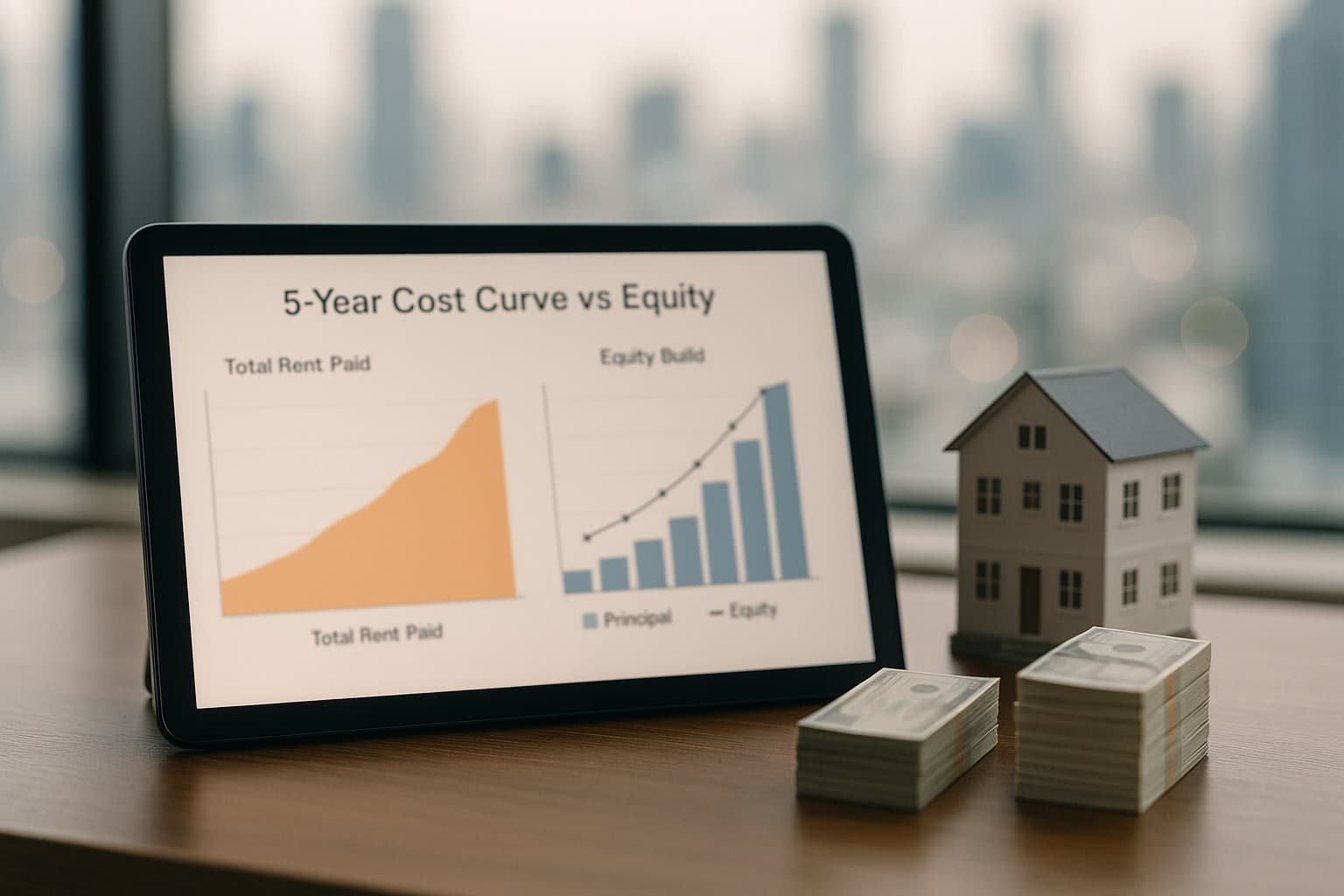
Urban professionals today are divided between flexibility and financial growth. Some prefer renting because they feel home loans limit their career mobility. Others see property ownership as a milestone of success and a future planning tool. Young buyers increasingly look for smaller yet well-located homes that match their lifestyle. Ownership trends among urban professionals show that buying is preferred when there is job stability, family planning, or strong emotional desire for a personal home.
Neighborhood Lifestyle and Social Preferences
Lifestyle priorities also play an important role. People who enjoy trying new neighborhoods, upgraded amenities, and evolving social environments often choose renting. Renting vs owning: which makes sense in neighbourhoods with frequent commercial growth depends on how often one wants to shift homes. On the other hand, families with children prioritize stability in schooling and community living, making homeownership the preferred choice. Real estate comparison of rent and purchase in prime areas must include both cost and quality-of-life benefits.
Key Factors to Consider Before Renting or Buying
There is no universal answer in the rent vs buy debate. Factors to consider before renting or buying property include: Financial readiness and emergency savings Long-term job and personal stability Neighborhood investment potential Housing affordability insights for residents Lifestyle flexibility vs security and controlBoth choices can be correct depending on one’s priorities. It is important to assess what aligns better with future goals rather than following a trend.
Summary
Choosing between renting and buying depends on cost, stability, and lifestyle needs. Renting is flexible and affordable in prime neighborhoods, while property ownership offers long-term investment and security. Evaluating rental yield, EMI comparison, and future mobility helps in making better decisions. Urban professionals often balance financial planning with living preferences before deciding. A rent vs buy calculator can help estimate realistic costs. In the end, the best approach is to match the decision with personal goals and the economic conditions of the preferred neighborhood.