
Real Estate Investment Strategies for a Secure Retirement in India
Summary
Secure your retirement in India with strategic real estate investments. Build a balanced portfolio, focusing on stable rental income and long-term appreciation to ensure financial security and a peaceful retirement.

Introduction
Planning ahead for the future is essential, and many people today look at retirement planning not just as saving money but as building reliable long-term assets. Real estate plays a strong role in this process because it offers stability, appreciation, and predictable income potential. For many families, owning property is more than achieving financial security—it is creating comfort and independence during later life. This blog explores real estate investment ideas that can support retirement goals in India and explains how simple planning can create practical benefits for decades. The aim is to guide individuals who want to understand property-based retirement strategies without complex financial terms.
Why Real Estate Supports Retirement Security
Property has always been viewed as a safe asset, but its significance becomes even greater when people approach their later years. One reason is the opportunity to earn steady passive income through rental earnings. In addition, real estate values generally rise over long periods, which helps protect savings from inflation. For retirees, predictable cash flow matters more than rapid profit, making real estate an attractive choice. With supportive policies and growing rental demand in Indian cities, investors can use well-selected properties to create additional security. This foundation is helpful for anyone exploring real estate investment strategies for retirement in India, whether they are beginners or long-term investors.
Building a Balanced Property Portfolio for the Future
A well-structured property portfolio can make retirement peaceful. The goal is not to own numerous properties but to select the right mix based on financial capacity and long-term needs. Investors often choose a combination of residential units, small commercial spaces, and plots in emerging locations. Each type behaves differently in terms of appreciation and rental stability, ensuring that risk remains balanced. Understanding how to build a property portfolio for post-retirement income involves considering maintenance costs, occupancy chances, and location growth. When planned systematically, a diverse set of properties protects investors from market ups and downs, giving them confidence during their retirement years.
Selecting Properties That Offer Stability for Retirees
Choosing properties specifically suited for senior life is equally important. Many individuals think about relocating to quieter localities or purchasing retirement homes that offer medical and community support. These homes are designed to provide comfort, safety, and easy access to services. Beyond this, smaller residential units in established neighborhoods are considered highly dependable for rental income. These choices form the best property investment plans for retirees, as they require low maintenance and stay in steady demand. Investors who prefer long-term calmness often lean toward simple, stress-free real estate options that do not require constant supervision or complex management.
Long-Term Real Estate Approaches for Senior Investors
When people approach their senior years, their investment style becomes more conservative. This is where long-term real estate strategies for senior investors become valuable. Such strategies include selecting properties with consistent rental potential, focusing on low-debt financing, and avoiding speculative purchases. The emphasis is on preserving capital and generating a predictable income stream. It also helps to choose properties that can be easily leased or sold without delays. Planning in this careful manner helps reduce financial pressure and provides confidence. Investors who adopt this mindset early benefit from stability and the comfort of knowing their assets will support them at every stage of retirement.
Using Property as a Reliable Retirement Asset
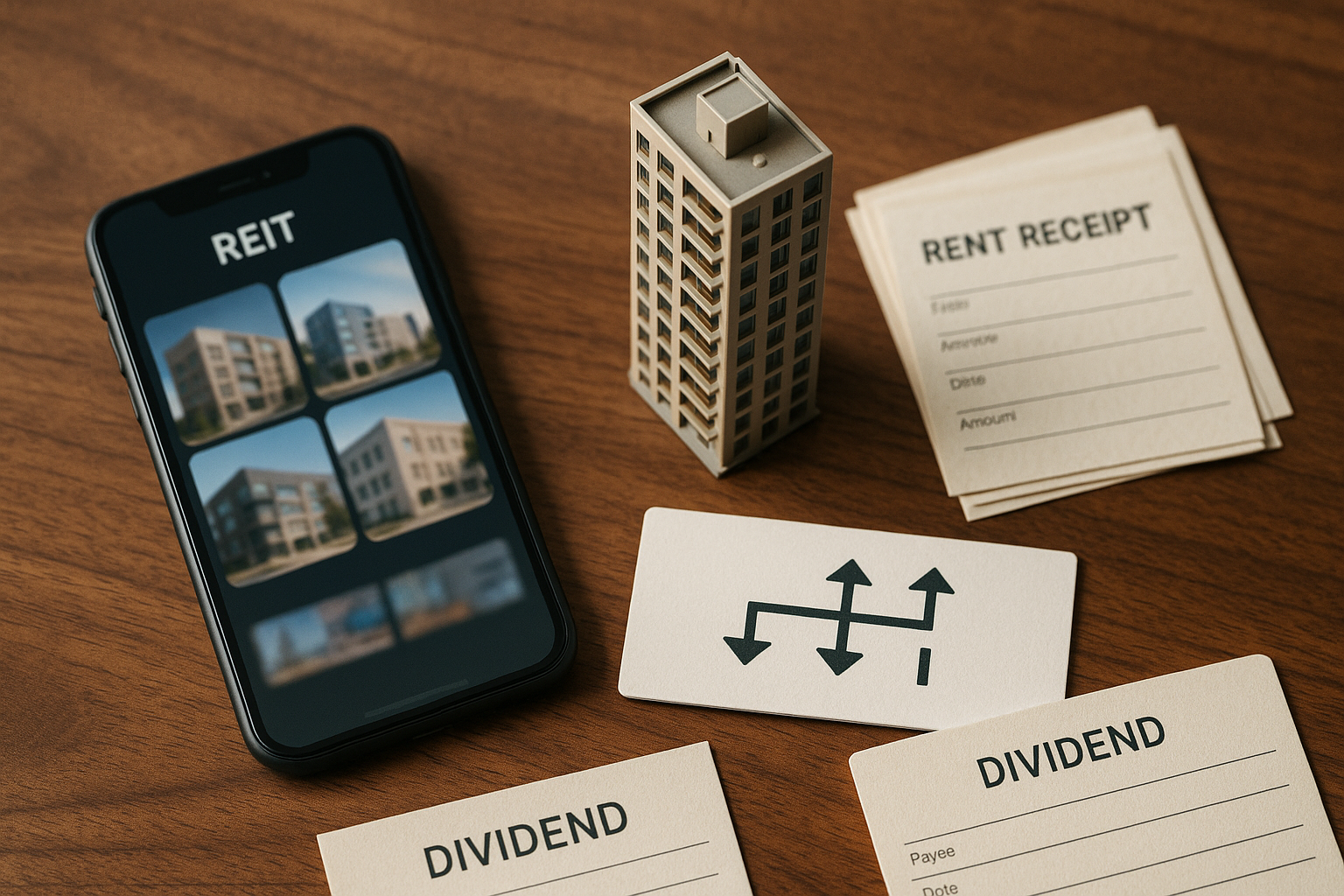
Real estate can serve as a strong backbone for later-life financial planning. Many people wonder about how to secure retirement through property assets, especially when markets fluctuate. The key is to choose assets that are resilient and generate regular returns. Rental homes, senior-living communities, and commercial micro-spaces can provide dependable income. Investors who hold properties for long periods often see significant appreciation, adding to their financial protection. Additionally, property can act as a hedge against rising living costs. By building and managing assets wisely, individuals create a secure foundation that carries them comfortably through retirement.
Passive Income Opportunities After Retirement
Generating income after leaving active employment is a priority for most retirees. Understanding how to create passive income through real estate after retirement helps individuals plan ahead. Rental properties remain the most common method, offering monthly earnings that can supplement pensions and savings. Some investors explore homestays, co-living rentals, or leasing small commercial units. These options require minimal effort once the property is prepared. Retirees can also consider long-term leasing arrangements to reduce tenant turnover. With the right strategy, property-based income feels dependable and stress-free, making it ideal for supporting everyday expenses in a comfortable way.
Smart Investments for Post-Retirement Financial Safety
People searching for smart property investments for financial security post-retirement often focus on properties with stable rental demand and low maintenance. Affordable housing units, small offices, and well-maintained older apartments are popular choices because they offer consistent returns. Another approach is to invest in gated communities where upkeep is managed professionally. This reduces effort while preserving value. Investors can also look at Tier-II cities where growth is rising and property prices remain reasonable. These thoughtful decisions help retirees stretch their funds further while enjoying long-term security. The idea is to avoid unnecessary risk and prioritize steady returns.
Creating a Retirement-Focused Real Estate Blueprint
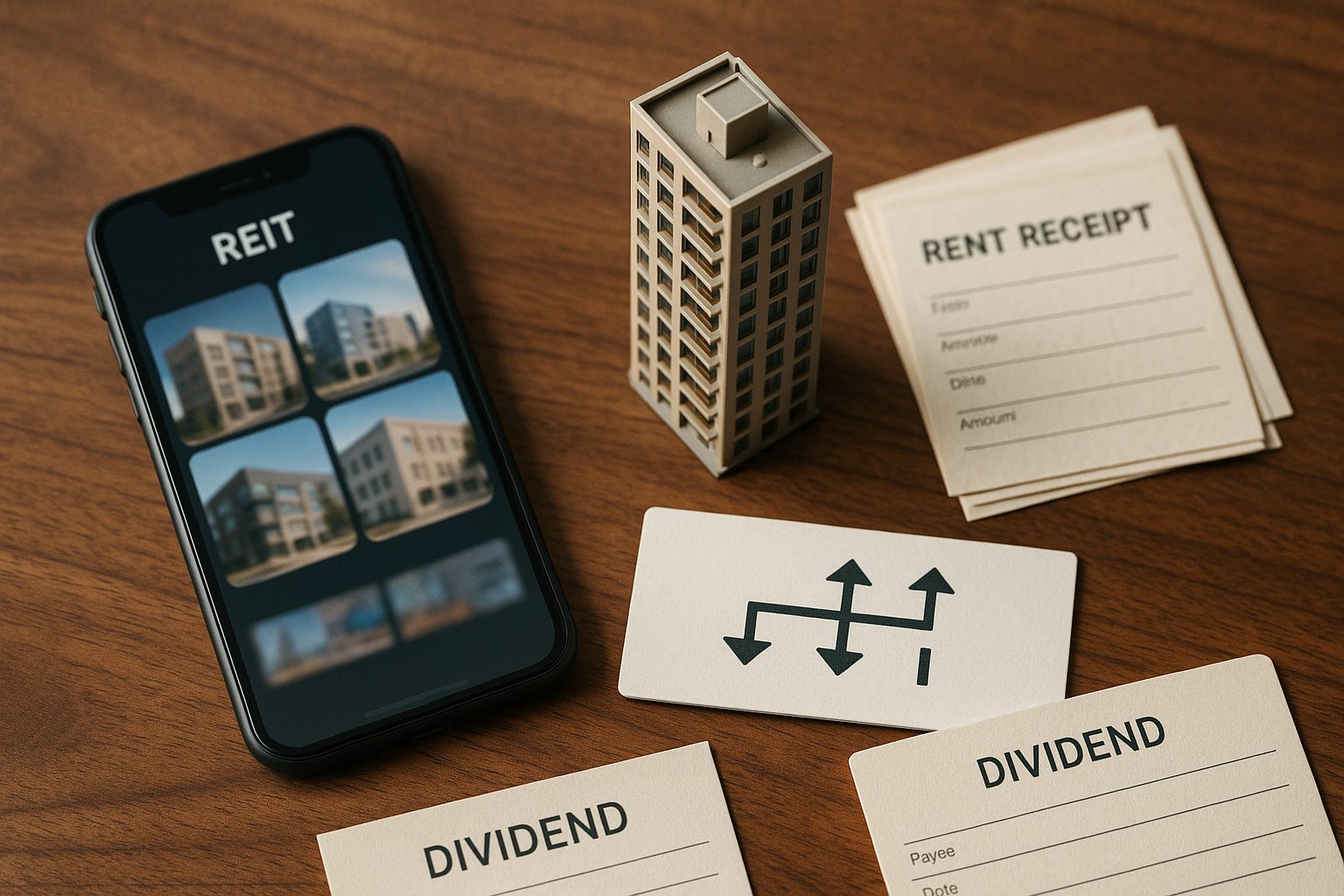
A structured plan helps investors protect their finances effectively. A guide to building a retirement-focused real estate portfolio usually begins with defining income needs, future goals, and family expectations. The next step is to align these goals with the right type of properties. Many retirees choose simple, easy-to-manage assets rather than high-maintenance commercial buildings. Additionally, planning for legal documentation, property taxes, and inheritance helps create clarity for the future. When a retirement plan is thoughtfully built, it removes uncertainty and gives investors a sense of control. This structured approach ensures emotional and financial comfort throughout retirement years.
Best Real Estate Choices for Stable Income
Selecting the best real estate options for stable income after retirement depends on personal goals. Many retirees prefer small rental apartments, while others look at serviced homes or senior-friendly communities. Some may choose hybrid models that include both residential and commercial assets. The idea is to pick properties that stay in demand regardless of economic changes. These selections offer a dependable income stream and preserve capital. When combined with careful planning and simple management techniques, these real estate choices become a trustworthy solution for lifelong financial stability and peaceful living.
Summary
Real estate offers practical and dependable ways to support retirement goals. With the right mix of stable properties, smart planning, and predictable rental opportunities, investors can create comfortable long-term security. Strategies such as building a balanced portfolio, exploring retirement homes, and generating passive income help strengthen overall financial well-being. Understanding options like conservative property selection and low-maintenance investments ensures ease during senior life. With thoughtful decisions, real estate becomes a safe path toward steady income, asset protection, and a peaceful retirement.