
Real Estate Cycles and Timing Your Investments
Summary
Learn how real estate cycles impact investment returns. Understand market phases like expansion, peak, correction, and recovery to time your property purchases and sales for maximum ROI.

Introduction
Buying property is not only about choosing the right location — it is equally important to choose the right time. In the real estate sector, financial gains depend greatly on market behaviour and the movement of the economy. This brings attention to real estate cycles, which help investors understand when the market is rising and when prices may correct. Smart investors study market timing, property demand, and price trends to take decisions that bring the highest return. With the right knowledge, both beginners and experienced investors can take advantage of each phase of the market.
What Are Real Estate Cycles?
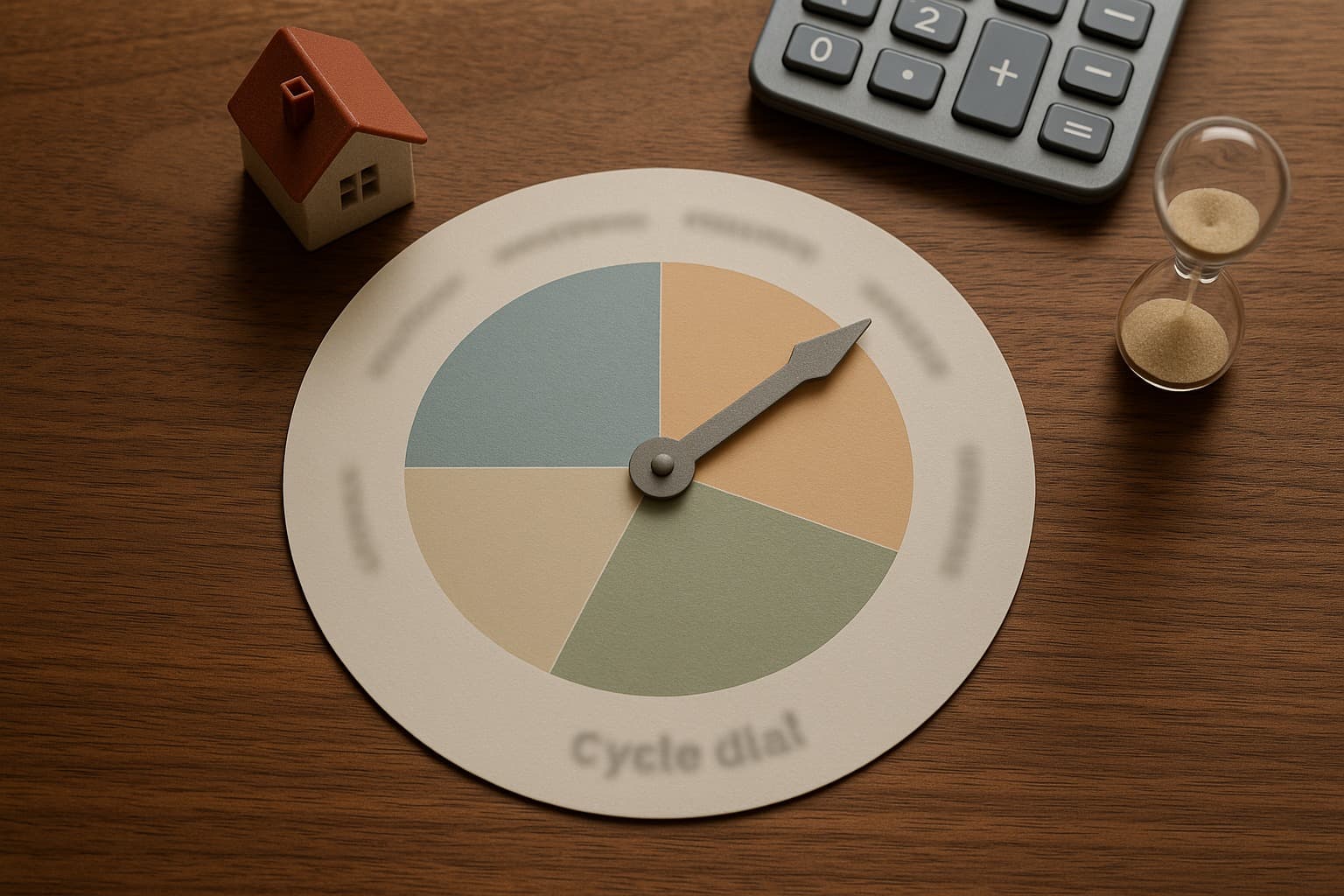
Real estate cycles show how the property market moves through different phases such as expansion, high peak, market correction, and recovery. These cycles repeat over time due to changes in supply, buyer demand, interest rates, and investment activity. Understanding real estate cycles helps investors avoid high-priced purchases during a boom and instead look for opportunities during price cooling. This cycle movement is an essential part of investment trends in property markets.
Understanding Real Estate Market Cycles
To build a wise investment plan, one must develop strong awareness of understanding real estate market cycles. The cycle is generally divided into four major phases:
Expansion: Demand grows and property values rise
Peak: Prices reach their highest point and growth slows
Correction: Demand drops suddenly and prices adjust downward
Recovery: Market stabilises before the next growth phase begins
Recognising these phases helps investors identify whether it is a good time to buy, sell, or hold property holdings.
Market Phases: Expansion, Peak, and Correction
During the property boom or expansion, developers launch more projects and homebuyers show strong buying interest. When prices rise too high and become unaffordable, the market hits its peak. After that, a slowdown appears, leading to a market correction, where prices stabilise or reduce. Knowing how market phases: expansion, peak, and correction work ensures investors do not rush into buying when the market is overpriced. Instead, they may choose to wait for a better opportunity.
When to Invest in Real Estate for Maximum Returns
A key question for every buyer is when to invest in real estate for maximum returns. Pricing advantage is highest when the market is in the correction or early recovery phase. During this time, developers may offer discounts, flexible payment options, and negotiable prices. Investors who enter early in recovery often gain strong appreciation when the market enters expansion again. Timing reduces risks and improves long-term wealth creation.
Timing Property Purchase and Sale Effectively
A strong investor always studies the cycle before making decisions. Timing property purchase and sale effectively means avoiding emotional decisions and reacting according to market data. Professionals recommend:
Buy when demand slows but future growth potential remains high
Sell during the peak phase when buyers actively compete
Hold during slowdowns if long-term future value looks strong
This approach protects investors from overpaying and helps them capture profits when value reaches its top.
Real Estate Cycle Indicators and How to Read Them
Several indicators help identify the current market phase. For example:
Rising sales → expansion
High unsold inventory → correction
Increasing rental yield → recovery
Elevated construction activity → growth peak
These real estate cycle indicators and how to read them add confidence to decisions. Investors often track interest rate changes, job market conditions, and government policy updates to forecast upcoming trends.
Real Estate Timing Strategy for Investors
A strong real estate timing strategy for investors involves patience and careful study. Rather than buying simply because others are buying, investors must evaluate:
Affordability and home loan conditions
Future infrastructure and capital growth
The economic environment of the city
Current cycle position

Investors who buy based on growth predictions rather than short-term hype generally achieve better results. Following data gives confidence during future market fluctuations.
When to Buy and Sell Property for Best ROI
To achieve success, investors compare purchase price with potential resale demand. When to buy and sell property for best ROI depends on:
Buying when supply is high and competition is low
Exiting when buyers are in rush to purchase homes
Buying early in rising cycles helps investors gain appreciation through both improved market sentiment and project completion.
How to Time Your Real Estate Investments Based on Market Cycles
Studying historical patterns and upcoming growth triggers helps investors understand how to time your real estate investments based on market cycles. A well-timed purchase may generate strong capital appreciation and consistent rental returns. City expansion plans, new transportation routes, and commercial developments also indicate future opportunities. Patience is essential — one should not rush into a high-priced deal if signs of a correction are visible.
Understanding Different Phases of Property Market Growth
Each cycle phase offers a different advantage:
Growth: Opportunity to purchase early and enjoy high returns
Peak: Best time to sell and lock profits
Correction: Best entry time for new buyers due to lower prices
Recovery: Safe entry phase with steady growth prediction
Knowing understanding different phases of property market growth helps investors decide their role in each period.
Summary
Real estate investment success depends on understanding the market environment. Studying real estate cycles, price movement, and demand trends helps investors plan better. Buying during correction and selling during high demand improves returns. Observing indicators like inventory, interest rates, and buyer behaviour helps sharpen market timing. Knowing how cycles move through expansion, peak, and market correction phases allows smart property decisions for maximum ROI. With patience and proper analysis, investors can use timing strategies to benefit from every stage of the property cycle.