
Railways Receive ₹1,368-Crore Bid for Central Mumbai Land: Why This Deal Matters
Summary
A ₹1,368-crore bid for Mumbai railway land signals strong demand for prime urban locations. This deal highlights land monetization's role in funding infrastructure and shaping urban development. It reflects confidence in Mumbai's real estate.

Introduction
Land transactions in central Mumbai rarely go unnoticed, especially when they involve large parcels and premium valuations. A recent bid of ₹1,368 crore for nearly six acres of railway land in central Mumbai has drawn attention from real estate developers, urban planners, and investors alike. Beyond the headline number, this deal reflects deeper trends in land monetisation, infrastructure funding, and the rising value of well‑located urban land.
Why Central Mumbai Land Is So Valuable
Central Mumbai sits at the heart of the city’s transport, commercial, and residential network. Areas in this zone enjoy excellent rail and road connectivity, proximity to business districts, and established social infrastructure. With limited vacant land available, any sizeable parcel instantly becomes a high‑value asset.
Understanding the Railway Land Monetisation Strategy
Indian Railways owns vast land banks across major cities. Monetising under‑utilised land through transparent bidding allows the railways to unlock value without selling operational assets. The funds generated are typically channelled into infrastructure upgrades, safety improvements, and network expansion.
What the ₹1,368-Crore Bid Indicates
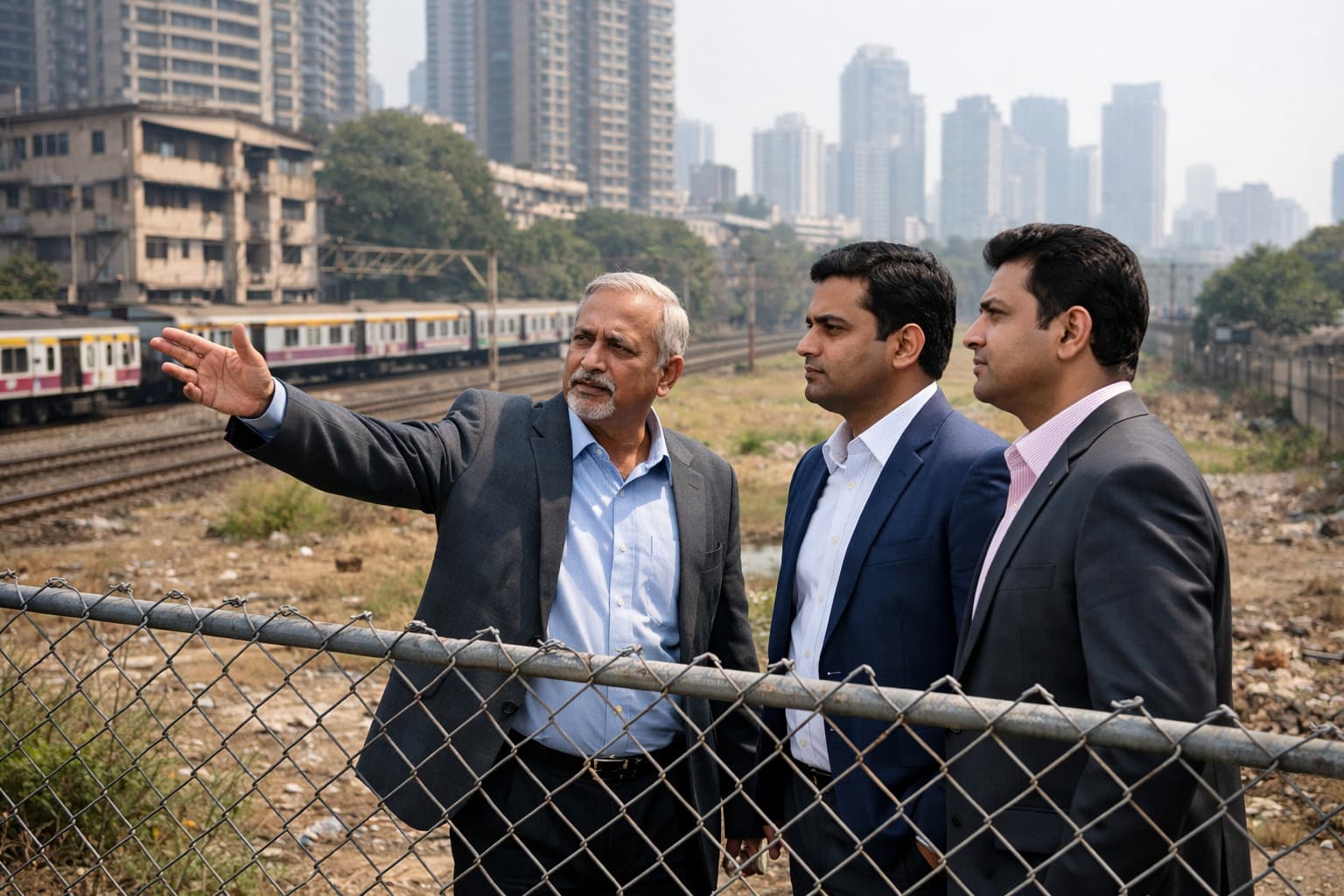
A bid of this scale for around six acres highlights the intense demand for strategically located land. Developers are willing to pay a premium for large, contiguous plots in central Mumbai because such opportunities are extremely rare. The price reflects future development potential rather than current land use.
Why Developers Are Interested
Large land parcels allow for planned, mixed‑use development—combining residential, commercial, and retail spaces. In a city where redevelopment is often fragmented, a single large plot offers design flexibility, scale efficiency, and long‑term value creation.
Impact on Mumbai’s Real Estate Market
While one land deal does not immediately affect overall prices, it reinforces the strong valuation benchmark for central locations. Such transactions influence developer sentiment and confirm that demand for prime Mumbai land remains robust despite broader market fluctuations.
Infrastructure Funding and Public Benefit
Monetising railway land serves a dual purpose. It attracts private capital while funding public infrastructure. This approach reduces reliance on government budgets and accelerates project execution, creating long‑term benefits for commuters and the city.
Urban Development Implications
Strategic land development in central areas can support transit‑oriented growth. If planned well, such projects can integrate housing, offices, and transport access, reducing commute distances and improving urban efficiency.
Why This Deal Stands Out
Most land transactions in Mumbai involve redevelopment of old buildings or small plots. A nearly six‑acre parcel in a central location is exceptional. The size alone elevates the importance of this bid and its potential downstream impact.
Long-Term Outlook for Railway Land Deals
As urban land scarcity increases, railway land parcels will continue to attract strong interest. Transparent bidding and structured development models can create a steady revenue stream while supporting city infrastructure needs.

What Homebuyers Should Understand
While this deal operates at a developer level, it indirectly affects buyers. Large‑scale developments in central locations can improve supply quality, infrastructure integration, and urban planning outcomes over time.
Investor Perspective
Such high‑value bids signal confidence in Mumbai’s long‑term real estate fundamentals. Institutional and large developers typically take a long‑term view, suggesting expectations of sustained demand and value appreciation.
Challenges to Watch
Execution timelines, regulatory approvals, and integration with existing transport infrastructure will determine the project’s success. High land cost also means developers must plan carefully to ensure viability.
Final Perspective
The ₹1,368‑crore bid for nearly six acres of railway land in central Mumbai is more than a land transaction—it is a signal of confidence in the city’s core real estate market. It reflects land scarcity, strategic location value, and the growing role of asset monetisation in funding infrastructure.
Summary
Indian Railways receiving a ₹1,368‑crore bid for a nearly six‑acre land parcel in central Mumbai highlights the premium placed on large, well‑located urban land. The deal underscores strong developer demand, effective land monetisation strategies, and the long‑term value of central Mumbai real estate. If executed thoughtfully, such developments can support both infrastructure funding and better urban planning outcomes.
Video will be embedded from: https://www.youtube.com/watch?v=Qxz5WEGFpJc&t=2s