
Plumbing Inspection Checklist for Homebuyers: A Complete Guide
Summary
This guide provides a plumbing inspection checklist for homebuyers, covering water supply, pipe condition, fixtures, and drainage. Learn to identify potential problems and avoid costly repairs before buying a home.

Introduction
A plumbing system is one of the most essential parts of any home. Before buying a property, a careful plumbing inspection checklist helps homebuyers avoid costly repairs and daily hassles later. Good plumbing ensures clean water supply, proper drainage, and safe living conditions. A thorough inspection not only identifies visible issues but also uncovers hidden faults that can lead to major expenses. This blog provides a simple, practical, and complete guide to inspecting plumbing systems before deciding to purchase a home.
Basic Water Supply Check
Start with the water supply system. Turn on all faucets in the kitchen, bathrooms, and utility areas. Check the water pressure — it should be consistent and strong. Weak flow may suggest blockages, pipe scaling, or pump problems. Ensure both hot and cold water functions work as expected. Test each tap for leaks or unusual sounds. This step evaluates the core part of home plumbing inspection and ensures water reaches all important points in the house.
Short Links:• Quick Water Test• Faucet Flow Check• Basic Pressure Guide• Home Water Check• Supply Inspect
Pipe Condition and Material Quality
Inspect exposed pipes for signs of rust, corrosion, or leak stains. Pipes made of low-quality material wear out faster. Look in kitchen cabinets, under sinks, and near washing machines. Ask the seller about the type of pipe material used — PVC, CPVC, or metal. Poor pipe quality can lead to frequent leaks and reduced water quality. A pipe inspection checklist helps determine whether the plumbing is reliable or needs replacement.
Bathroom Fixtures and Drainage Flow
Bathrooms are used frequently and must have proper drainage. Flush toilets several times to verify fast water flow and clean flush cycles. Run showers and check drain speed. Slow drainage means possible blockages or venting problems. Also inspect showerheads and faucets for leaks. Look for water stains or damp tiles that might signal hidden leakage. This step supports bathroom plumbing checks and enhances long-term hygiene and comfort.
Medium Links:• Bathroom Flow Check• Drainage Quality Guide• Fixture Test Plan• Water Leak Spotting Tips• Efficient Drain Review
Kitchen Plumbing and Sink Area
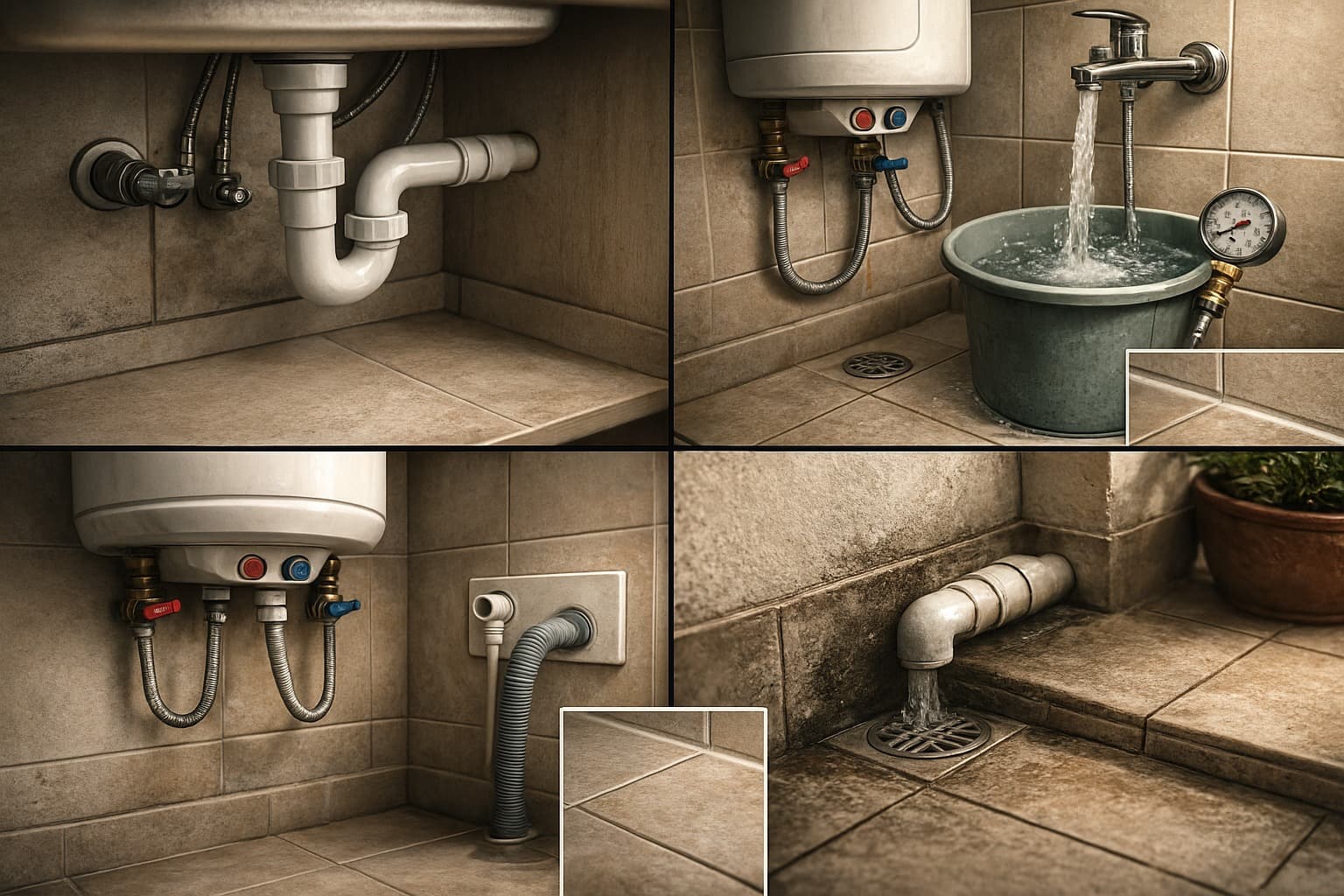
The kitchen is a high-use plumbing zone. Check the sink area thoroughly. Turn the kitchen tap on and off to check flow and temperature. Inspect the garbage disposal, if present, for smooth working. Look under the sink for puddles or water marks that suggest leaks. Check the dishwasher connection and water line stability. A complete kitchen plumbing inspection ensures everyday chores remain trouble-free and safe.
Hot Water System and Heater Performance
If the home has a water heater, test its performance. Turn on hot water taps to confirm warm water flow. Check the heater’s age, installation safety, and pressure relief valve. Older heaters may need servicing or replacement. Proper hot water function is part of home buyer plumbing checks and affects comfort, especially in cold seasons.
Leak Detection Around the House
Leaks are easy to spot in visible areas, but hidden leaks often go unnoticed. Check walls near plumbing points for water stains, discoloration, or soft patches. Use tissue or paper near joints to detect minor drips. Listen for dripping sounds in quiet rooms. Persistent dampness or musty smells may indicate concealed leakage. A detailed leak detection checklist helps find issues early and prevents mold or structural damage.
Long Links:• Full Home Plumbing Inspection Resource• Homebuyer Practical Plumbing Evaluation Guide• Step-by-Step Leak Detection Manual• Residential Plumbing Quality Assessment Tool• Comprehensive Water System Review Guide
Toilet and Sewer Line Condition
Toilets and sewer lines are critical for sanitation. Flush multiple times and observe drainage flow in nearby sinks and tubs. Slow drainage or gurgling sounds point to sewer line blockages. Sewer backups can cause foul smells and require urgent repair. Ask about sewer line age and cleaning records. A sewer and toilet check ensures healthy waste disposal and avoids future inconvenience.
Outdoor Plumbing and Drainage Paths
Exterior plumbing includes garden taps, outdoor drains, and water discharge paths. Turn on outdoor faucets and inspect hoses and connections. Check for puddles or soggy soil near the foundation, which may mean improper drainage. Clear outdoor drains and ensure rainwater flows away from the home. Outdoor checks help complete the external plumbing review and prevent water damage to the structure.
Water Quality and Filtration Needs
Test water quality from primary taps. Look for unusual color, odor, or sediment. Poor water quality affects health and may harm appliances. Ask about installed filtration systems and their maintenance history. If there is no filtration system, consider installing one. Water quality is a key part of home plumbing inspection and supports healthy living.
Documentation and Professional Evaluation
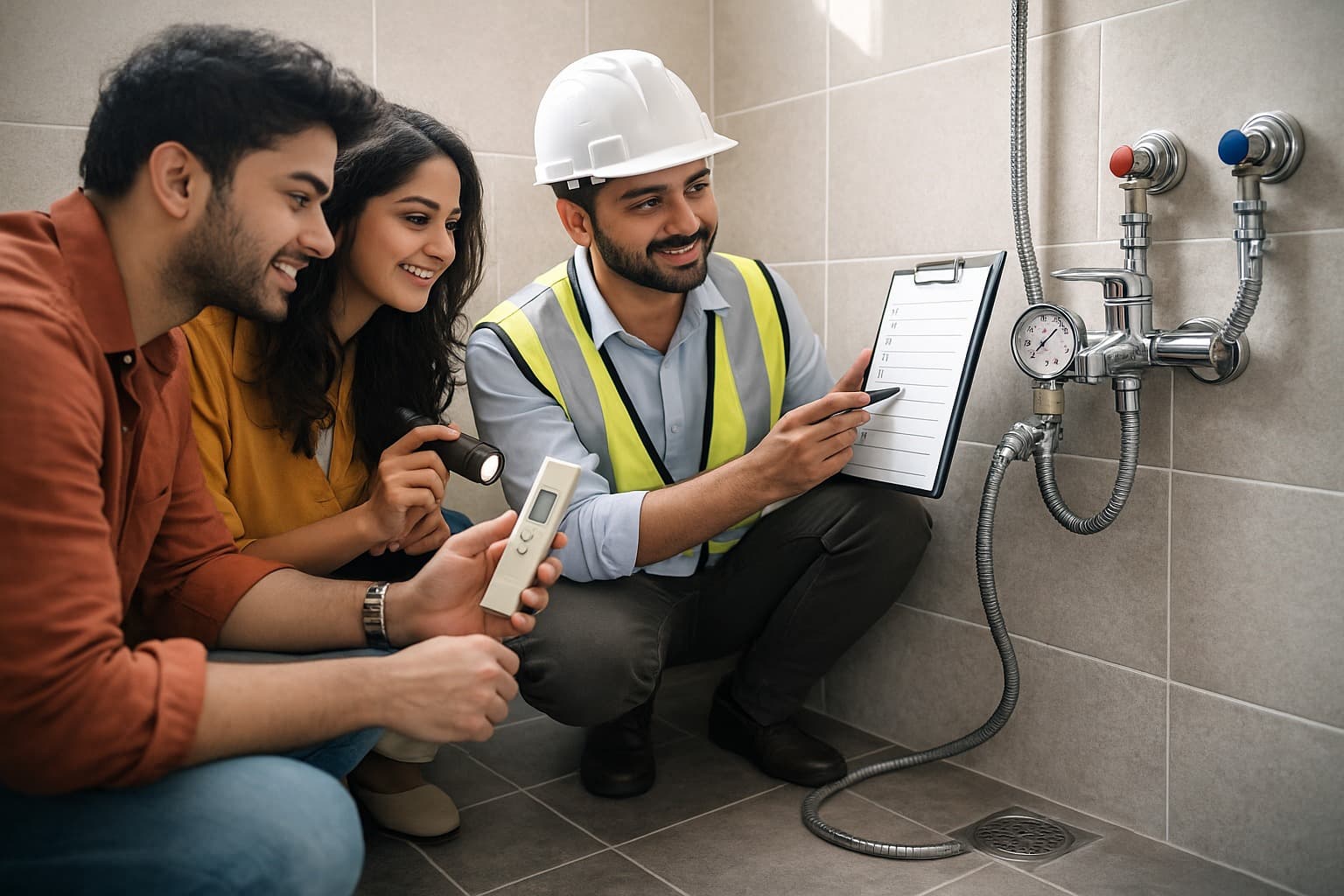
Take notes and photos during inspection. Compare findings with maintenance records, if available. This helps identify recurring issues or frequent repairs. For major concerns, consider a professional plumber’s evaluation. Experts use tools like moisture meters, pressure gauges, and drain cameras to find hidden faults. A professional review strengthens the plumbing inspection checklist and provides peace of mind before final purchase.
Common Warning Signs to Watch For
Be alert to frequent pipe repairs, unusual water bills, water stains on ceilings or walls, and corrosion on fixtures. These signs often indicate deeper plumbing trouble. Consistently poor water pressure or recurring clogs should prompt further investigation. Noting these plumbing warning signs early helps address problems before they escalate.
Summary
A thorough plumbing inspection helps homebuyers avoid future inconvenience and repair expenses. Checking water supply, pipe quality, fixtures, drainage flow, hot water systems, and sewer lines ensures dependable plumbing. Look for leaks, water stains, and slow drainage throughout the house. Outdoor water paths and water quality must also be part of the inspection. Keeping detailed notes and seeking professional evaluation when needed protects health and investment. Following this checklist before purchase improves comfort, safety, and long-term value in any new home.