
Peninsula Land's Plotted Development Strategy: A New Direction for Mumbai Real Estate
Summary
Peninsula Land is strategically shifting to plotted developments in Mumbai, driven by buyer demand for flexibility and lower costs. This approach offers developers faster monetization and reduced risk, reshaping the future of Indian real estate.

Introduction
Indian real estate developers are increasingly exploring new formats to maintain steady growth in a changing market environment. Among these, plotted housing has emerged as a preferred option due to lower risk and rising buyer interest. In this context, Peninsula Land has announced a strategic focus on plotted development as part of its next phase of expansion. This move reflects broader shifts in Mumbai real estate and other urban markets where flexibility, affordability, and long-term value creation are gaining importance.
Understanding the Shift Toward Plotted Development
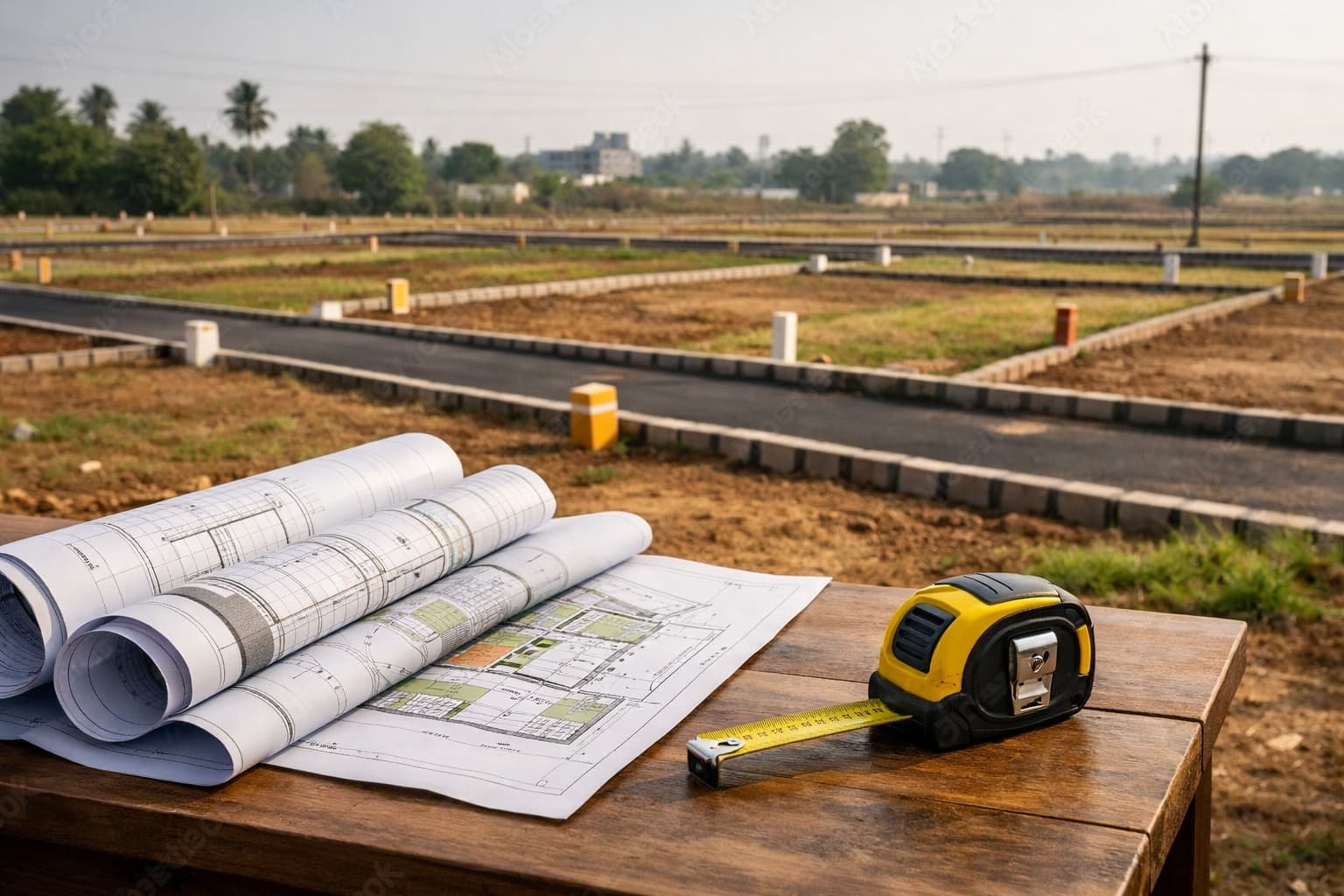
Plotted development refers to the sale of individual land parcels within a planned layout that includes basic infrastructure such as roads, drainage, and utilities. Buyers are given ownership of land with the freedom to construct homes later. This format has gained popularity as it offers control and lower upfront costs. Developers view land development India as a scalable model that requires lower capital investment compared to high-rise residential construction.
Peninsula Land’s Strategic Realignment
Through Peninsula Land plotted projects, the company is repositioning its portfolio to align with evolving buyer preferences. Instead of focusing only on large-scale apartment developments, the firm is expanding into plotted layouts across select growth corridors. This plotted development strategy allows the developer to unlock land value faster while reducing execution and regulatory risks associated with vertical construction.
Why Plotted Housing Appeals to Buyers
Homebuyers today are more cautious and value transparency. Residential land development provides buyers with clear ownership and flexibility in construction timelines. Many buyers prefer to build homes in phases based on financial comfort. This trend is especially strong among end-users and investors seeking long-term appreciation rather than immediate rental income, supporting sustained real estate growth in plotted projects.
Market Conditions Supporting the Strategy
Several macro factors support this shift. Rising construction costs, longer approval timelines, and tighter financing norms have increased pressure on traditional residential projects. In contrast, plotted layouts face simpler approvals and faster monetisation. These conditions are influencing housing market trends India, making plotted development a safer and more predictable business model for developers like Peninsula Land.
Risk Management and Capital Efficiency
One major advantage of plotted housing is capital efficiency. Developers do not need to invest heavily in structural construction, reducing exposure to material price fluctuations. This approach improves cash flow cycles and limits debt requirements. For developers pursuing real estate diversification India, plotted projects provide a balanced portfolio option alongside premium residential and commercial assets.
Location Strategy and Infrastructure Influence
The success of plotted projects depends heavily on location. Developers typically select areas with upcoming infrastructure, road connectivity, and social amenities. Peninsula Land’s approach focuses on regions that show long-term demand potential. This aligns with the Peninsula Land long term real estate strategy, which prioritises sustainable growth over short-term volume-driven expansion.
Regulatory Environment and Buyer Confidence
Clear land titles and planned layouts improve buyer confidence in plotted developments. Regulatory frameworks now emphasise transparency and compliance, further strengthening trust. As governance improves, Why developers are shifting to plotted housing in India becomes clearer, since this format aligns well with regulatory expectations while offering buyers legal clarity and flexibility.

Comparison With Traditional Residential Projects
High-rise residential developments involve longer gestation periods and higher market risk. Sales are sensitive to interest rates and economic cycles. In contrast, Plotted development as next growth phase for real estate offers quicker sales velocity and stable demand. This comparison explains why established developers are rebalancing their portfolios to include plotted offerings.
Long-Term Outlook for Plotted Development
Industry experts believe plotted housing will continue to gain market share, especially in peripheral urban zones and emerging cities. As buyers prioritise space, ownership, and customisation, demand is expected to remain strong. The Future of plotted residential projects in India looks positive, supported by infrastructure expansion and changing lifestyle preferences.
Impact on the Broader Real Estate Sector
Peninsula Land’s move may encourage other developers to explore similar strategies. As more organised players enter this segment, quality standards and planning norms are likely to improve. This evolution will strengthen overall market stability and contribute to balanced Mumbai real estate growth beyond traditional high-density developments.
Summary
Peninsula Land’s focus on plotted development highlights a strategic shift in India’s real estate sector. Driven by buyer preference for flexibility, lower risk, and clear ownership, plotted housing offers developers better capital efficiency and faster monetisation. Supportive market conditions, improving infrastructure, and regulatory clarity are strengthening this model. As developers diversify portfolios and buyers seek long-term value, plotted development is emerging as a sustainable growth driver, shaping the future direction of residential real estate in India.
Video will be embedded from: https://www.youtube.com/watch?v=NHGtPdSGLh8