
Parakh Foods' Rs 49 Crore Ambernath Land Deal: A Bellwether for Mumbai's Industrial Corridors
Summary
Parakh Foods' Rs 49 Cr Ambernath land deal signals strong industrial demand in Mumbai's outskirts. The Rs 8 Cr/acre valuation highlights Ambernath's rise as a validated industrial market, attracting food processing and logistics investments.

Introduction
Industrial land transactions rarely get the attention they deserve in Indian real estate coverage. The focus almost always gravitates toward luxury apartments, premium office deals, and developer launches. But the quiet, registered land purchases by manufacturing and food processing companies in Mumbai's outer belts are often more telling about where the city's economic geography is heading than any residential launch can be. Parakh Foods Ambernath land acquisition from Lodha Developers for over Rs 49 crore is one such transaction. Six acres of industrial park land, a per-acre cost crossing Rs 8 crore, and a buyer profile that speaks directly to the food supply chain demand reshaping MMR's peripheral corridors.
The Transaction: What Was Bought and From Whom
The land parcel spans close to 24,000 square metres, which works out to approximately six acres, within a planned industrial development in Ambernath. Lodha Developers, primarily known for its residential portfolio, has been actively monetising its industrial land holdings in the Ambernath belt over the past two years. This is the same geography where the group sold 38 acres to Amazon Data Services for Rs 450 crore in late 2024, with that parcel earmarked for a hyperscale data centre.
The Parakh Foods transaction is a smaller deal but sits within the same strategic land disposal pattern from Lodha's side. The company is converting peripheral industrial landholdings into cash during a period when buyer appetite for organised industrial park space near Mumbai is running at elevated levels.
Who Is Parakh Foods and Why Ambernath
Parakh Foods is a food processing and agribusiness company with a presence across edible oils, pulses, and processed food categories. A six-acre land acquisition in an industrial park setting suggests expansion of manufacturing, processing, or warehousing capacity rather than speculative landholding. Food companies buying land near Mumbai are almost always solving a specific operational problem: getting processed product closer to the city's consumption base without paying the land premiums that established inner-suburban industrial zones charge.
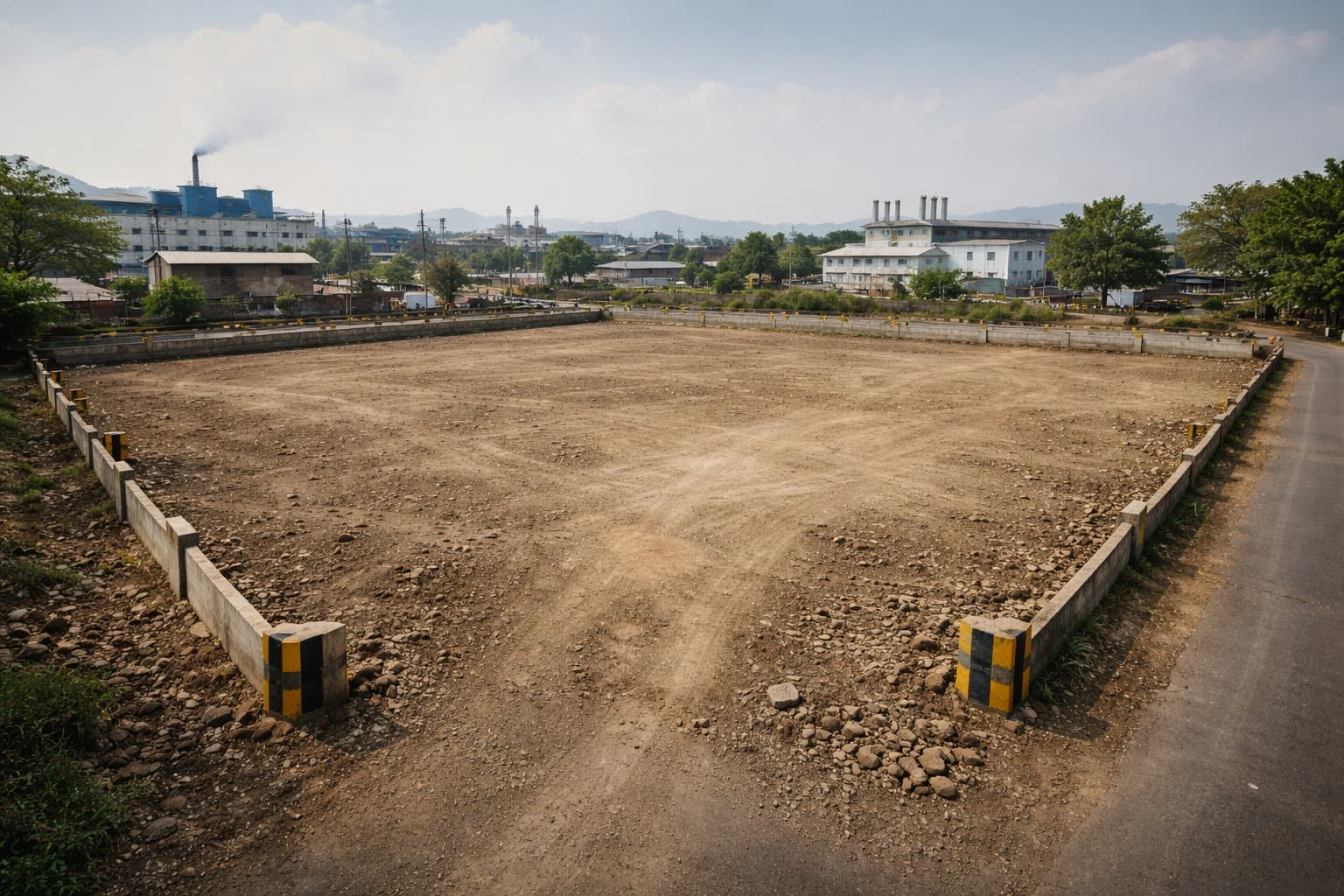
Ambernath industrial real estate has been gaining serious traction among exactly this buyer profile. The town sits on the Central Railway mainline, has functional road access to the Kalyan-Badlapur corridor, and sits close enough to Mumbai to serve the city's consumption demand without carrying Thane or Bhiwandi's increasingly expensive land costs. For a food company that needs a facility within the MMR supply chain without stretching its capital allocation, Ambernath is a rational, defensible choice.
The Rs 8 Crore Per Acre Context
At Rs 49 crore for roughly six acres, the implied per-acre cost crosses Rs 8 crore. That number is worth sitting with. Three years ago, industrial land in Ambernath's organised park zones was changing hands at Rs 5 crore to Rs 6 crore per acre. The appreciation to Rs 8 crore plus reflects the same demand dynamic playing out across Mumbai's outer industrial belt: more buyers chasing limited organised supply in locations with decent connectivity and clear land use permissions.
Mumbai MMR industrial land pricing has been tracking upward steadily since 2022 as e-commerce, cold chain logistics, food processing, and data infrastructure all competed simultaneously for the same finite pool of industrial-zoned, road and rail-accessible land within a reasonable distance of the city's consumption base. Ambernath, Bhiwandi, Panvel, and the Navi Mumbai industrial nodes have all seen this pressure.
Lodha's Ambernath Strategy: Residential Developer Meets Industrial Landlord
Lodha's involvement as the seller in multiple Ambernath industrial transactions is worth understanding in context. The company acquired significant land in this belt years ago as part of a broader MMR land banking strategy. As the residential market saturated in some peripheral corridors and as the regulatory environment for converting agricultural or mixed-use land to residential use became more complex, monetising industrial-zoned land at rising prices became the more efficient capital recycling strategy.
The Amazon data centre deal and now the Parakh Foods transaction confirm that Lodha has a deep enough industrial land inventory in Ambernath to continue serving multiple buyer categories simultaneously. Data infrastructure, food processing, logistics, and potentially manufacturing are all drawing from the same Lodha-owned pool.
What This Means for Ambernath's Real Estate Trajectory
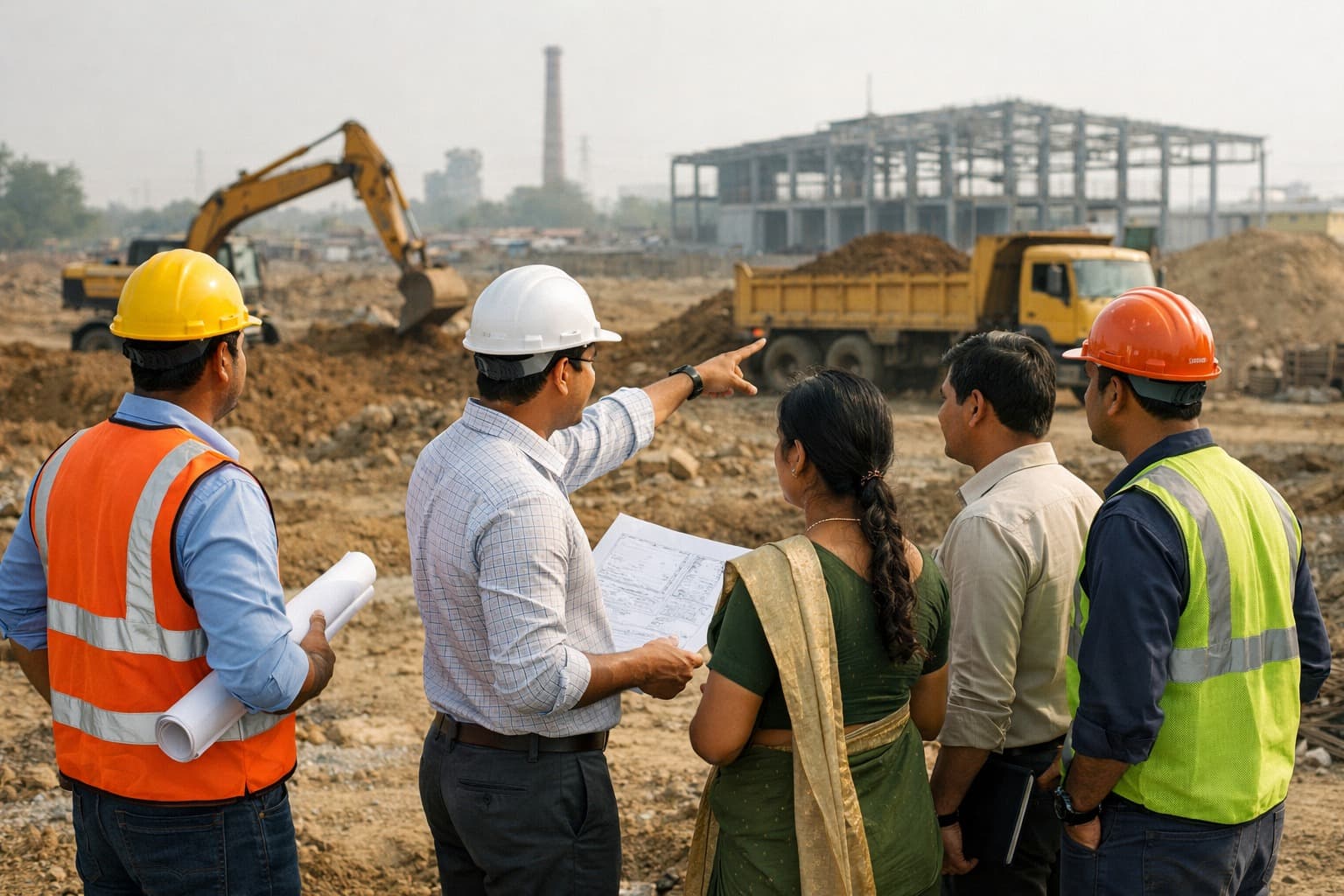
Every credible industrial transaction in a developing corridor does something specific to surrounding property values. It validates the location's industrial suitability, which encourages the next buyer to move faster and pay closer to asking price. Residential developers watching industrial activity grow in the same corridor respond by accelerating their own project timelines, knowing that employment-driven housing demand is building.
Ambernath already has a residential market of its own, historically mid-income and affordable. The industrial corridor's growth adds an employment layer that could, over five to seven years, shift the residential demand profile upward as management-level employees from the industrial park ecosystem look for housing within commuting distance.
Summary
Parakh Foods acquiring 6 acres from Lodha in Ambernath for Rs 49 crore reflects the sustained and broadening demand for organised industrial real estate in Mumbai's peripheral corridors. At over Rs 8 crore per acre, the land pricing confirms that Ambernath has graduated from a speculative industrial destination to an active, validated transaction market drawing food processing, data infrastructure, and logistics buyers simultaneously. For MMR industrial real estate investors and developers, this corridor is no longer an emerging story. It is a current one.
Video will be embedded from: https://www.youtube.com/watch?v=svnIAM3mTpk