
Occupancy Certificate (OC) Checklist for Residential Properties: A Homebuyer's Guide
Summary
An Occupancy Certificate (OC) verifies a residential property's legality and safety. This guide provides an OC checklist for homebuyers to ensure compliance and avoid future issues, ensuring secure ownership.

Introduction
Buying a home is a major life decision, and legal clarity is essential before moving in. One of the most important documents that ensures this clarity is the Occupancy Certificate, commonly known as the OC. The OC checklist for residential properties helps buyers confirm that a building is legally fit for occupation. Without an OC, a property may face legal, financial, and safety issues. Understanding this checklist allows homebuyers to protect their investment and enjoy stress-free ownership.
What Is an Occupancy Certificate
An Occupancy Certificate is an official document issued by the local municipal authority after a building is completed. It confirms that the construction has been carried out according to approved plans and applicable building laws. The certificate also verifies that essential services such as water supply, electricity, sewage systems, and fire safety arrangements are in place. For residential properties, the OC proves that the building is safe and legally approved for people to live in.
Why the OC Is Important for Homebuyers
The OC plays a critical role in property ownership. It is required for legal possession of a home and is often necessary for home loan disbursement. Banks and financial institutions usually refuse loans if an Occupancy Certificate is missing. The OC is also needed for property registration, resale, and transfer of ownership. Additionally, utility providers may deny permanent water or electricity connections without this document. Therefore, verifying the OC protects buyers from future disputes and penalties.
When Is an Occupancy Certificate Issued
An Occupancy Certificate is issued only after the construction of a residential property is fully completed. The developer or builder applies for the OC once all work follows the approved building plan. Authorities then inspect the property to ensure compliance with safety norms, zoning regulations, and structural standards. If no violations are found, the OC is granted. This process ensures that only compliant buildings are allowed for residential occupation.
Key Authorities Responsible for Issuing OC
The Occupancy Certificate is issued by local governing bodies such as municipal corporations, development authorities, or town planning departments. The exact authority depends on the city and region where the property is located. These authorities conduct inspections and verify documents submitted by the builder. Their approval confirms that the residential property meets all legal and safety requirements under local building laws.
OC Checklist for Residential Properties
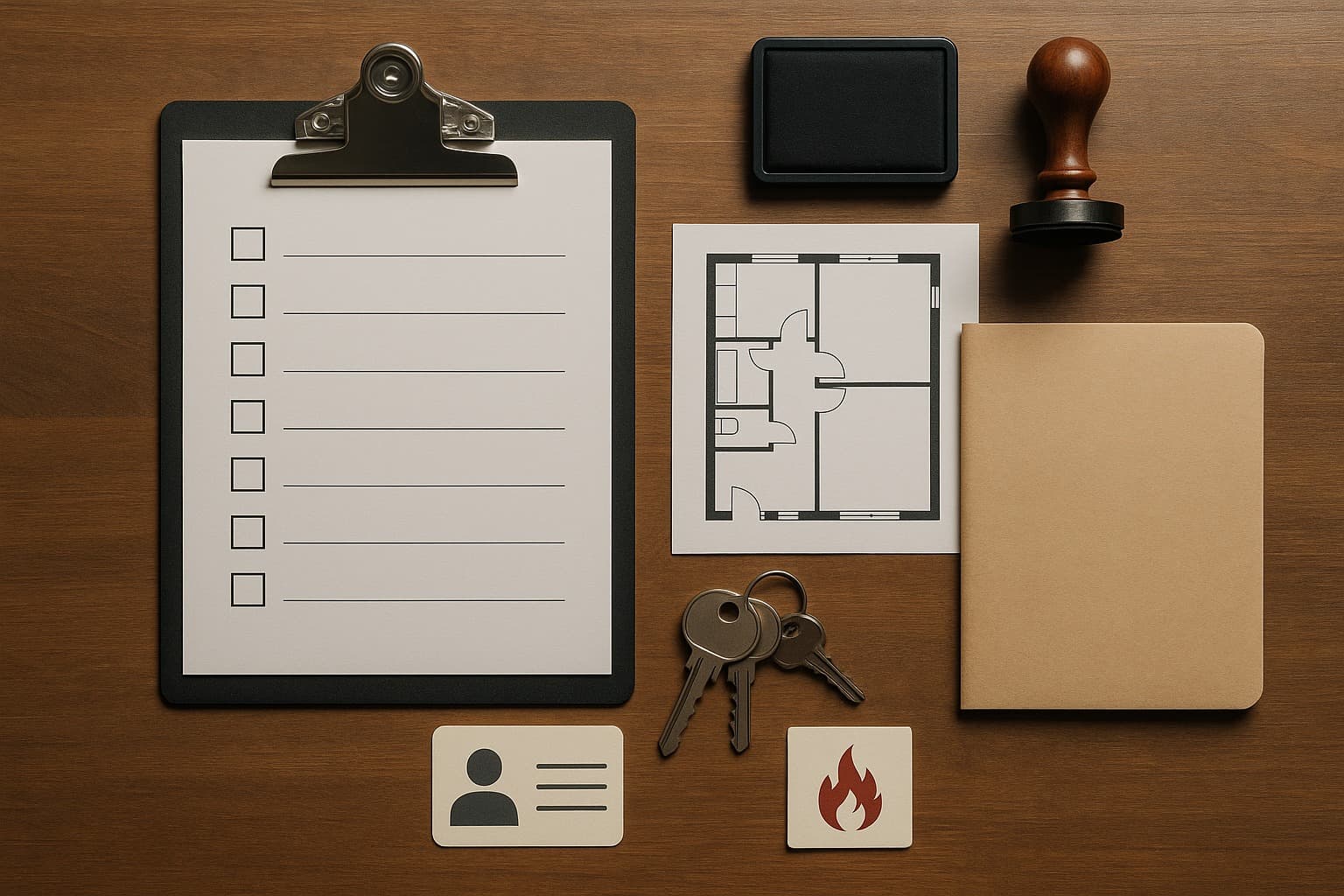
The OC checklist for residential properties includes several essential points that must be verified carefully. First, the building must match the approved construction plan. Any major deviation can delay or cancel the OC. Second, fire safety approvals must be in place, especially for multi-storey residential buildings. Third, proper sewage and drainage systems should be functional. Fourth, water supply connections and electrical systems must be approved. Finally, environmental clearances, if required, should be completed before applying for the OC.
Documents Required for Obtaining an OC
Several documents are required to obtain an Occupancy Certificate. These include the approved building plan, completion certificate, fire safety clearance, structural stability certificate, and photographs of the completed building. Developers must also submit no-objection certificates from relevant departments. Buyers should request copies of these documents for verification. A complete and accurate set of documents helps avoid delays and ensures smooth approval of the OC.
Difference Between Completion Certificate and Occupancy Certificate
Many buyers confuse the Completion Certificate with the Occupancy Certificate. A Completion Certificate confirms that construction is finished according to approved plans. However, it does not permit occupation. The Occupancy Certificate, on the other hand, confirms that the building is safe and ready for residents. Both documents are important, but the OC is essential for legally living in the residential property. Buyers should always ensure that both certificates are available.

Risks of Buying a Property Without an OC
Purchasing a residential property without an Occupancy Certificate carries serious risks. Such properties may be considered unauthorized by local authorities. Owners may face penalties, eviction notices, or denial of civic services. Selling or transferring the property becomes difficult without an OC. Insurance claims may also be rejected in case of accidents. Therefore, buyers should avoid taking possession of any residential unit that lacks a valid Occupancy Certificate.
Role of Builders and Developers in the OC Process
Builders and developers are responsible for applying for the Occupancy Certificate after project completion. They must ensure that construction meets all legal standards and submit the necessary documents to authorities. Buyers should communicate clearly with developers regarding OC timelines. Reputed developers usually obtain the OC before handing over possession. Buyers should demand written confirmation and copies of the certificate before making final payments.
How Homebuyers Can Verify an Occupancy Certificate
Homebuyers should personally verify the Occupancy Certificate before taking possession. They can check the document number, date of issue, and approving authority. In many cities, OC details are available on municipal websites. Buyers can also consult legal experts for verification. Proper verification ensures that the residential property is legally approved and free from future complications.
Summary
An Occupancy Certificate is a vital document that confirms a residential property is legally approved and safe for living. The OC checklist for residential properties helps buyers verify compliance with building plans, safety norms, and essential services. Without an OC, owners may face legal, financial, and utility-related problems. Buyers should always confirm the presence and validity of the Occupancy Certificate before possession to ensure secure ownership, smooth transactions, and long-term peace of mind.