
Nine Years of Waiting, One Collapsed Floor: The Mahim Chawl That Keeps Getting Ignored
Summary
A 90-year-old Mahim chawl's collapsed floor highlights Mumbai's widespread issue of stalled redevelopments and civic inaction. Despite a nine-year-old agreement, a builder's neglect and BMC's silence leave residents in peril, reflecting a systemic failure to protect vulnerable communities.

The Incident That Sparked Fresh Outrage
Late April 2026. A building in Mahim's Ward GN makes it to social media for the worst possible reason. A section of the flooring at the main entry passage has given way. The hole is large enough to swallow a foot whole. Residents walk past it every day because they have no choice. The builder responsible for redeveloping the structure has not moved. Complaints to the BMC have produced no response. And the building itself is pushing 90 years old.
This did not happen overnight. It was nine years in the making.
What Kind of Building We Are Talking About
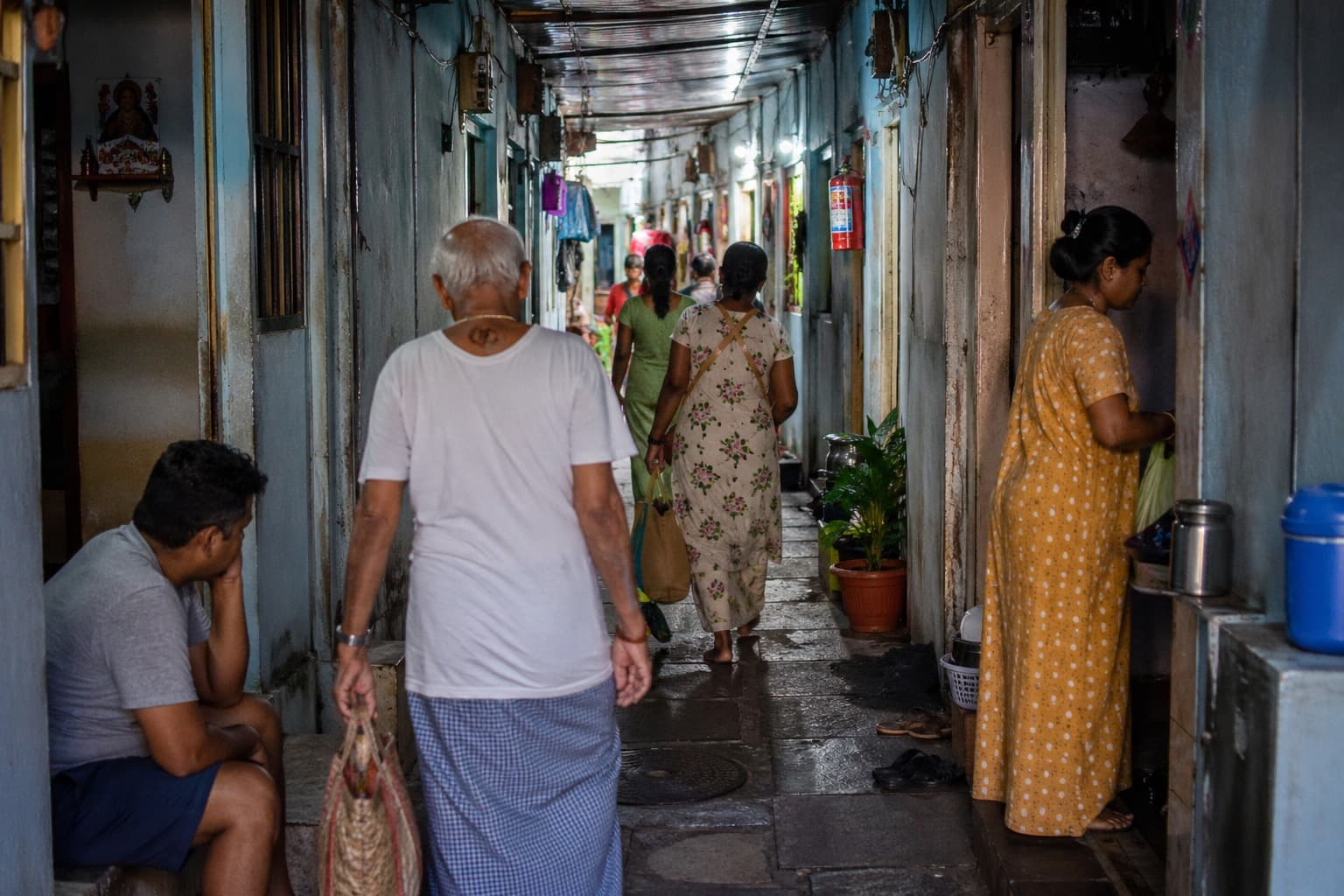
Most people in Mumbai who have not lived in a chawl think of them as quaint relics of the city's industrial past. For the families actually inside them, the reality is far less romantic. These structures were built in the early and mid-twentieth century as dense, affordable housing for mill workers, dock labourers, and junior government staff. Shared toilets. Narrow corridors. Rooms that measure barely enough for a family of four.
They were never built to last a century. Many are already well past that point.
The Mahim chawl at the centre of this latest incident is one such structure. It has been sitting in a state of progressive deterioration for years, with a redevelopment agreement theoretically in place since around 2017. What it has not had is any actual construction activity.
The Floor That Gave Way
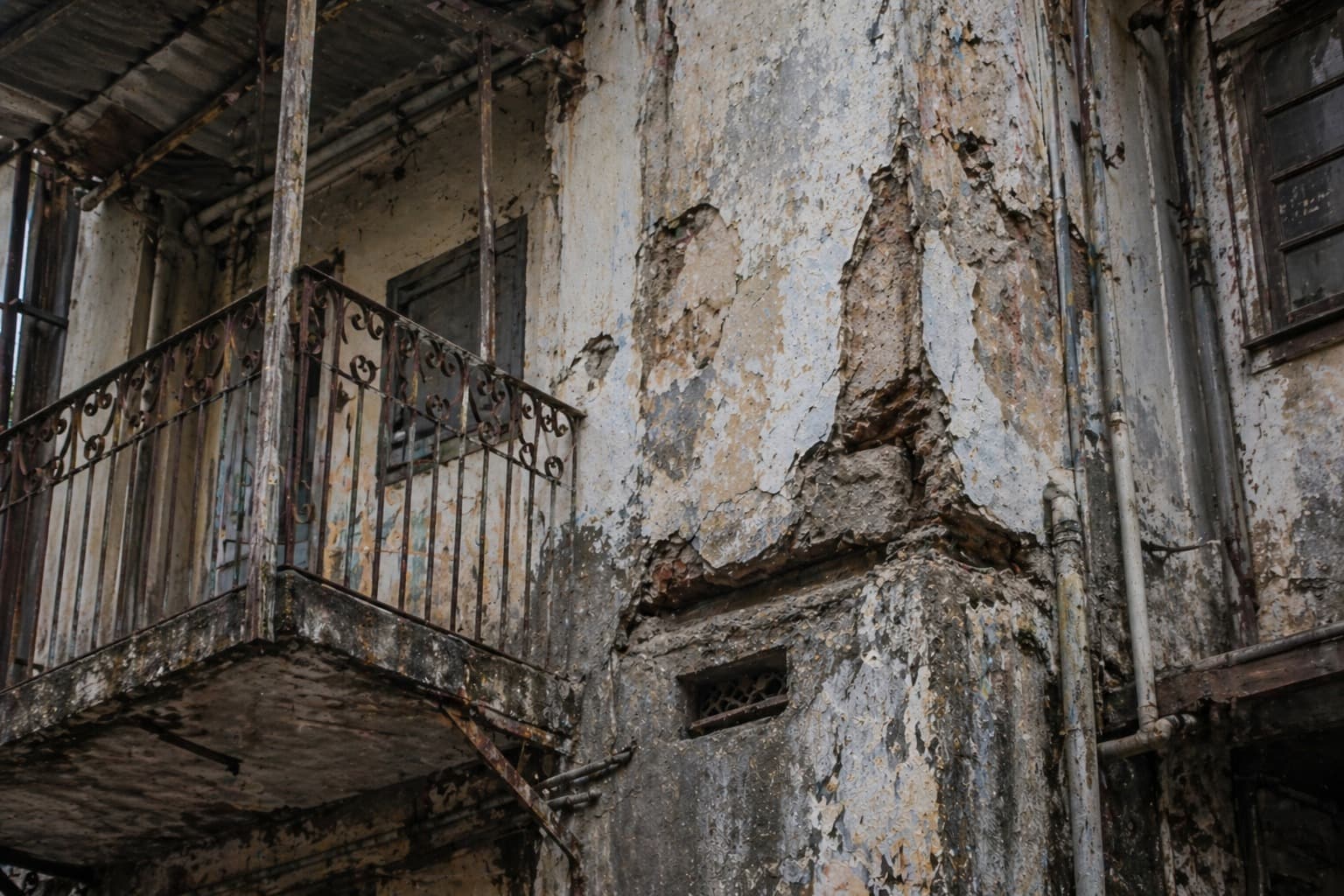
When images of the collapsed passage circulated on X, formerly Twitter, the account posting them tagged MHADA and civic officials directly. The photographs were unambiguous. A gaping void where solid flooring once existed. Crumbling walls. An exterior that looks exhausted. The surrounding area largely deserted, which actually makes things worse because if someone fell through that gap after dark, help would not come quickly.
Residents say this kind of structural failure is not the first. Small falls, cracked surfaces, and unstable sections have been accumulating for a long time. Every complaint filed with the BMC has dissolved into silence. No inspection team arrived. No repair notice was issued to the builder. No timeline was enforced.
People are waking up every morning and walking past a hole in the floor of their own building entrance. That sentence should not exist in 2026.
Why Builders Walk Away and Nobody Stops Them
The mechanics of a stalled Mumbai chawl redevelopment follow a depressingly predictable script. A developer identifies an old building, works out that the free-sale component of the redevelopment can subsidise the rehabilitation of existing residents, signs agreements, gets consent from the required majority of occupants, and secures initial approvals.
Then the market shifts. Construction costs climb. The sale price assumptions from three years ago no longer hold. The developer's funding arrangement falls through. Or perhaps they were always undercapitalised and were hoping to sell the project to a larger builder once approvals were in hand.
Whatever the specific reason, construction does not begin. The residents who gave their consent are now in a legal no-man's land. They cannot reverse course easily. They cannot force the builder to start. And the regulatory machinery that should compel action rarely moves at the speed the situation demands.
A City With Hundreds of These Stories
The Mahim chawl is not an outlier. Mumbai has a sprawling inventory of old, cessed, and dangerous buildings caught in exactly this limbo. Rough estimates suggest that between 20 and 25 percent of the city's population lives in structures that are either certified dangerous, structurally compromised, or significantly overdue for redevelopment.
Every monsoon season, portions of these buildings shed plaster, flood, crack further, or partially collapse. Every season, fresh complaints are filed. And every season, the same cycle of inaction repeats.
The human cost of this pattern is not abstract. It is counted in anxiety, in physical risk, in children growing up inside buildings that could fail at any moment, and in communities kept in uncertainty for years while they watch their neighbourhood transform around them.
The Tools Exist. They Just Are Not Being Used.
MHADA has the authority to cancel a developer's agreement when progress has stalled beyond reasonable timelines and substitute an alternate developer or take over the project directly. BMC can order structural audits of dangerous buildings and force mandatory vacation where the risk to life is immediate. Courts have issued directions in several such cases compelling authorities to act.
None of these mechanisms require new laws or new powers. They require the existing framework to be applied with consistency and urgency rather than selectively and slowly.
A chawl redevelopment that was agreed upon nine years ago and has not broken ground is not a paperwork problem. It is an accountability failure. The builder should face consequences. The regulator should enforce them. The residents should not be the ones absorbing all the risk while the system deliberates.
Summary
The 90-year-old Mahim chawl with a collapsed entry passage and a nine-year-old dormant redevelopment agreement is a precise portrait of what happens when builder accountability and civic oversight operate without urgency. The residents of this Ward GN building have done everything right, filing complaints, staying patient, waiting for a process that never arrived. Mumbai has hundreds of buildings in comparable states of neglect and stalled redevelopment. Until MHADA and BMC enforce timelines with real consequences for defaulting developers, this incident will repeat itself across the city, one collapsed floor at a time.
Video will be embedded from: https://www.youtube.com/watch?v=_p2qJOvg7EE