
New Homes vs. Resale in Mumbai & Pune: Understanding the 20%+ Price Difference
Summary
New homes in Mumbai and Pune cost 20%+ more than resale properties. This difference reflects rising land/construction costs & modern amenities. Buyers should weigh the benefits of new vs. resale based on their priorities.

Introduction
For most of Indian real estate history, a new launch carried a modest premium over resale and buyers accepted it as the price of getting first ownership, fresh construction, and the ability to choose their floor and orientation. That premium has now grown into something significantly harder to ignore. A new report confirms that new home prices India are running 23% higher than comparable resale property in Mumbai and 22% higher in Pune. These are not rounding errors or micro-market anomalies. They represent a structural shift in how the two segments of the residential market are pricing themselves, and every buyer in MMR needs to understand what is driving it before deciding which route makes more financial sense.
What the Numbers Actually Mean
A 23% premium on Mumbai property means that a resale apartment priced at Rs 1.5 crore in a well-maintained society has a directly comparable new launch unit in the same micro-market priced at approximately Rs 1.85 crore. In Pune, the same exercise on a Rs 80 lakh resale flat implies a new launch equivalent at roughly Rs 97 lakh to Rs 98 lakh. Across a portfolio or a single purchasing decision, this gap is not trivial. It represents years of EMI payments or a substantial portion of a down payment.
The report does not suggest that buyers are making irrational choices by purchasing new homes at this premium. It surfaces a question that every buyer should be asking explicitly rather than assuming away.
Why New Launch Prices Have Pulled Away
Several forces have pushed new home prices India significantly above their resale counterparts over the past two to three years. Land acquisition costs in tier 1 cities and their premium suburbs have risen sharply as developers competed aggressively for launch-ready parcels. Construction material costs, particularly steel and cement, spiked post-pandemic and have not fully retreated. Labour costs have risen alongside general wage inflation. And developer margins have expanded as demand allowed pricing power to assert itself.
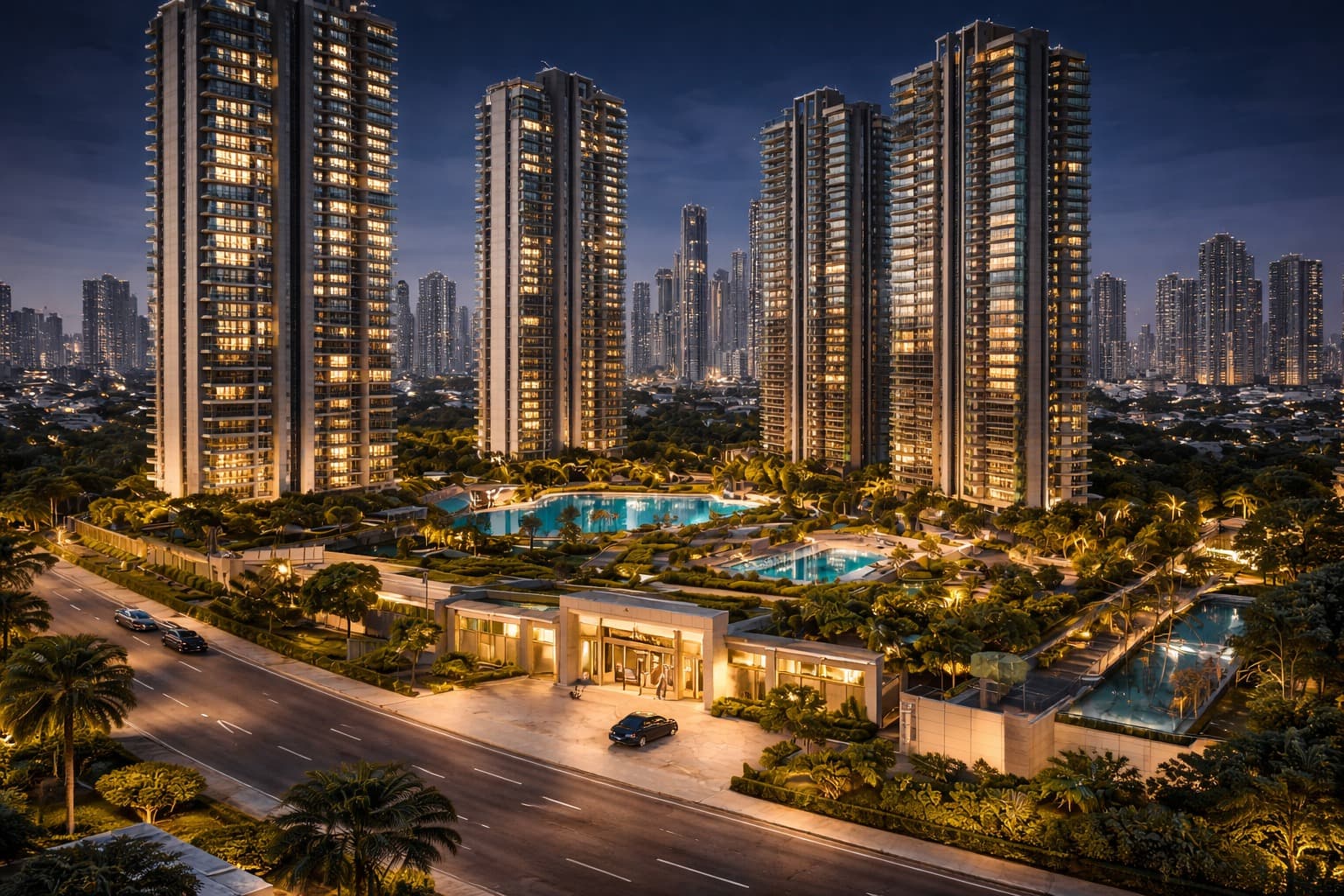
New launches also now arrive with amenity packages that resale inventory from five or ten years ago simply cannot match. Rooftop pools, co-working lounges, EV charging infrastructure, smart home automation, and professional facility management are standard features in a 2025 new launch that would be retrofitted at significant cost, if at all, in an older society. Buyers are not just paying for newer construction. They are paying for a meaningfully different product.
The Resale Case: What Buyers Are Getting for Less
The new home vs resale conversation is not one-sided. Resale properties offer advantages that new launches structurally cannot. The most significant is immediate possession. A resale purchase means moving in within 60 to 90 days of registration. A new launch in Mumbai or Pune typically carries a two to four year construction timeline, during which the buyer pays both rent and EMI simultaneously.
Resale properties in established societies also come with known neighbours, a functioning maintenance ecosystem, mature landscaping, and a track record of builder delivery that removes construction risk entirely. For buyers who have been burned by delayed possession in earlier cycles, the certainty of a resale purchase carries a value that does not show up in the per-square-foot comparison.
Mumbai's 23% Premium: Where It Bites Hardest
The Mumbai property premium of 23% is not uniformly distributed across all micro-markets. In locations like Thane West, Mulund, Powai, and Chembur, where new launches are concentrated and resale inventory from the 2010 to 2018 construction period is abundant, the gap between new and resale is most visible and most consequential for buyers. A buyer in Thane West can find a well-maintained 2 BHK in a 2015-built society at Rs 95 lakh to Rs 1.05 crore, while new launches in adjacent projects are priced from Rs 1.2 crore to Rs 1.35 crore for similar carpet areas.
In South Mumbai and prime Bandra to Juhu belt locations, the premium exists but matters less because absolute ticket sizes are high enough that percentage differences translate into large absolute amounts that only a specific buyer demographic is negotiating with anyway.

Pune's 22% Gap and the Buyer Behaviour Shift
Pune property prices have been rising steadily across all segments, but the new versus resale gap reflects a specific dynamic in Pune's market. New launches in Hinjewadi, Baner, Balewadi, and Kharadi are priced for the IT sector buyer who prioritises proximity to the office campus and modern amenity specifications. Resale inventory in the same corridors from projects built before 2018 is priced meaningfully lower and often offers larger carpet areas under older FSI norms.
Pune's resale market is also benefiting from owners who purchased during the 2015 to 2019 period at lower prices and are now willing to sell at values that still leave buyers with a 20% to 22% saving over new launches.
Summary
The 23% Mumbai new home premium and 22% Pune new home premium over resale are real, significant, and demand a deliberate buying decision rather than a default preference for new construction. New launches offer modern amenities, RERA protection, and long-term appreciation aligned with current construction costs. Resale property India offers immediate possession, larger carpet areas in older projects, and a price entry that can be 20% lower for a comparable lifestyle outcome. The right answer depends entirely on your possession timeline, your tolerance for construction risk, and how much the amenity gap between a 2015-built and a 2025-built society matters to your daily life.
Video will be embedded from: https://www.youtube.com/watch?v=20rCwMiECFo