
Navi Mumbai International Airport: A New Era for Mumbai Aviation
Summary
Navi Mumbai International Airport (NMIA) has launched, marking a new era for Mumbai aviation. The airport aims to reduce congestion, improve connectivity, and drive economic growth in the region through phased expansion.

Introduction
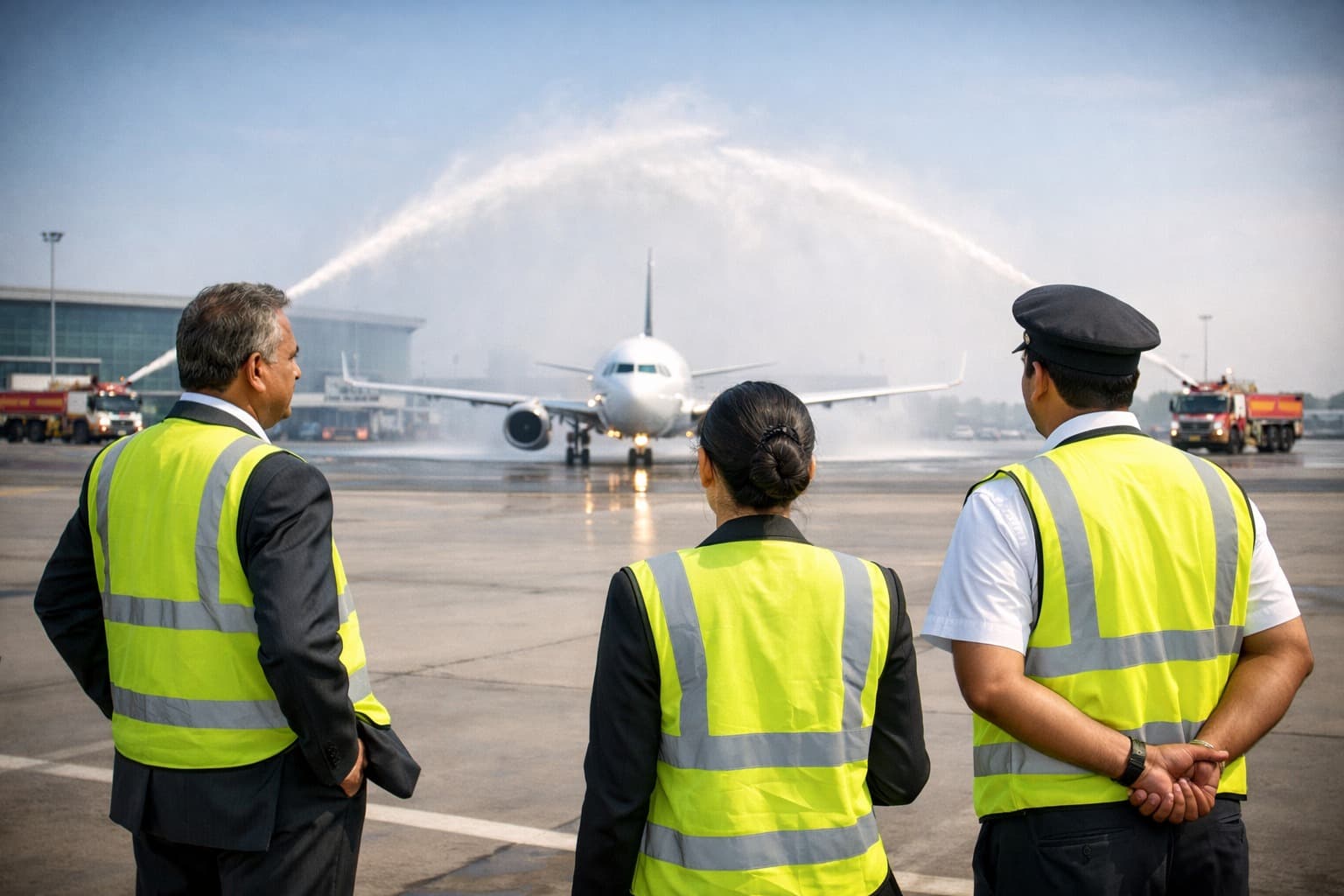
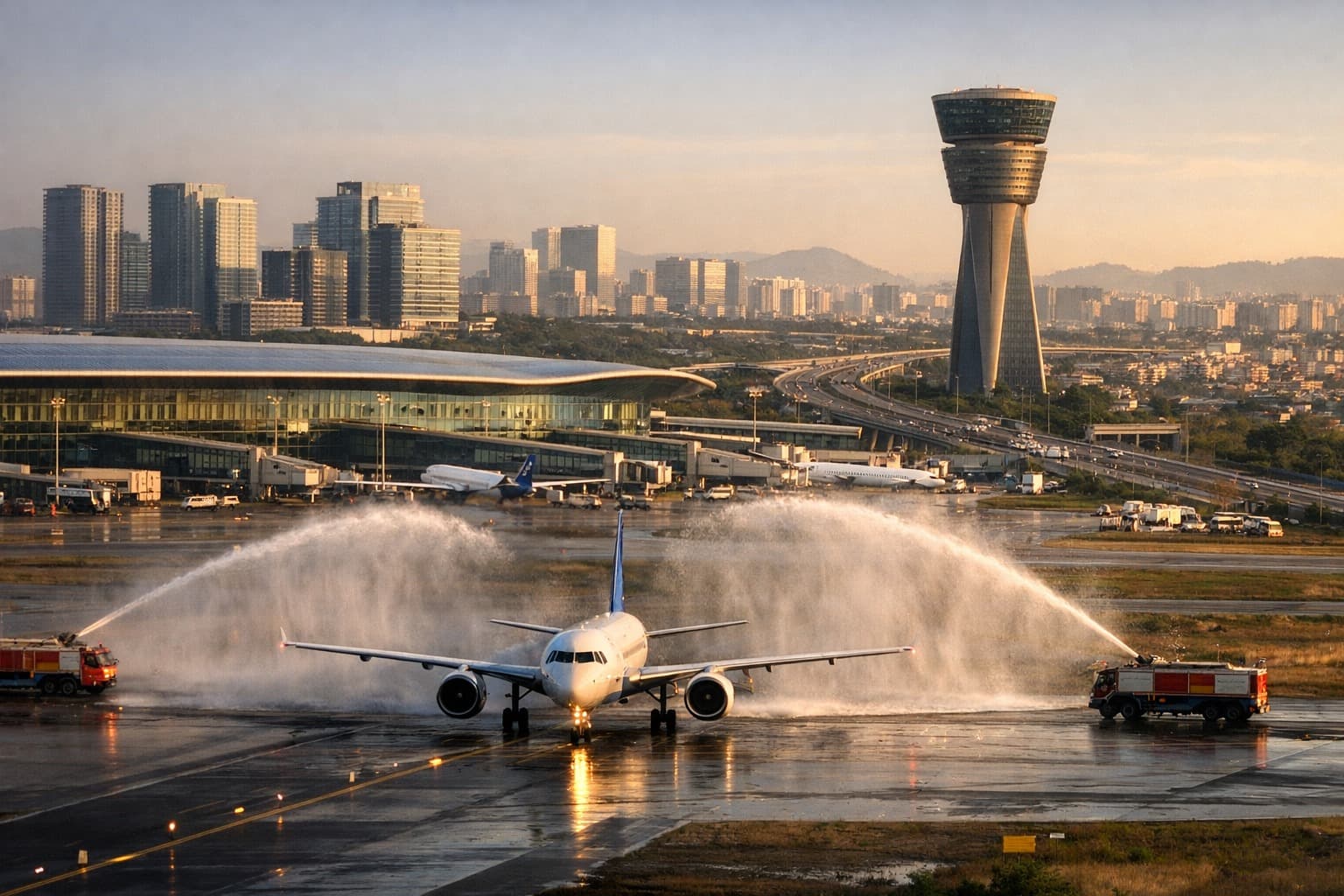
Mumbai’s long-awaited aviation expansion has finally taken shape with the start of operations at Navi Mumbai International Airport. The airport welcomed its first commercial flight with a ceremonial water cannon salute, marking a historic milestone for the Mumbai Metropolitan Region. Designed to reduce congestion at the existing airport and support long-term growth, this development reshapes Mumbai aviation dynamics. The operational launch is not just about flights, but about regional connectivity, economic momentum, and infrastructure-led transformation.
Why Mumbai Needed a Second Airport
Mumbai aviation has been under pressure for years due to rising passenger traffic and limited expansion capacity at the existing airport. Slot constraints, delays, and operational inefficiencies highlighted the urgent need for an alternative. The Mumbai second airport was planned to distribute air traffic load, improve passenger experience, and ensure long-term sustainability. Navi Mumbai International Airport addresses these challenges by offering additional capacity and operational flexibility.
The First Commercial Flight Milestone
The moment when the first commercial flight at Navi Mumbai airport took off marked the transition from planning to reality. The water cannon salute symbolised operational readiness and industry confidence. Airlines and airport authorities coordinated closely to ensure a smooth inaugural operation. This milestone reassures passengers, airlines, and investors that the airport is no longer a future promise but an active aviation hub.
Initial Airline Operations and Connectivity
NMIA commercial flights initially include select domestic routes operated by leading carriers. Flight schedules have been planned to complement existing Mumbai aviation networks rather than compete directly. The phased approach allows operational stability while gradually expanding connectivity. Early routes focus on high-demand sectors, ensuring consistent passenger flow and efficient utilisation of airport infrastructure.
Infrastructure and Design Highlights
Navi Mumbai International Airport has been designed to handle high passenger volumes with modern safety and comfort standards. Wide runways, advanced navigation systems, and efficient terminal layouts support smooth aircraft movement. Passenger facilities prioritise faster check-ins, reduced congestion, and improved baggage handling. As a new airport India benchmark, NMIA reflects global aviation design practices adapted to Indian travel needs.
Operational Impact on Mumbai Aviation
The start of NMIA operations directly impacts Mumbai aviation by easing pressure on the existing airport. Airlines gain flexibility in slot allocation, reducing delays and operational stress. Passengers benefit from better scheduling options and potentially shorter travel times. Over time, traffic redistribution is expected to enhance efficiency across both airports, creating a balanced multi-airport system.
Economic and Employment Implications
Airport inauguration events often trigger broader economic effects, and NMIA is no exception. The airport supports direct employment in aviation, security, retail, and ground services. Indirect employment grows through logistics, hospitality, and transport sectors. The operational launch strengthens Navi Mumbai’s role as an economic growth corridor within the Mumbai Metropolitan Region.
Real Estate and Urban Development Effects
Impact of Navi Mumbai airport on real estate is already visible across surrounding micro-markets. Improved connectivity increases residential and commercial demand. Infrastructure-led growth encourages planned development rather than unstructured expansion. Areas around the airport are expected to attract offices, hotels, and logistics hubs, reshaping the regional property landscape over time.
Phased Expansion Strategy
NMIA operations will expand in phases to ensure stability. Gradual increase in flights, destinations, and passenger capacity reduces operational risks. Authorities plan to align expansion with demand growth and infrastructure readiness. This measured approach reflects lessons learned from congested urban airports and supports long-term operational efficiency.
Passenger Experience and Accessibility
Accessibility is a critical factor for airport success. Navi Mumbai airport opening has been planned alongside road and transit connectivity improvements. Smooth access reduces travel stress and encourages passenger adoption. Over time, improved public transport integration will further enhance airport usability and regional connectivity.
Environmental and Planning Considerations
Modern airports face scrutiny on environmental impact. NMIA incorporates planning measures aimed at efficient land use and operational sustainability. Noise management, energy efficiency, and water management systems form part of long-term planning. These measures balance aviation growth with environmental responsibility.
Long-Term Aviation Landscape Transformation
How NMIA will change Mumbai aviation landscape becomes clearer with operational commencement. Mumbai moves closer to a multi-airport system capable of handling future passenger growth. Airlines gain flexibility, passengers gain choice, and the region gains resilience. The airport strengthens India’s position as a growing aviation market supported by modern infrastructure.
Strategic Importance for Western India
Beyond Mumbai, NMIA enhances connectivity for western India. Improved access supports tourism, trade, and business travel. As routes expand, the airport will serve as a regional gateway, supporting national aviation objectives and reducing dependency on a single congested hub.
Conclusion
The start of operations at Navi Mumbai International Airport marks a defining moment in India’s aviation journey. With the successful handling of its first commercial flight, the airport transitions from vision to reality. Its impact will extend beyond aviation into economic growth, urban development, and regional connectivity. As operations expand steadily, NMIA is positioned to play a central role in shaping Mumbai’s future as a globally connected metropolitan region.
Summary
Navi Mumbai International Airport has officially begun operations with its first commercial flight receiving a water cannon salute, marking a major milestone for Mumbai aviation. The airport addresses congestion at the existing Mumbai airport, improves connectivity, and supports long-term passenger growth. Initial domestic flights will expand gradually through a phased approach. Beyond aviation, NMIA is expected to boost employment, reshape real estate demand, and strengthen regional infrastructure, positioning Mumbai as a multi-airport global city.
Video will be embedded from: https://www.youtube.com/watch?v=f6Zek4z1ZN8