
Mumbai’s Ageing Buildings: MHADA Launches Massive Redevelopment Drive
Summary
MHADA is redeveloping 388 dilapidated Mumbai buildings due to private developer withdrawal. This government-led initiative ensures safer homes, timely reconstruction, and transparency, impacting residents and Mumbai's real estate landscape.

Introduction
Mumbai has long struggled with aging buildings, many of which are structurally weak and unsafe for residents. As private builders hesitate to take on complex redevelopment projects, the government has stepped forward. The Maharashtra Housing and Area Development Authority (MHADA) is now taking responsibility for redeveloping 388 old and dilapidated buildings across key parts of Mumbai. This move marks a major shift in how redevelopment challenges are being addressed in the city. Understanding this change is important for residents, homebuyers, investors, and anyone following Mumbai’s real estate progress.
Why Redevelopment Is Urgent
Many buildings in Mumbai, especially in older localities, are more than 60–70 years old. Rain, coastal weather conditions, and lack of maintenance have weakened many structures. The redevelopment of unsafe buildings in Mumbai has become necessary because such buildings pose daily risks to residents. Delays can lead to evacuations, collapses, or temporary relocations. Government-led intervention ensures faster and safer redevelopment.
Why Private Developers Backed Out
One major concern has been that several private developers withdrew from redevelopment plans. Understanding why private developers back out of redevelopment projects requires looking at multiple challenges:• High construction costs• Limited profitability in old congested areas• Difficulty in relocating tenants• Complex legal and financial procedures• Delays due to insufficient project funding
As a result, many projects remained stuck for years, leaving residents in unsafe living conditions.
MHADA Steps In: A Major Turning Point
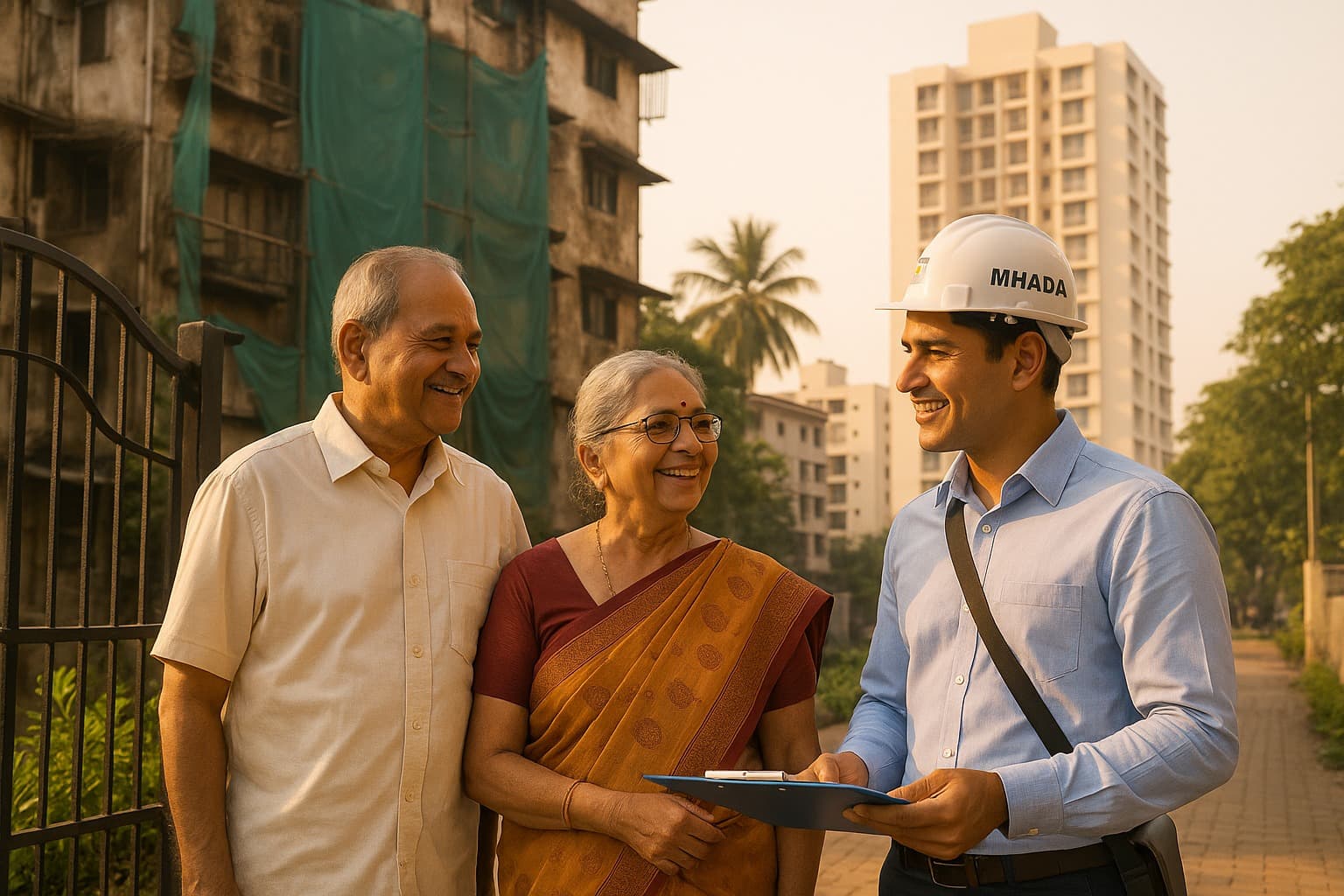
To resolve the issue, the MHADA steps in to redevelop 388 old and dilapidated buildings initiative was launched. MHADA will now become the primary authority responsible for completing redevelopment where private developers failed. This is a decisive move as it ensures that redevelopment no longer depends solely on private real estate players. Instead, a government-backed body with stronger authority and better access to funding will lead the process.
Impact on Residents and Housing Safety
The safety of families living in these buildings has been a growing concern. The impact of MHADA redevelopment on residents includes:• Assurance of timely reconstruction• Safer temporary accommodation during redevelopment• Priority for existing residents in new allotments• Legal clarity regarding ownership and tenancy• Improved building design and safety standards
This shift restores confidence among residents who have been waiting for redevelopment for years.
How MHADA Will Execute the Redevelopment
MHADA follows a structured redevelopment model that includes planning, demolition, reconstruction, and allotment. A step-by-step explanation of MHADA’s role in reconstructing unsafe structures typically involves:

Surveying and officially declaring buildings as dilapidated
Preparing redevelopment plans with approvals
Providing temporary relocation support
Demolishing unsafe buildings safely
Constructing new buildings with updated standards
Allotting new units to original residents
This systematic approach reduces delays and ensures accountability.
Government-Led Redevelopment in South Mumbai
Many of the affected buildings are located in prime parts of South Mumbai. The region faces challenges such as limited land, heritage structures, and old tenancy systems. Government-led redevelopment in South Mumbai helps overcome issues that private developers often find difficult to manage. With MHADA’s authority, processes that earlier moved slowly can now progress efficiently.
Transparency and Regulatory Oversight
One major advantage of MHADA’s involvement is transparency. Government agencies follow strict guidelines, public reporting, and clear legal frameworks. This reduces disputes between residents, builders, and authorities. The long-term impact of MHADA’s redevelopment initiative on urban housing safety includes better compliance with structural norms and stricter monitoring of redevelopment work.
What Residents Must Know
Residents living in these buildings should stay informed about timelines, temporary accommodation policies, and documentation. What residents must know about MHADA handling old building redevelopment includes:• Keeping all tenancy documents updated• Participating in official surveys• Following MHADA’s relocation guidelines• Cooperating with redevelopment teams• Staying updated through official notices
Understanding the process helps residents prepare for temporary shifts and smoother transitions.
How This Move Will Influence Mumbai’s Real Estate
This initiative is likely to improve housing supply, upgrade old localities, and increase property values in the long term. It also signals that the government is willing to step in whenever redevelopment stalls, which boosts confidence among homebuyers and investors. The how MHADA’s redevelopment of 388 dilapidated buildings will transform Mumbai housing perspective shows that older areas may gradually modernize with better infrastructure and safer homes.
The Future of Redevelopment in Maharashtra
Government-led redevelopment may expand to other districts if the Mumbai model succeeds. It also sets a precedent for stricter evaluation of old buildings and quicker action in unsafe cases. Redevelopment may become faster, more standardized, and more resident-friendly.
Summary
MHADA taking responsibility to redevelop 388 old and dilapidated buildings marks a major shift in Mumbai’s redevelopment landscape. With private developers backing out, government-led intervention ensures safety, timely reconstruction, and transparency. Understanding why government intervention became necessary for stalled redevelopment projects helps residents appreciate this move. MHADA’s structured approach promises safer homes, better infrastructure, and smoother progress. This decision is expected to significantly improve living conditions and transform aging neighbourhoods across Mumbai over the coming years.
Video will be embedded from: https://www.youtube.com/watch?v=PRvC8EeLsSg