
Mumbai's Slums Are Rebuilding Faster Than Most People Realise
Summary
Mumbai's slum redevelopment is accelerating significantly, with over 56% of the city's slum land now in active or stalled projects, driven by land scarcity and policy. This large-scale transformation, involving major developers, impacts property values while raising critical human welfare considerations for residents.

Somewhere between the skyline views and the traffic complaints, Mumbai has quietly crossed a threshold most residents probably haven't noticed. More than half the city's slum land is now caught up in some stage of redevelopment, and that number alone rewrites a lot of assumptions about how this city is actually changing.
The Number That Deserves a Second Look
According to figures from the Slum Rehabilitation Authority, projects covering 2,751 acres are either under construction or currently stalled. That works out to just over 56 percent of Mumbai's total slum land, which spans close to 4,882 acres citywide. Put another way, that redevelopment footprint is larger than the entire land bank held by Mumbai Port Authority.
Built, Stuck, and Everything In Between
Of that 2,751 acre figure, around 2,156 acres are actively being redeveloped right now, while roughly 595 acres sit stalled for one reason or another. That gap matters. A project counted as "in the pipeline" doesn't always mean cranes are running, sometimes it means paperwork, funding, or consent processes have simply frozen mid-way.
Why This Is Happening Now, of All Times
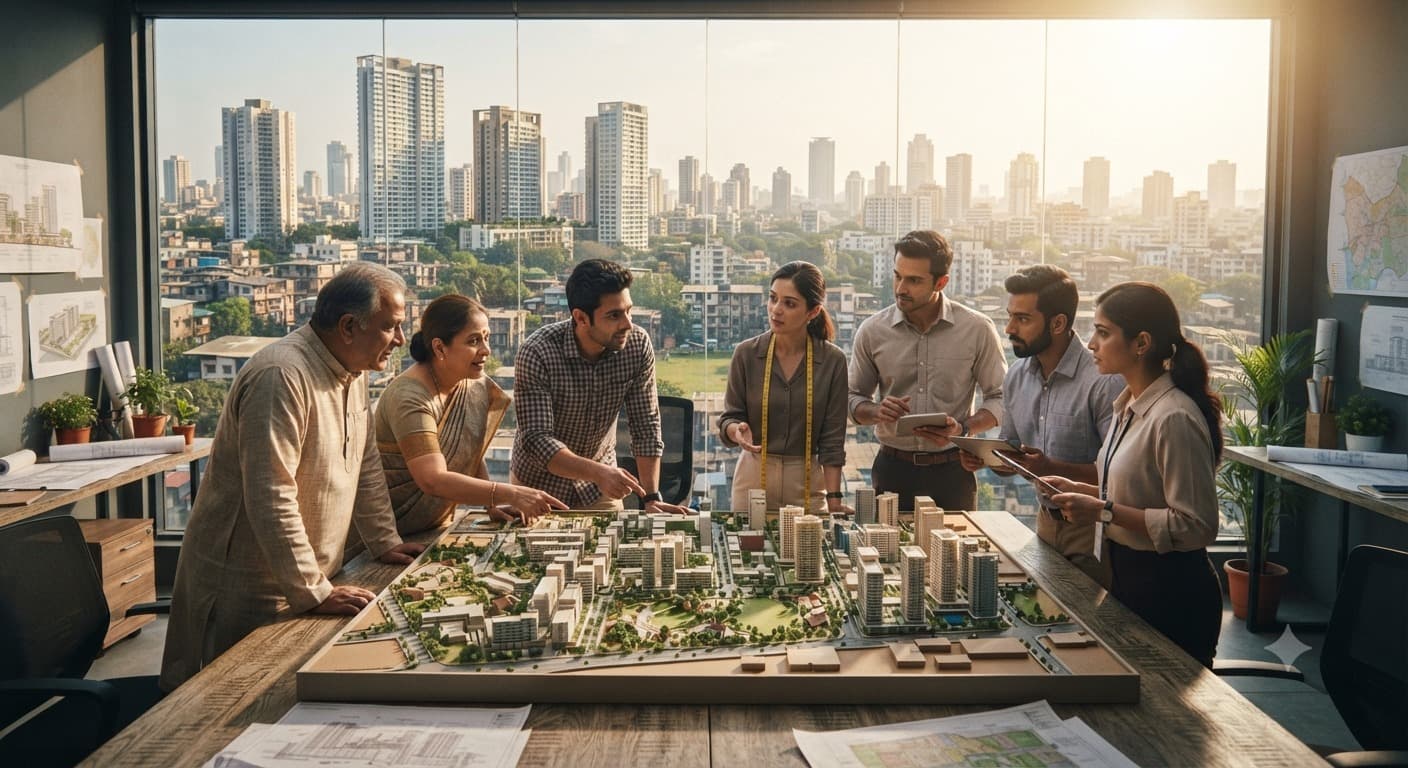
A mix of factors is feeding this surge, not one single push. Land within city limits has become genuinely scarce, policy has grown friendlier toward developers willing to take on rehabilitation obligations, and many slum colonies sit on locations that would otherwise command extraordinary market value. Industry voices have pointed to exactly this combination as the reason redevelopment activity has spiked so sharply in recent years.
Three Decades of Slow, Steady Progress
It's worth remembering the SRA wasn't created yesterday, it's been running since 1995. In that time, 631 completed projects across 556 acres have rehoused close to 294,000 families. Compare that historical pace to the scale currently in motion, and it becomes obvious just how much this effort has accelerated recently rather than simply continuing an old trend.
The Big Names Entering the Picture
This isn't small, scattered activity anymore. Massive cluster redevelopment schemes are now on the table, including a roughly 450 acre project at Antop Hill in Wadala involving close to 65,000 slum homes, arguably the single largest cluster by area currently before Maharashtra's High-Powered Committee. Even large corporate names, including Reliance's realty arm, have entered this space through project awards, which says something about how commercially serious slum redevelopment has become.
What This Could Mean for Property Prices Nearby
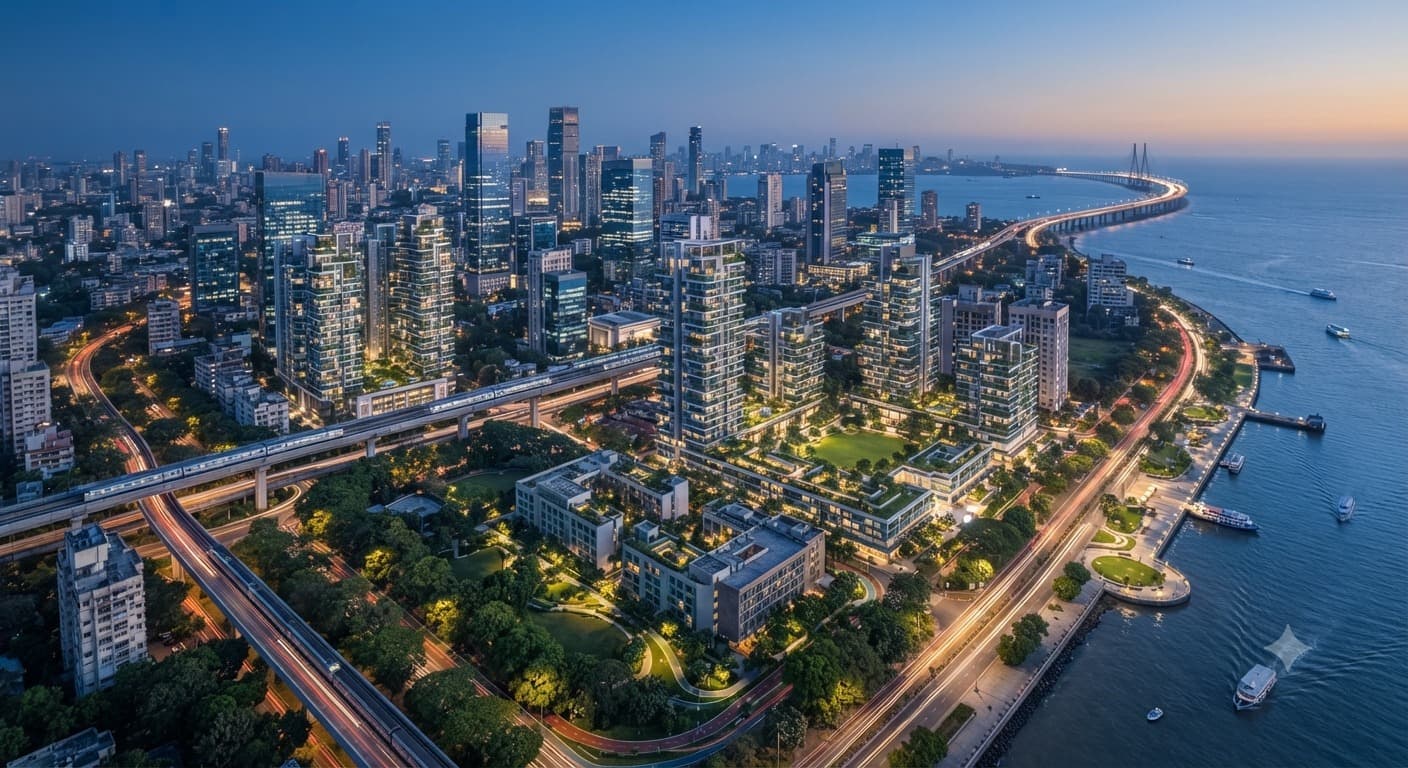
Areas bordering these redevelopment zones tend to see a ripple effect on pricing once construction visibly progresses. Neighbourhoods near Bandra East, BKC, and Kurla West already command rates well above ₹25,000 per square foot, and clusters like Behrambaug sitting close to that belt stand to benefit as connectivity and infrastructure around them improve. It's the kind of shift that rewards patient investors more than those chasing quick flips.
The Human Side Nobody Should Skip Past
Numbers this large can flatten the actual experience of the people involved. Activists have rightly pushed back on treating this purely as a real estate opportunity, insisting that permanent housing and fair transit rent during construction remain non-negotiable for residents. A slum-free Mumbai only means something if the people currently living there actually end up better housed, not just relocated somewhere convenient for a balance sheet.
Summary
Mumbai's slum redevelopment drive has reached a genuine turning point, with over 56 percent of the city's slum land now part of an active or stalled pipeline covering 2,751 acres. Large cluster projects like Antop Hill are reshaping how this transformation happens at scale, while nearby property markets stand to benefit from improved infrastructure over time. As the SRA pushes toward a slum-free Mumbai, balancing commercial momentum with resident welfare will decide whether this progress genuinely holds up.
Video will be embedded from: https://www.youtube.com/watch?v=170ErWXdRIk