
Mumbai's Slum Redevelopment Push Just Got Eighteen Times Bigger
Summary
A single successful pilot project in Andheri appears to have given Maharashtra's housing authorities the confidence to think much bigger. The Slum Rehabilitation Authority is now pursuing approval for eighteen additiona…

A single successful pilot project in Andheri appears to have given Maharashtra's housing authorities the confidence to think much bigger. The Slum Rehabilitation Authority is now pursuing approval for eighteen additional cluster redevelopment projects scattered across the Mumbai Metropolitan Region, building directly on the momentum generated by its first large-scale attempt at this model.
How the Andheri Pilot Set the Stage
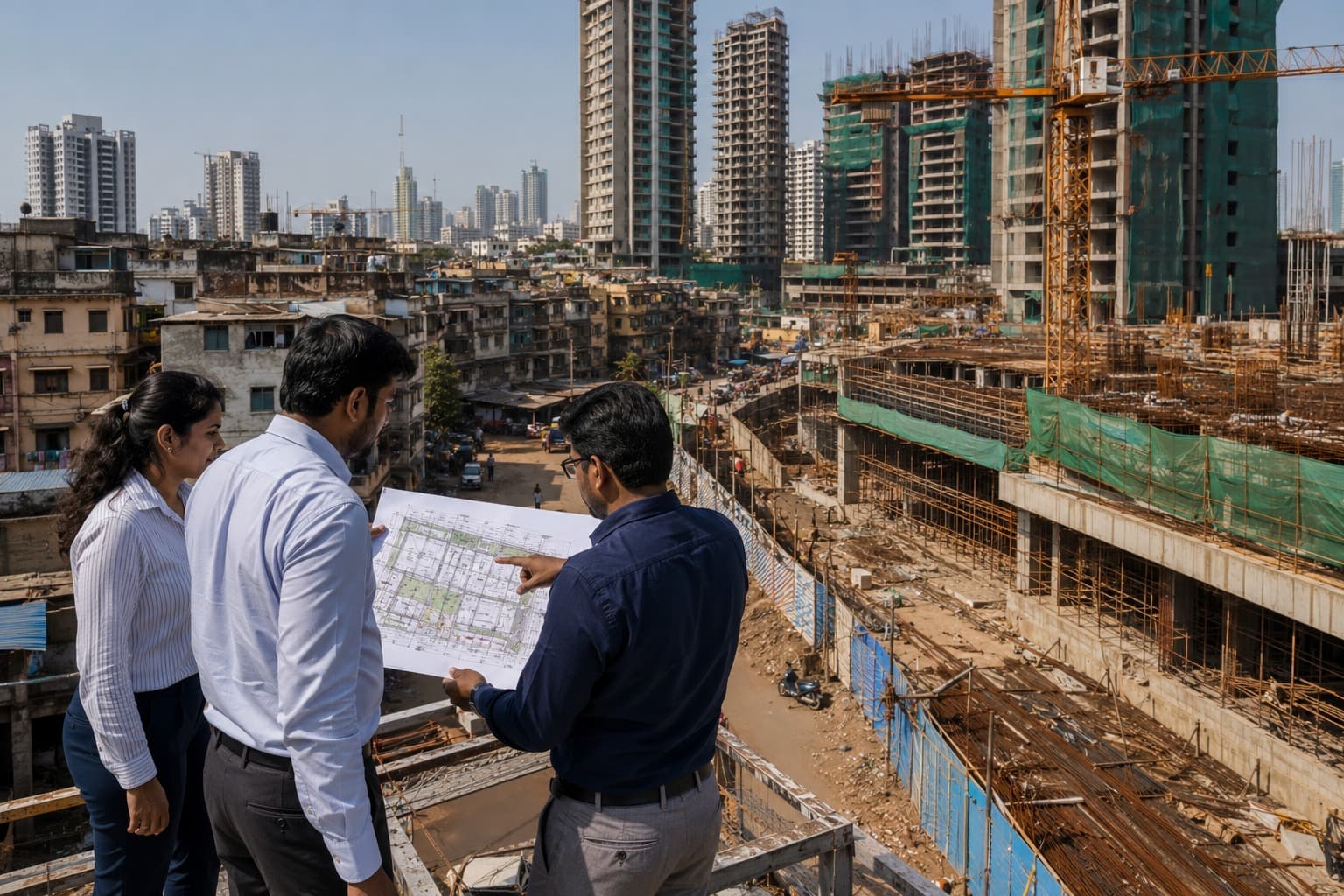
The starting point for all of this was a 101.36-acre stretch along C.D. Barfiwala Marg in Andheri West, of which roughly 61.40 acres was occupied by slum settlements. Years of restrictions tied to its proximity to the airport, combined with strict height limits and fragmented ownership, had left redevelopment efforts in that pocket stuck for a long stretch of time.
A competitive bidding process invited several major real estate names into the fray, and Reliance 4IR Realty Development emerged as the top-ranked bidder. The scheme tied to this project plans for 28,061 rehabilitation homes in total, split between roughly 14,000 units for existing slum dwellers and a further 14,061 additional rehabilitation tenements layered on top.
SRA leadership has been vocal about the bidding process itself being a departure from how things used to work, pointing to a more transparent, competitive structure that avoided the old practice of quietly issuing letters of intent without proper tendering.
The Policy Foundation Behind the Expansion
None of this scaling up happens in a vacuum. The Maharashtra government formally approved the cluster redevelopment scheme through a resolution dated November 13, 2025, anchored within the broader State Housing Policy of 2025. Under this framework, any contiguous parcel of land spanning at least fifty acres, where more than half the area is occupied by slum settlements, becomes eligible for this style of integrated redevelopment.
The logic driving this approach is straightforward enough. Redeveloping slum pockets one tiny plot at a time tends to produce cramped, poorly planned outcomes with narrow lanes and little room for parks or civic amenities. Tackling a much larger contiguous area in one coordinated project allows planners to widen roads, carve out genuine open spaces, and build schools and healthcare facilities alongside the housing itself.
Where the Next Eighteen Projects Are Headed
Early reporting points to the Wadala Truck Terminal, Behrampada in Bandra East, and Majaswadi in Andheri East as among the more prominent names being discussed for the next wave. Beyond these three, several other large slum pockets spread across the wider Mumbai Metropolitan Region are reportedly under review, with detailed planning and approval work currently underway behind the scenes.
State officials have framed the ambition behind this expanded push in fairly sweeping terms, suggesting that somewhere between six and seven lakh slum residents across the region stand to gain permanent housing if these eighteen projects move forward as planned.
What This Could Mean for Mumbai's Skyline and Its Residents
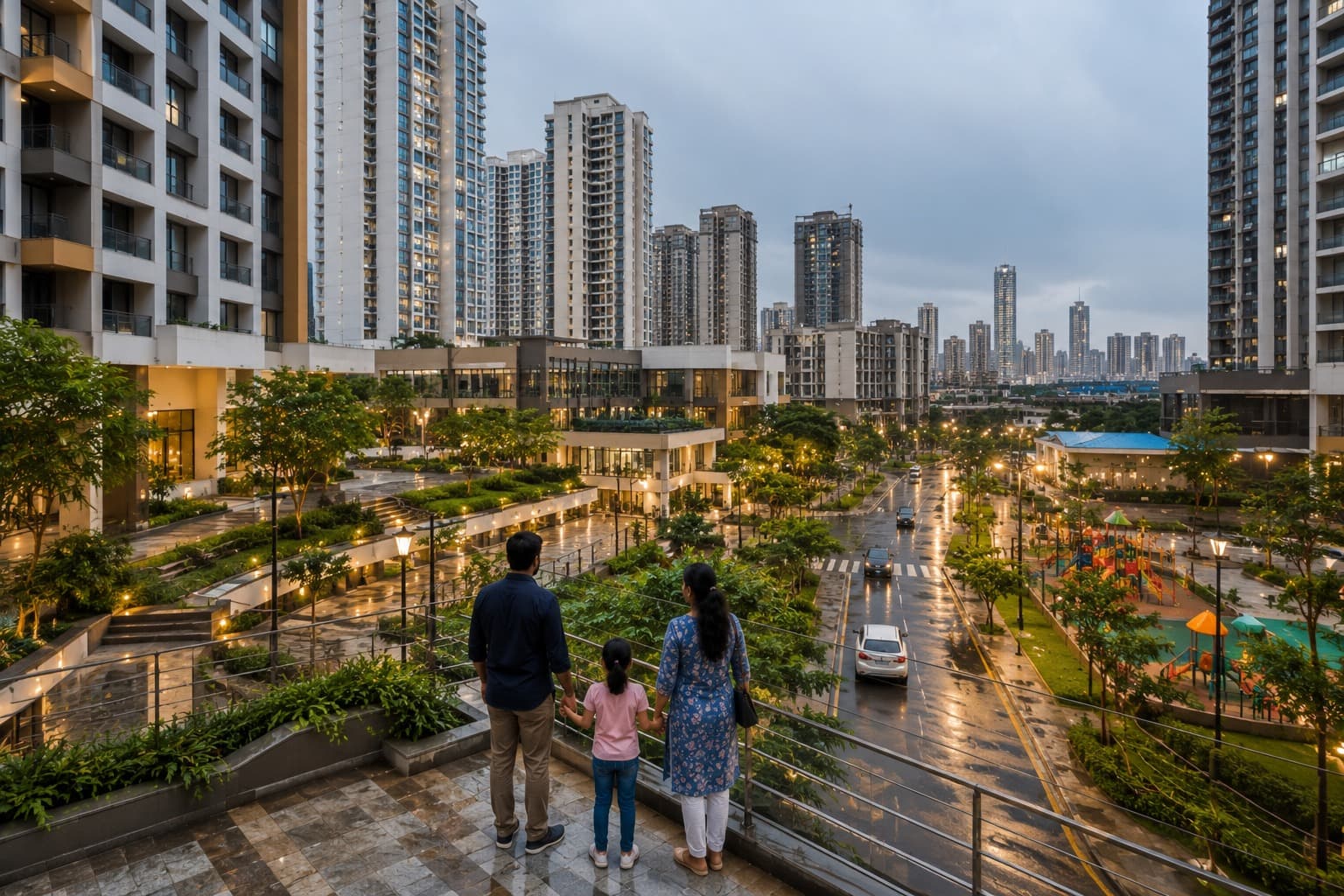
If even a handful of these eighteen clusters proceed at anything close to the scale of the Andheri pilot, the cumulative effect on Mumbai's housing stock and urban layout would be substantial. Large private developers have already shown willingness to compete for these projects, which suggests the financial model behind cluster redevelopment, often involving higher floor space index allowances and premium waivers, is proving attractive enough to draw serious corporate interest.
For residents currently living in informal settlements within these identified clusters, the promise is permanent, legally recognised housing in place of structures that have often stood for decades without basic civic infrastructure. For the city more broadly, success here could mean the slow conversion of some of Mumbai's most congested, infrastructure-starved neighbourhoods into planned residential zones with proper roads, drainage, and public spaces.
Summary
Scaling a single successful project into eighteen simultaneous efforts is no small administrative undertaking, and approval from the High-Powered Committee remains a pending step for most of these clusters. Still, the willingness of major developers to engage with the Andheri project on transparent terms offers a reasonable basis for optimism that at least some of these eighteen projects will move from paper to construction sites within the coming years.
Video will be embedded from: https://www.youtube.com/watch?v=TFmMwYxbkBg