
Mumbai's Local Amenities: A Neighborhood Guide to Shopping, Entertainment, and Healthcare
Summary
Explore Mumbai's vibrant neighborhoods through its shopping malls, entertainment, and healthcare amenities. Discover how these local conveniences shape lifestyle and drive real estate demand in key areas.

Introduction
Mumbai is a city of contrasts — from narrow busy lanes to sprawling modern complexes. For a resident or someone planning to move here, knowing where to shop, where to enjoy a break, or where to rely on hospitals is vital. Good local amenities shape our daily life, affect convenience, and — over time — influence how desirable a neighbourhood becomes. In this post, we present a “neighbourhood guide” of top shopping, entertainment and medical-amenity hubs in Mumbai, so you can get a sense of what full city-lifestyle convenience looks like.
Top Shopping Malls in Mumbai
Here are some of the best-known shopping malls in Mumbai that provide a mix of retail, food, and entertainment — making them central to the city’s urban lifestyle.
Phoenix Marketcity — One of the largest malls, known for a huge mix of domestic and international brands, eateries, and a cinema multiplex.
High Street Phoenix — A major retail landmark combining fashion stores, entertainment options and a popular gathering spot.
Palladium Mall — Known for luxury shopping, premium brands and fine dining — appealing to those seeking upscale retail experience.
R City Mall — Offers a balanced shopping, dining, and entertainment experience; popular among families and neighbourhood shoppers.
Oberoi Mall — Serves the western suburbs, offering convenient access to shopping, cinema and casual dining for residents in that zone.
InOrbit Mall — A reliable mall for everyday shopping needs, accessible for many people living in suburbs.
Viviana Mall — While technically in Thane, it's often visited by Mumbaikars; offers a broad mix of shopping, entertainment and is well-recognised.
Growel's 101 Mall — A more local-community-oriented mall, useful for people living in that part of the city and suburbs. These malls are spread across different parts of the city — South, Central, Western suburbs, and even extending to neighbouring zones — making shopping and entertainment accessible to a wide population.
Key Entertainment & Lifestyle Zones & Attractions
Beyond malls, the city thrives on other entertainment zones, street-side markets, cultural spots and public attractions. Here are some of them:
Fashion Street — A famous street-market area where many bargain-hunters shop for clothes, accessories, and street-fashion items at reasonable prices.
Several “things to do” spots suggested by local guides and travel forums in Mumbai – ranging from seaside promenades, heritage walks, beach-fronts, cultural sites and public parks (as compiled under general attraction lists) — adding to the city’s diverse urban lifestyle. These zones contribute to the “city lifestyle” beyond retail — offering recreation, socialising, casual outings, and a break from daily routine. They underscore how varied and lively entertainment options are woven into Mumbai’s fabric.
Hospitals & Medical Infrastructure (as Amenities)
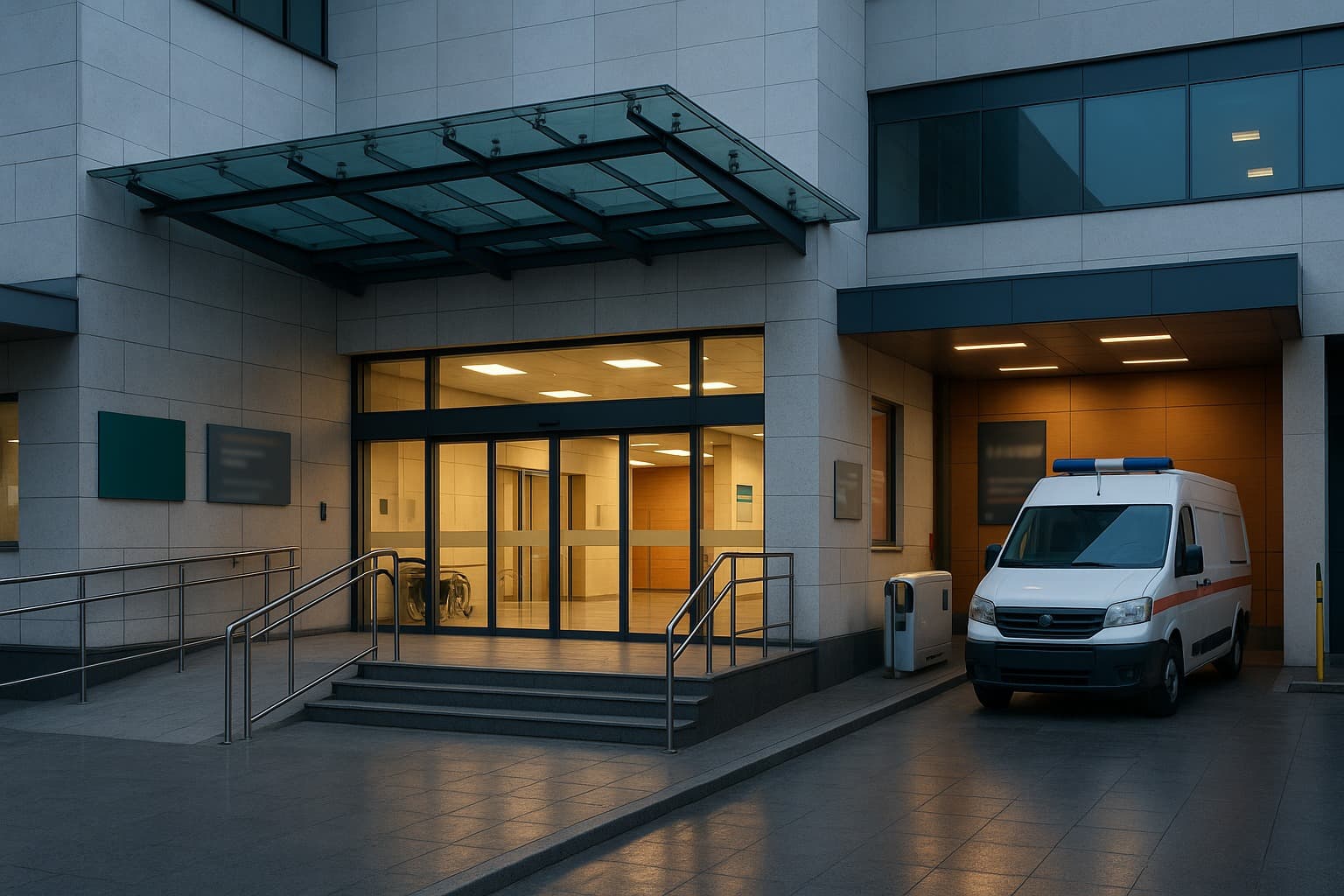
Any comprehensive look at local amenities must include healthcare — even though the mall guides themselves do not list hospital names, the presence of reliable hospitals across Mumbai is widely acknowledged in medical-amenity guides. For a resident, proximity to good hospitals is a critical requirement when choosing where to live. (While specific hospital names from the source list are limited, the general idea remains that good medical infrastructure exists across Mumbai’s residential zones.)
Given how city planning and residential real estate intertwine, access to healthcare centres — along with shopping and entertainment hubs — becomes part of overall lifestyle convenience that residents expect in a metro.
How Proximity to Malls & Entertainment Influences Real Estate Demand
When shopping malls, entertainment zones, and medical services are located near or within easy reach of residential areas, they make those localities far more attractive. People enjoy:
Easy access to branded stores, grocery, daily needs — without having to travel long distances.
Weekend entertainment and recreation with multiplexes, cinemas, children’s play areas, food courts, and social hangouts.
Secure and convenient lifestyle that blends work, leisure, and comfort.
As a result, many home seekers prioritise neighbourhoods with such amenities. This leads to real estate demand near key lifestyle zones rising — because buyers recognise that such areas offer full lifestyle convenience. Developers also take note of these trends, planning projects in zones with such infrastructure to match buyer preferences.
Best Localities Offering Full Lifestyle Convenience
Based on the spread of malls and entertainment hubs across Mumbai, some localities and suburbs stand out for offering nearly “complete convenience.” Among them:
Lower Parel — close to malls like High Street Phoenix and Palladium, ideal for those seeking luxury shopping and central-city connectivity.
Kurla — serviced by Phoenix Marketcity, giving access to a large mall with varied options.
Ghatkopar — with R City Mall, combining shopping, food, entertainment for families and working adults.
Goregaon (East/West) — near Oberoi Mall, suitable for suburban living with easy access to retail and leisure amenities.
Malad and suburbs around Kandivali — served by InOrbit Mall, Growel’s 101 Mall, offering a balanced residential plus convenience mix.
Extended suburbs / neighbouring zones (like Thane) — to accommodate people willing to commute a bit more but seeking a mix of modern amenities and comparatively affordable housing (e.g., access to Viviana Mall).
These localities tend to become more desirable over time, because they combine everyday living needs, leisure, and commutability in one package — a pattern aligning with amenity-driven property demand trends in metro cities.
Why Amenity Clusters Boost Property Value
Areas with a cluster of amenities — malls, entertainment zones, access to medical care or hospitals, good transport — tend to attract more residents. This leads to increased demand for housing, which over time contributes to property appreciation. This dynamic shows how local amenities like shopping, hospitals, and malls boost property value and shapes long-term housing trends.
Residents prefer living where they can shop, dine, relax, and get medical care without hours of travel. As more people gravitate toward such neighbourhoods, supply–demand balance tilts, and developers often respond by launching quality housing projects in those areas. This cycle strengthens neighbourhood value and real estate appreciation near urban amenity clusters.
Neighbourhood Guide: How to Use This List to Pick a Home Area
If you are planning to move to Mumbai or looking to buy/rent a home, here are some suggestions using the lists above:
Make a short-list of neighbourhoods based on your work location, commute comfort, and lifestyle preferences (e.g., whether you prefer luxury, mid-range, or suburban calm).
Check proximity to one of the major malls listed (for regular shopping and entertainment) and any good hospital or medical facility nearby (for safety and convenience).
Consider infrastructure such as transport connectivity — many malls are near suburban railway or major roads, which also facilitates easier commuting.
Think long-term: neighbourhoods with established amenity clusters often appreciate better over time, giving both comfort and investment value.
In this way, the list acts as a neighbourhood guide for essential amenities — helping you balance living comfort and realistic property demand.
Final Thoughts on Mumbai’s Amenity-Driven Lifestyle and Real Estate Demand
Mumbai offers a wide variety of amenities — from high-end malls and family-friendly shopping centres to lively street-markets and entertainment zones. The spread of these amenities across different suburbs ensures that residents of varying budgets and needs can find suitable localities. As these amenity clusters grow, they shape not only lifestyle but also real estate demand near key lifestyle zones. For many homebuyers, proximity to shopping, entertainment, and hospitals influences where they choose to settle — reinforcing the importance of such amenities in defining city-living comfort.
By understanding where these malls and lifestyle hubs are located, and how they tie into housing demand, one can make informed decisions — whether one seeks a home for personal living or a property for long-term value growth.
Summary
Mumbai’s local amenities — from major shopping malls to street markets and entertainment zones — shape the urban lifestyle and influence neighbourhood demand. Malls like Phoenix Marketcity, High Street Phoenix, Palladium, R City, Oberoi, InOrbit, Viviana and Growel’s 101 provide retail, dining and recreation under one roof. Areas around these hubs offer residents convenience and social options, making them desirable for living. As a result, real estate demand near key lifestyle zones rises and supports real estate appreciation near urban amenity clusters. For home-seekers and investors, such amenity-rich neighbourhoods offer ideal balance of lifestyle and value.