
Mumbai's 1,000-Acre Cluster Redevelopment Push: Analyzing the Impact
Summary
Mumbai's ambitious 1,000-acre cluster redevelopment aims to overhaul aging infrastructure and improve livability. This policy shift promises coordinated upgrades, new housing, and significant real estate impacts for residents and developers alike.

Introduction
Mumbai has been talking about urban renewal for decades. The city's ageing housing stock, crumbling chawls, and structurally compromised buildings in densely populated central neighbourhoods have been a policy problem that successive governments have acknowledged without fully solving. Maharashtra Chief Minister Devendra Fadnavis's announcement that 1,000 acres have been opened for Mumbai cluster redevelopment is the most ambitious single step in that direction in recent memory. It is not a pilot programme or a study. It is a policy decision with immediate real estate consequences for residents, developers, and investors across some of Mumbai's oldest and most densely occupied neighbourhoods.
What Cluster Redevelopment Actually Means
Cluster redevelopment Mumbai is fundamentally different from the society-level redevelopment that most people are familiar with. In a society redevelopment, a single housing cooperative negotiates with a developer to demolish and rebuild its specific building. Cluster redevelopment aggregates multiple buildings, plots, and in some cases entire urban blocks into a single redevelopment zone where a comprehensive master plan replaces the piecemeal approach.
The scale difference is transformative. Instead of one building being rebuilt while neighbouring structures continue to deteriorate, an entire precinct is redeveloped simultaneously with coordinated infrastructure, open space, road widening, and utility upgrades built into the plan from the start.
The 1,000 Acres: Where and What
The 1,000 acres opened under the Maharashtra redevelopment policy announcement covers a significant portion of Mumbai's older residential fabric, including areas characterised by pre-1969 buildings, cessed structures, and chawl clusters across the island city and inner suburbs. These are neighbourhoods where individual building redevelopment has been complicated by fragmented ownership, small plot sizes, and the legal complexity of cessed building regulations.
By aggregating these parcels into cluster zones, the policy removes the primary obstacle that has kept individual society redevelopments stuck for years. A developer working on a cluster zone deals with a consolidated development rights framework rather than negotiating separately with dozens of individual cooperative societies each with their own demands and internal disputes.
Why This Matters for Mumbai's Livability
The Mumbai livability problem is not abstract. Thousands of families in the city's older precincts live in buildings that are structurally unsafe, have inadequate sanitation, receive limited natural light, and sit on lanes too narrow for emergency vehicles to access. These are not fringe populations. They occupy some of Mumbai's most centrally located land.
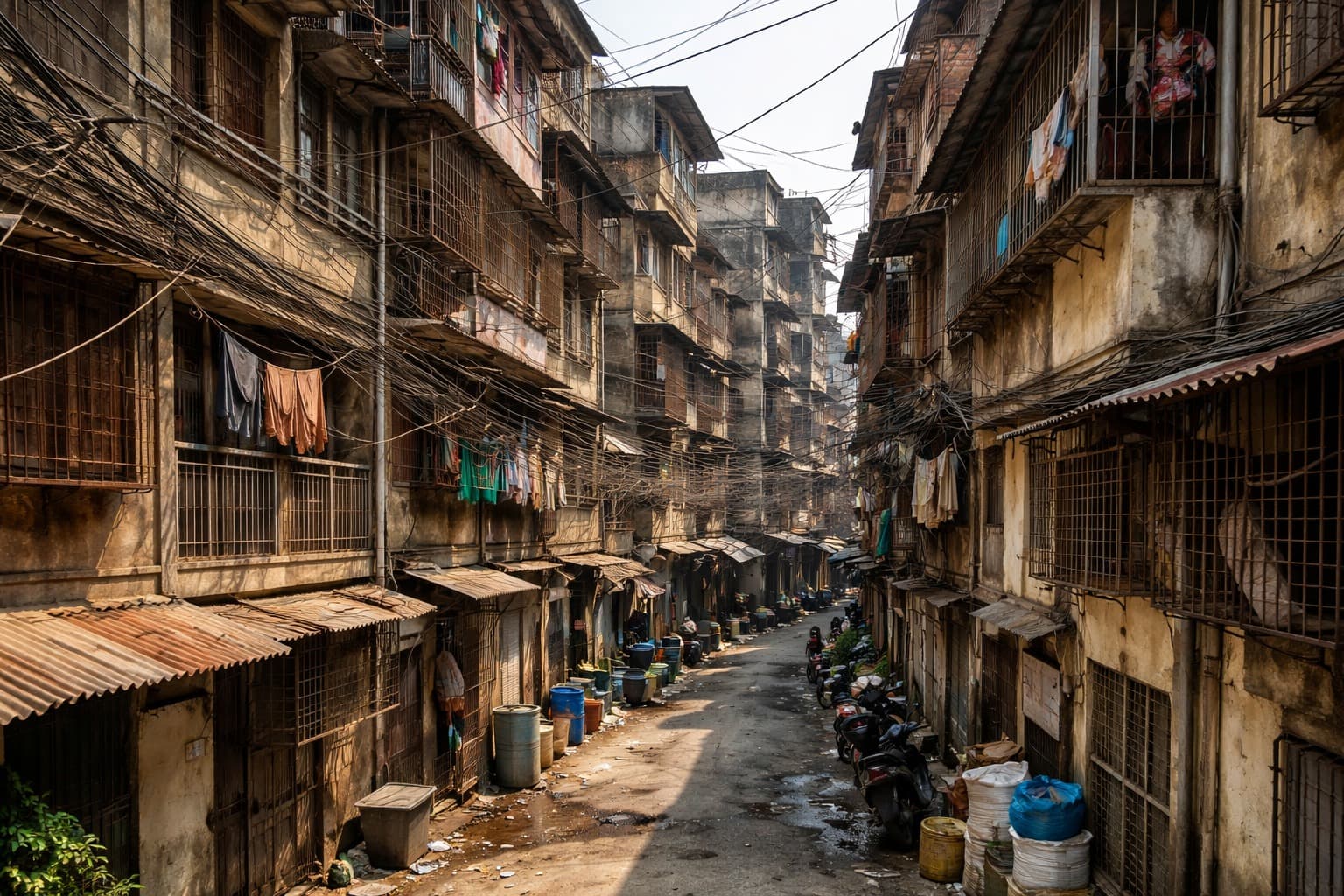
CM Fadnavis Mumbai urban renewal announcement addresses the quality of life deficit in these areas directly. Cluster redevelopment replaces unsafe structures with modern buildings that meet current safety codes, incorporates wider roads and pedestrian infrastructure, and creates the open space ratios that individual building redevelopments on small plots structurally cannot.
Real Estate Implications for Affected Areas
The property market impact of a Mumbai redevelopment 2026 announcement of this scale operates on multiple timelines. In the immediate term, land values in identified cluster zones rise as developers assess the development potential unlocked by aggregated FSI allowances. Buyers who own resale flats in buildings likely to fall within cluster redevelopment boundaries face a choice between selling now at pre-redevelopment prices or waiting for rehabilitation that will deliver a larger, newer apartment.
Neighbourhoods that complete cluster redevelopment cycles consistently trade at significant premiums over their pre-redevelopment valuations. The combination of new construction, wider roads, better utilities, and improved open space ratios repositions entire areas within Mumbai's residential hierarchy.
Developer Interest and Execution Reality
Large-scale cluster redevelopment attracts a different developer profile than individual society projects. The capital requirements, planning complexity, and multi-year execution timelines require developers with deep balance sheets, experienced project management teams, and the ability to manage rehabilitation obligations for hundreds of families simultaneously.
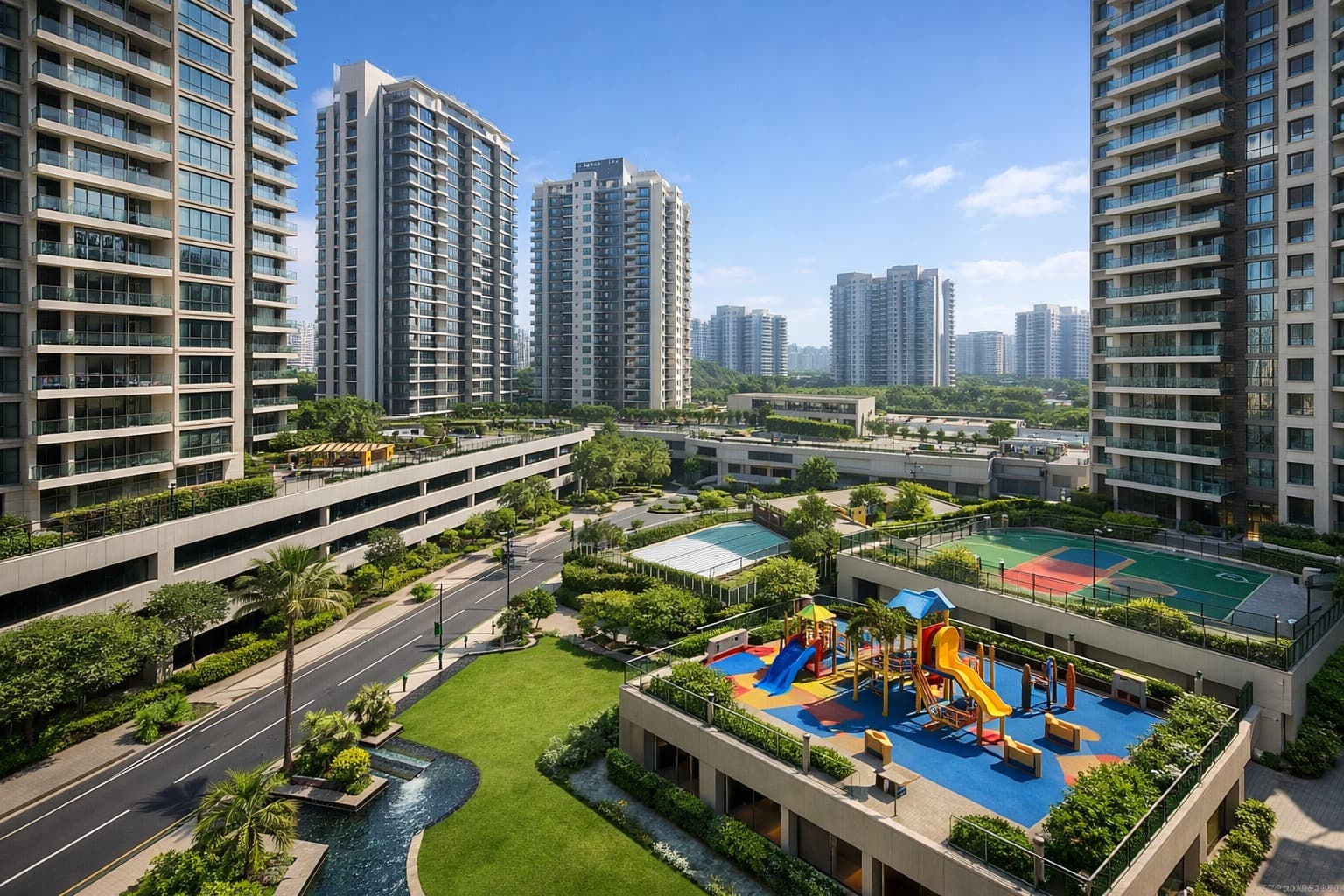
Established Mumbai developers with redevelopment track records including Godrej Properties, Oberoi Realty, Mahindra Lifespaces, and Lodha are well positioned to participate in cluster zone bidding. The announcement will also attract newer entrants who recognise that 1,000 acres of centrally located Mumbai land entering the organised redevelopment pipeline is a generational opportunity.
What Residents in Affected Buildings Should Know
For families currently living in buildings that may fall within cluster redevelopment zones, the announcement triggers a process rather than an immediate outcome. Surveys, consent requirements, rehabilitation entitlement calculations, and developer selection processes all precede any actual construction activity. The timeline from announcement to possession of a new apartment in a cluster redevelopment project is typically five to eight years.
Residents should engage with their building's cooperative society, understand their rehabilitation entitlements under the applicable DCR norms, and seek independent legal advice before signing any consent documents with developers who approach them during the pre-tender phase.
Summary
Maharashtra CM Devendra Fadnavis's 1,000-acre cluster redevelopment announcement is the most consequential urban renewal policy move in Mumbai in years. It addresses the city's livability deficit at a scale that individual society redevelopments structurally cannot match, opens centrally located land to organised development, and creates a multi-year pipeline of new residential supply in Mumbai's most supply-constrained precincts. For residents, developers, and real estate investors, the 1,000 acres represent both an opportunity and a process that rewards informed patience over impulsive reaction.
Video will be embedded from: https://www.youtube.com/watch?v=t0ToVYhmtwU