
Mumbai Slum Redevelopment: BMC Opens 26 New Pockets for Housing Projects
Summary
BMC has opened 26 new slum pockets for redevelopment in Mumbai, focusing on rehabilitation and structured housing. This initiative aims to balance urban growth with social responsibility, particularly in areas like Govandi and Chembur.

Introduction: A New Phase in Mumbai’s Slum Redevelopment Journey
Mumbai is a city that grows every single day. New towers rise, flyovers expand, and infrastructure keeps moving forward. But behind this progress, there is another reality. Thousands of families still live in informal settlements, waiting for stable housing and dignity.
Now, the Brihanmumbai Municipal Corporation has taken another major step. By opening 26 new slum pockets for redevelopment, the city is trying once again to balance growth with social responsibility.
With this move, BMC opens 26 slum pockets for redevelopment, bringing renewed focus on rehabilitation, structured housing, and long-term urban planning.
Why This Announcement Matters Right Now
Slum redevelopment in Mumbai is not new. It has been happening for decades. But progress has often been slow. Many projects get stuck in paperwork, disputes, or lack of developer interest.
This time, the Mumbai slum redevelopment plans are part of a wider coordinated effort between the state government, BMC, and SRA.
In 2024, the government created a joint framework involving seven agencies. Under this, more than 228 projects were identified. Out of these, BMC became the planning authority for 64 schemes.
So, this new round is not isolated. It is part of a much larger roadmap.
What Are These 26 Slum Pockets?
In the latest round, BMC has invited developers to submit expressions of interest for 26 slum clusters spread across Mumbai.
Together, these pockets cover nearly 4.48 lakh square metres of land. That is a massive area, almost like creating a small township inside the city.
Most of these pockets are located in:
Govandi – 18 pockets with over 22,000 tenementsGhatkopar West – 1 pocket with nearly 2,000 hutmentsChembur – 2 pockets with more than 1,100 homesVile Parle – 1 smaller pocket with around 150 units
These locations are not random. They are densely populated zones where redevelopment can significantly improve living conditions.
This makes Govandi slum redevelopment and Chembur housing redevelopment especially important for Mumbai’s eastern suburbs.
Who Can Apply for These Projects?
One key point in this scheme is that not every developer can participate.
Only builders with proven experience in slum rehabilitation are allowed to apply. This rule exists for a reason.
Slum redevelopment is complex. It involves dealing with residents, legal issues, temporary housing, and tight timelines. Inexperienced developers often fail midway.
Under this policy, developers must first build rehabilitation buildings. Only after relocating slum dwellers can they start constructing and selling free-sale apartments.
This ensures that rehabilitation is not treated as an afterthought.
This is a core part of the BMC SRA redevelopment scheme.
What Kind of Homes Will Residents Get?
Many people worry about what “rehabilitation” actually means in practice. Will families get decent homes? Will they have basic facilities?
According to BMC guidelines, rehabilitation units must have carpet areas of:
20.90 sq m25.00 sq m27.88 sq m
These are compact homes, yes. But they come with legal ownership, proper sanitation, water supply, and electricity.
For families who have lived in unsafe conditions for years, this change can be life-altering.
This is the foundation of slum rehabilitation scheme in Mumbai.
Consent Is Not Mandatory, But Communication Is
One interesting feature of this policy is that consent from slum dwellers is not compulsory.
This may sound harsh. But legally, these projects are allowed to move ahead without individual approvals.
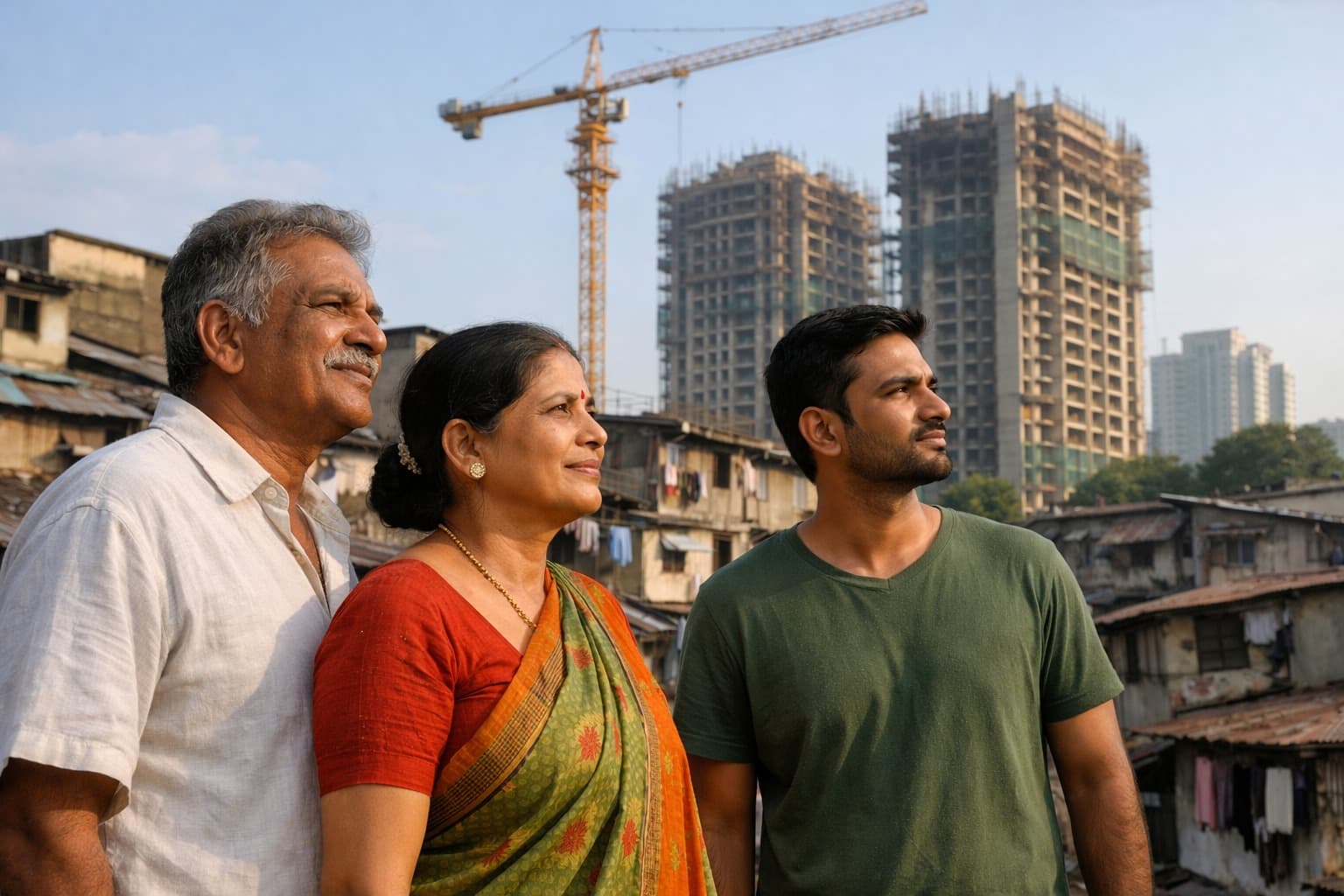
However, developers must conduct Information, Education, and Communication activities. These sessions explain project benefits, timelines, and relocation plans.
In simple terms, residents must be informed and engaged, even if formal consent is not required.
This approach tries to balance legal authority with social responsibility.
Learning from Past Failures
Some of these 26 pockets were already offered in earlier rounds in 2025. But they did not attract enough interest.
Why?
In many cases, projects were financially risky.Some areas had complex ownership records.Others had poor access roads or infrastructure.
Developers were hesitant.
Now, with improved policy clarity and better coordination, BMC hopes that these projects will finally move forward.
This shows that Mumbai slum housing needs patience and continuous policy adjustment.
How This Impacts the Real Estate Market
Slum redevelopment does not only benefit residents. It also reshapes entire neighbourhoods.
When rehabilitation buildings are completed, surrounding property values often improve. Roads get upgraded. Services expand. New retail and offices come up.
For example, redevelopment in Ghatkopar and Chembur has already changed these areas in the last decade.
With these new projects, Ghatkopar slum projects and eastern suburb zones may see further transformation.
Investors and end-users closely watch such developments.
Role of DCPR 2034 and Slum Act
All developers working under this scheme must follow DCPR 2034 and the Maharashtra Slum Act.
These regulations define:
FSI benefitsRehabilitation standardsDeveloper obligationsProject timelines
Without understanding these laws properly, developers cannot execute projects smoothly.
That is why BMC insists on experienced builders.
This legal framework supports Slum rehabilitation housing projects under DCPR 2034.
Challenges That Still Remain
Despite good intentions, slum redevelopment remains difficult.
Some common challenges include:
Delays in shifting residentsDisputes between societiesFunding issuesConstruction delaysPolicy changes
Even well-planned projects sometimes take 8 to 10 years to complete.
So, while this announcement is positive, execution will decide success.
What This Means for Slum Residents
For families living in these pockets, this move brings both hope and uncertainty.
Hope, because they may finally get permanent homes.Uncertainty, because relocation and construction take time.
Many residents worry about temporary accommodation, job access, and schooling during transition.
That is why continuous communication is crucial.
If handled sensitively, these projects can improve thousands of lives.
Why Developers Are Showing Interest Again
Several factors are making these projects more attractive now.
Land scarcity in MumbaiHigh premium housing demandClearer policiesBetter coordinationGrowing redevelopment experience
Together, these factors improve project viability.
This explains renewed interest in Mumbai slum rehabilitation authority projects 2026.
Long-Term Impact on Mumbai’s Urban Landscape
Over the next decade, redevelopment will define Mumbai’s growth more than new land development.
With limited space, vertical growth and renewal of old areas is inevitable.
Projects like these 26 pockets are part of that transition.
If executed properly, they can:
Reduce unsafe housingImprove infrastructureIncrease planned developmentPromote social inclusion
This aligns with broader goals of sustainable urban planning.
Conclusion
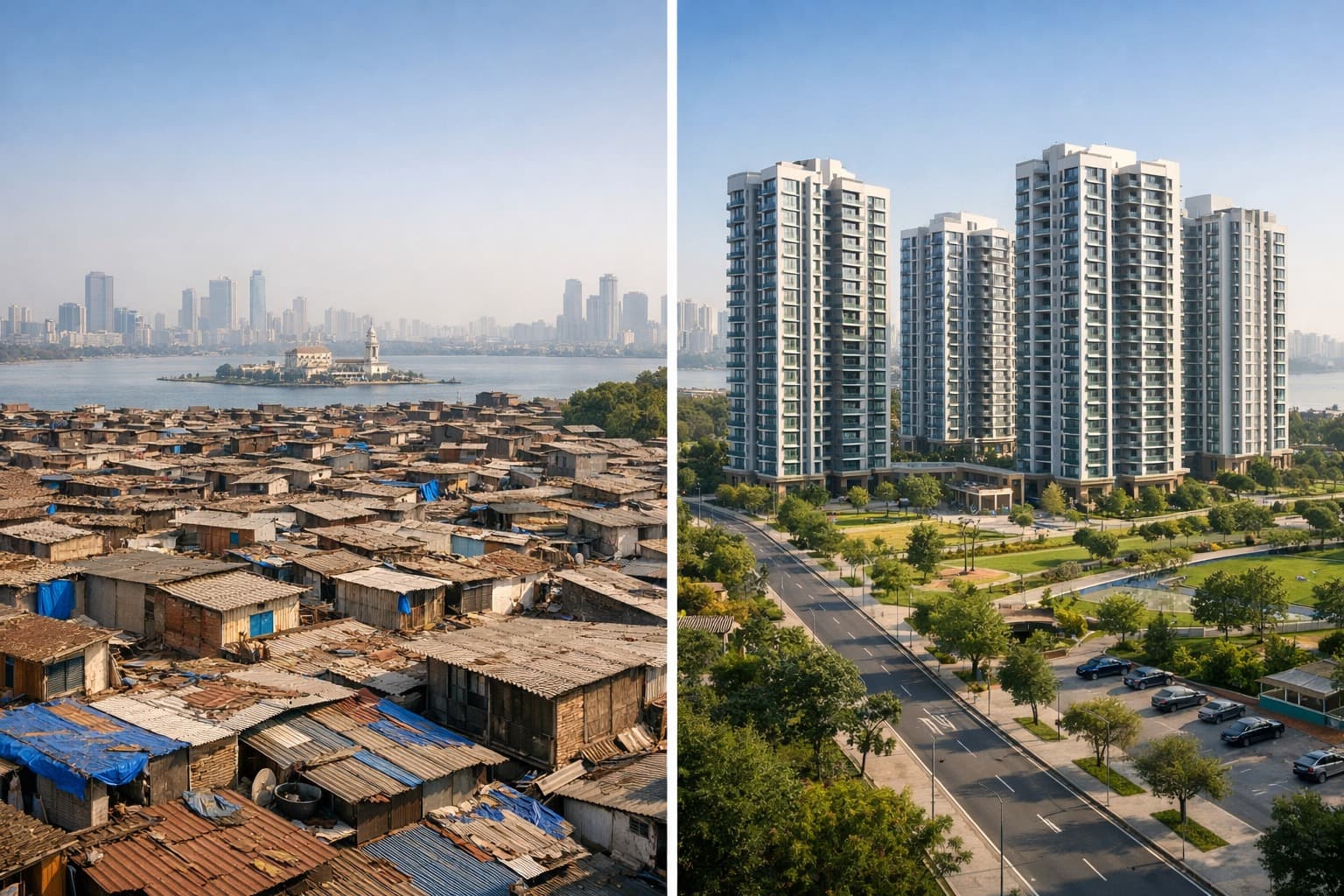
The decision by BMC to open 26 slum pockets for redevelopment is more than just another policy announcement. It is a signal that Mumbai is trying, once again, to address one of its oldest urban challenges.
With strict eligibility rules, structured rehabilitation plans, and stronger coordination, this round has better chances of success.
Still, much depends on execution.
If developers deliver responsibly and authorities monitor closely, these projects can transform areas like Govandi, Chembur, and Ghatkopar into healthier, safer communities.
For now, this step strengthens the foundation of BMC SRA housing redevelopment in Mumbai and keeps the long-term dream of inclusive urban growth alive.
Video will be embedded from: https://www.youtube.com/watch?v=M3_egWlrsfA