
MHADA's Mumbai Housing Scheme: Decoding the Sales Data and Premium Flat Challenges
Summary
MHADA's Mumbai housing scheme saw success with affordable units, but premium flats (Rs 4-8 crore) struggled. Buyers at higher price points favor private developers offering better amenities and value, highlighting the need for MHADA to refine premium pricing and scheme design.

Introduction
MHADA schemes make news most reliably when the lottery draws lakhs of applicants for a few hundred homes. The first-come, first-served format tells a quieter and arguably more honest story about what Mumbai's housing market actually wants at different price points. Of 118 homes offered under this scheme, 64 found buyers. The remaining units, largely in the Rs 4 crore to Rs 8 crore premium bracket, did not. That outcome is not a failure of marketing or timing. It is a data point about where MHADA Mumbai homes pricing logic meets the reality of buyer behaviour in a city where alternatives at that ticket size are abundant and getting better.
How the First-Come, First-Served Scheme Works
MHADA first come first served is a departure from the organisation's traditional lottery model. Instead of registering thousands of applicants and drawing names randomly, the scheme allows eligible buyers to directly select and book available units on a first-arrival basis. It was designed to reduce the wait and uncertainty that the lottery format imposes on genuine buyers who have been trying repeatedly across multiple draws.
The format works well for units priced at levels where demand genuinely outpaces supply and where buyers are motivated to act quickly. It works less well when the pricing sits in a range where the buyer has choices, takes time to compare, and is not under competitive pressure to commit immediately.
What Sold and What Did Not
The 64 units that found buyers under this MHADA housing scheme Mumbai 2026 were predominantly in the more accessible price brackets. Affordable and mid-segment configurations priced below Rs 2 crore moved relatively quickly once the scheme opened. This is consistent with every MHADA data point from the past several years: genuine, urgent demand exists at the lower end of Mumbai's housing price spectrum and buyers in that bracket act decisively when a credible option appears.
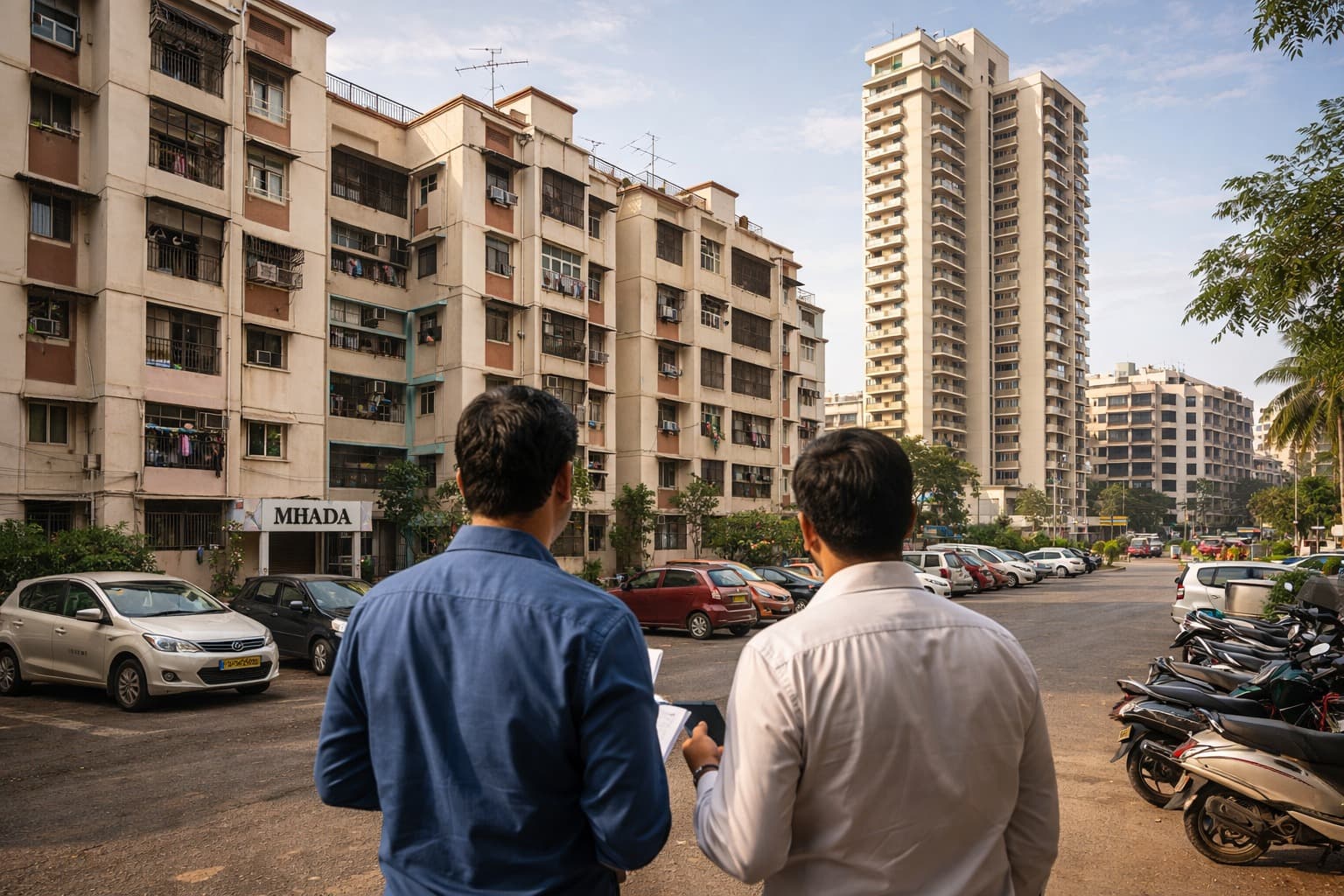
The MHADA premium flats unsold Mumbai story begins above Rs 4 crore. Buyers at this price point are comparing MHADA product against private developer offerings from Oberoi, Godrej, Mahindra, and Lodha in locations across the western suburbs, Thane, and the central corridor. The comparison is not always favourable to MHADA on amenities, finishes, or project-level lifestyle infrastructure.
Why Premium MHADA Flats Face a Tougher Sell
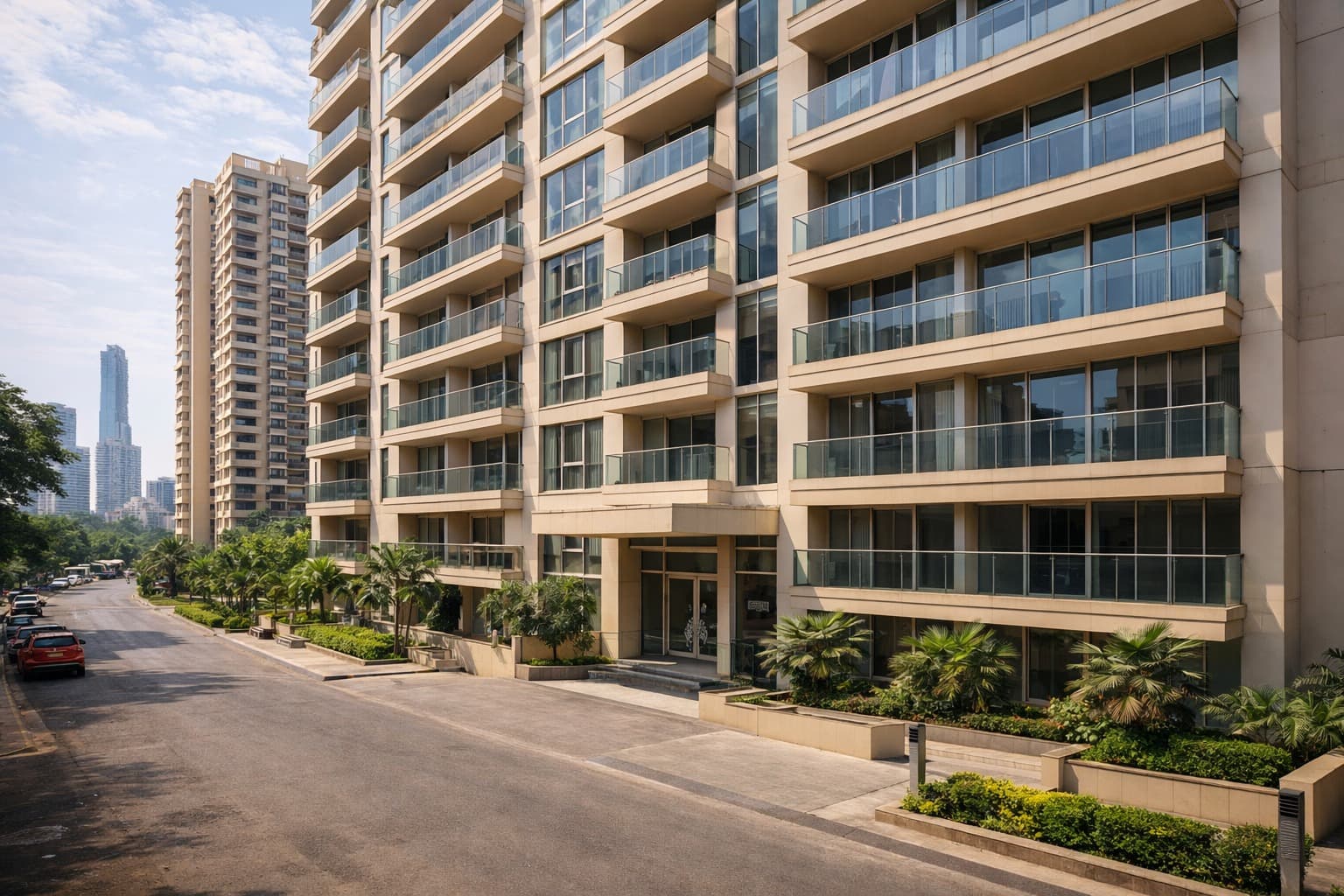
A buyer considering spending Rs 5 crore to Rs 8 crore on a Mumbai apartment has a wide and genuinely competitive menu of options in 2026. Private developers at this ticket size are delivering rooftop amenities, professional facility management, EV charging infrastructure, co-working lounges, and clubhouse specifications that MHADA's construction and management model is not currently designed to match.
MHADA flats Mumbai at the premium end carry the organisation's brand, which is associated with affordable housing and government construction standards rather than the lifestyle aspiration that a Rs 6 crore buyer is typically seeking. This is not a criticism of MHADA. It is a structural reality about what a government housing authority optimised for affordability can credibly deliver at luxury price points.
The Pricing Question Nobody Is Asking Loudly Enough
The unsold premium inventory raises an uncomfortable but important question. If MHADA is pricing flats at Rs 4 crore to Rs 8 crore and they are not selling under a direct purchase scheme, are those prices calibrated correctly for the product being offered? Private developers at similar price points in comparable Mumbai locations are selling faster, which suggests the problem is not the market. The problem is the value equation.
Mumbai affordable housing MHADA has always justified its existence by providing homes at prices below private market rates. When premium MHADA units price into ranges where private alternatives offer superior product at comparable or marginally higher cost, the value proposition erodes and buyers rationally choose the private option.
What This Means for Future MHADA Scheme Design
The 64 out of 118 outcome should inform how MHADA structures future inventory releases. Concentrating first-come, first-served offerings at price points where MHADA's value advantage is clearest, below Rs 2.5 crore in Mumbai's current market, would produce stronger absorption outcomes. Premium units may be better served through a targeted lottery with a smaller, pre-qualified applicant pool that includes buyers specifically seeking MHADA's location advantages over private alternatives.
Location remains MHADA's strongest card. Some of its premium inventory sits in parts of Mumbai where land availability for private development is genuinely scarce. Communicating that location premium more directly, rather than competing on amenity specifications it cannot match, would better serve the premium segment's buyer psychology.
The Broader Mumbai Housing Market Signal
The MHADA first come first served results confirm what private developer sales data has been showing for two years. Affordable and mid-segment housing in Mumbai absorbs quickly when priced correctly and offered through credible channels. The premium segment is active but selective, rewarding product quality, brand credibility, and amenity depth rather than simply address and organisation name.
Summary
MHADA selling 64 of 118 homes under its first-come, first-served scheme tells a segmented story. Affordable units moved. Premium flats priced Rs 4 crore to Rs 8 crore did not, and the reason sits squarely in the value comparison a Rs 5 crore Mumbai buyer makes between MHADA product and private developer alternatives. For MHADA, the lesson is about pricing discipline and scheme design at the premium end. For Mumbai's housing market, it confirms that buyer sophistication at higher ticket sizes is real, consistent, and not going anywhere.
Video will be embedded from: https://www.youtube.com/watch?v=t0ToVYhmtwU